REVIEW · MILAN
Milan: Guided Duomo, Last Supper and City Centre Tour
Book on GetYourGuide →Operated by the tour guy · Bookable on GetYourGuide
Milan hits hard in half a day. This guided route strings together the city’s biggest art moment and its grandest church views, with skip-the-line tickets and an English-speaking guide.
I really like the up-close, limited-entry way you experience The Last Supper inside Santa Maria delle Grazie. I also enjoy how the walk threads through Brera and the Galleria, so you get more than two landmarks and a quick exit.
The trade-off is practical: you’ll do a good amount of walking and you need to follow strict church rules, especially for covered knees and shoulders.
In This Review
- Key takeaways before you go
- Why Santa Maria delle Grazie sets the tone for Milan
- The Last Supper experience: limited time, real closeness
- Galleria Vittorio Emanuele II: the palace-like break in the middle
- Brera and the Sforza Castle zone: where the city feels lived-in
- Duomo square and the Milan Duomo entry: scale you can feel
- Pacing, dress code, and packing rules that actually matter
- Price and value: what $105 gets you in Milan
- Who this tour fits best (and who should consider other options)
- Should you book this guided Milan Duomo and Last Supper tour?
- FAQ
- Where does the tour start?
- How long does this tour take?
- What tickets are included?
- Do I need to bring ID?
- Is Duomo terrace access included?
- Is this tour wheelchair accessible?
Key takeaways before you go
- Skip-the-line access saves your time for the two ticketed highlights.
- Santa Maria delle Grazie is small by design, which helps protect da Vinci’s fragile mural.
- The timing is tight on purpose: about 15 minutes for the Last Supper viewing.
- Most of your time is outdoors, so bring weather-ready layers.
- Expect a story-heavy walk through Brera, with photo stops at Sforza Castle and Teatro alla Scala.
- Guides matter a lot; past tours highlight guides like Maria, Elisa, Jose, Elizabeth, and David for pacing and storytelling.
Why Santa Maria delle Grazie sets the tone for Milan
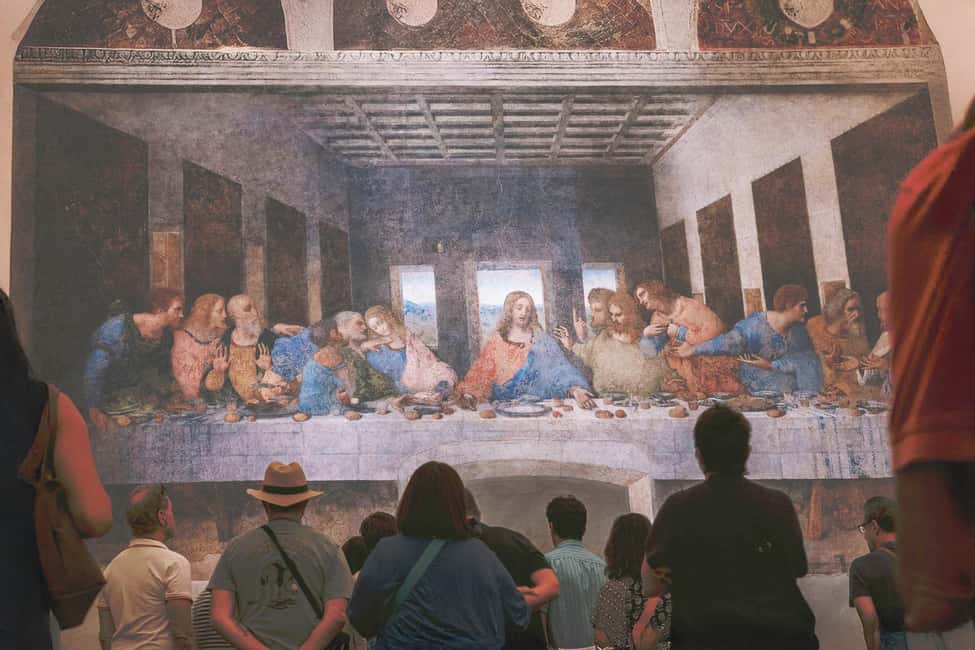
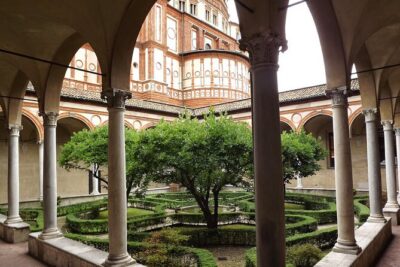
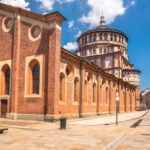
If you only have a half-day, starting with Santa Maria delle Grazie just makes sense. It’s a small, serious space built around one of the world’s most recognizable artworks. Instead of seeing the Last Supper as a distant icon, you experience it in the actual setting it was created for.
I like that the tour doesn’t treat the mural like a quick selfie moment. You’re guided into what you’re looking at—how the painting’s drama works, what’s factual versus what’s folklore, and why the site is so tightly controlled. The result is that you leave with the feeling that you actually understood the moment, not just “checked it off.”
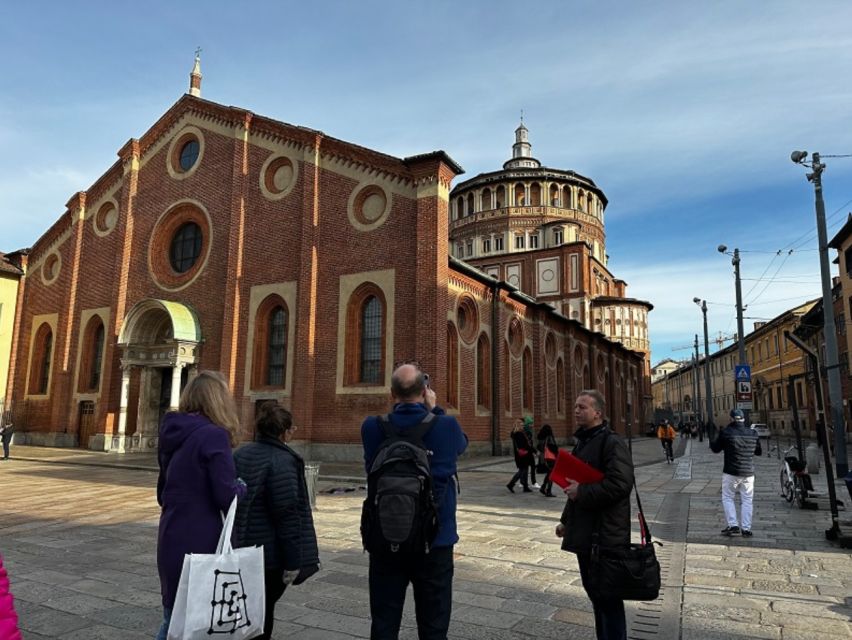
One more practical point: the meeting spot is in front of Santa Maria delle Grazie, and you’ll want to arrive 10 minutes early. That early buffer helps you start on time, which matters when museums and churches run on ticketed entry windows.
You can also read our reviews of more guided tours in Milan
The Last Supper experience: limited time, real closeness
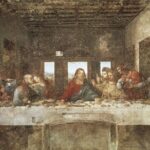
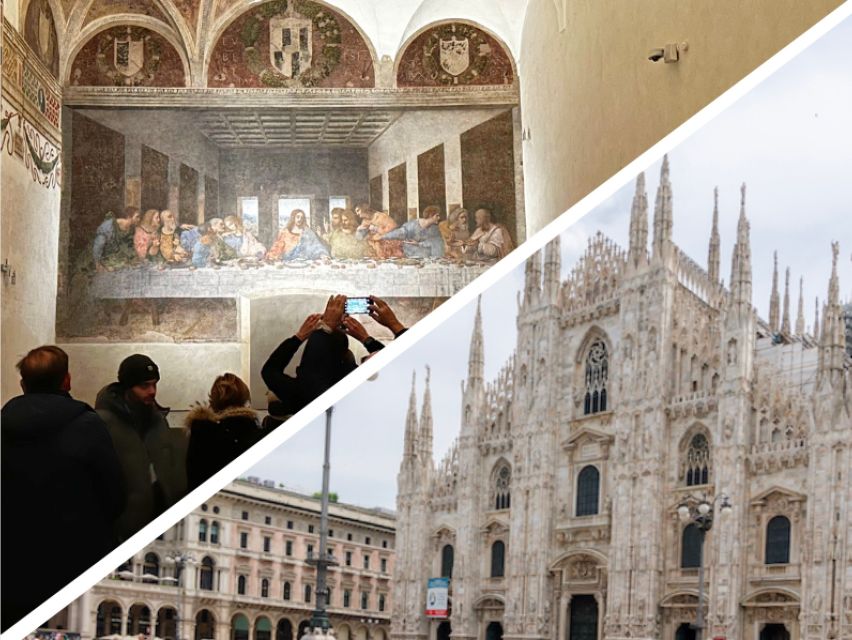
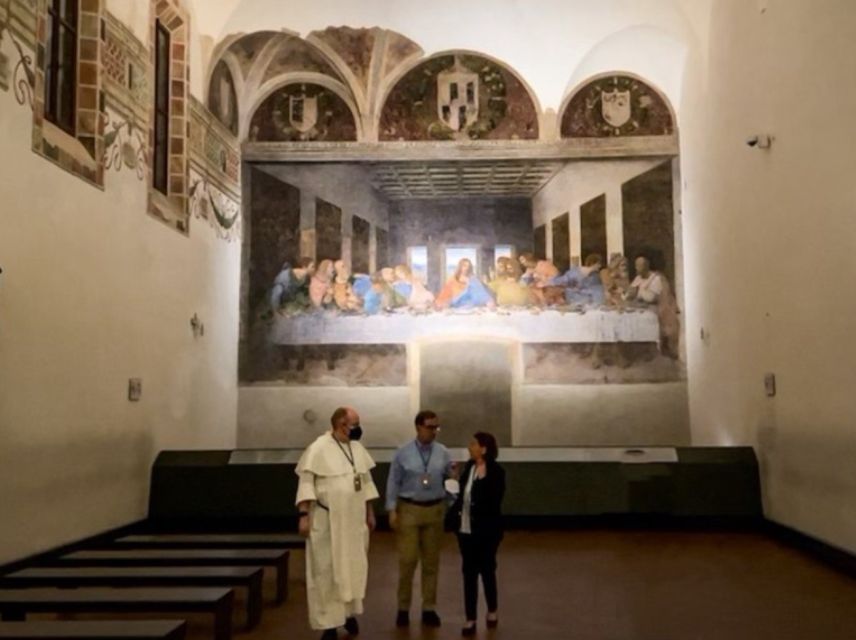
Your time inside is about 15 minutes for the Last Supper viewing. That sounds short, but in this case it works. The church controls access to preserve a fragile mural, so the goal isn’t to linger forever—it’s to give you focused time in front of the painting.
The painting itself is huge: roughly 24 by 30 feet, and you can’t miss how the figures are staged. With a guide’s help, you can notice details you’d likely overlook on your own. Guides also help separate myths from history, which is half the fun with da Vinci—there’s a lot of talk around this piece, and not all of it is true.
A big reason this visit earns strong marks is the intensity of the setting. The church is described as humble and private, and the daily limited attendance helps keep the experience intimate. Past guests specifically praised the closeness and the way guides explained small visual details that change how you read the scene.
If you care about art history, this is your core payoff. If you don’t, the mural still works because it hits you emotionally before your brain can even explain it.
Galleria Vittorio Emanuele II: the palace-like break in the middle
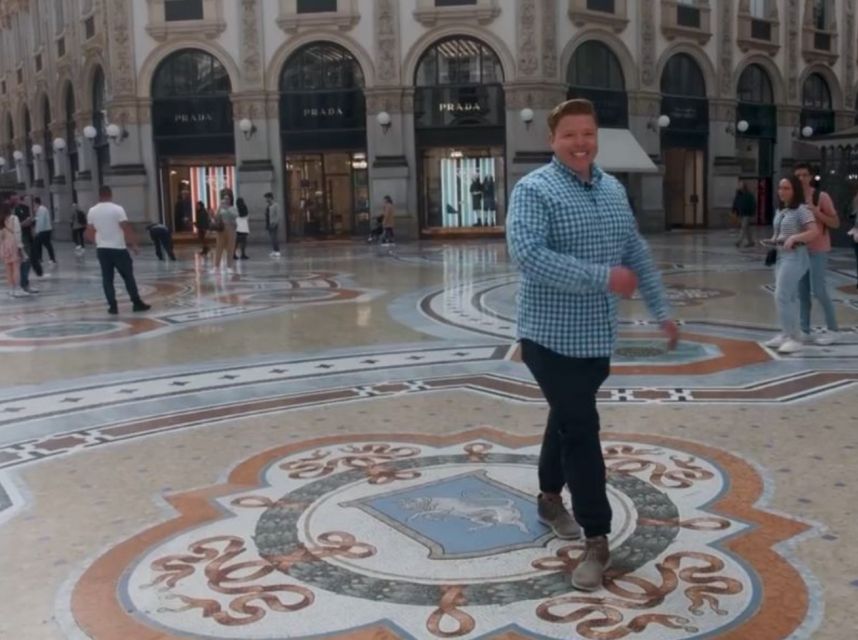
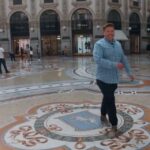
After the church, the walk shifts from sacred quiet to Milan’s high-gloss glamour. The next major stop is the Galleria Vittorio Emanuele II, an old, covered shopping arcade housed in a building that looks like a baroque palace from another century.
This isn’t just a photo stop. It’s a useful palate cleanser after Santa Maria delle Grazie. You step into a different Milan—bright, ornate, and built for strolling. The tour points out the famous luxury brand presence, including names like Gucci, Versace, and Prada, which helps you understand why Milan is so tied to fashion power.
Practical tip: this is also a good spot to pause and reset your expectations for the rest of the walk. Your feet are going to keep moving, so use the Galleria stop to check your pace, grab water if you need it outside the church settings, and get your energy back.
The best part is how the tour uses this moment to keep you oriented. You’re not bouncing randomly between sights—you’re moving through the city’s “why it looks like this” story.
Brera and the Sforza Castle zone: where the city feels lived-in
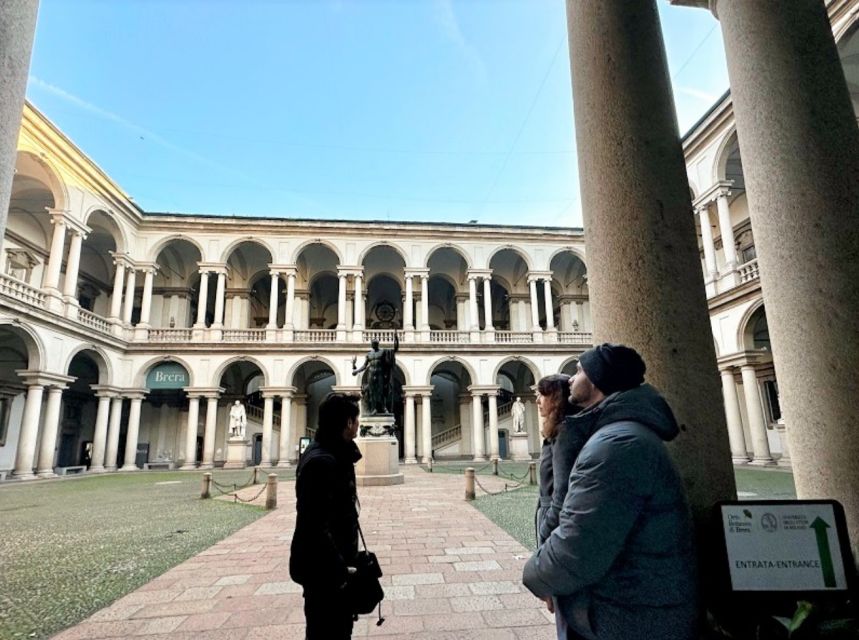
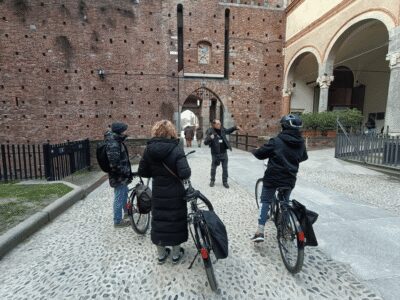
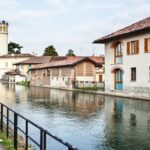
Once you’re done with the Galleria, the tour leans into neighborhood Milan—especially Brera, known for its artistic vibe and historic character. The guide’s job here is important: Brera can feel like just another picturesque area unless someone gives you the map of what you’re seeing.
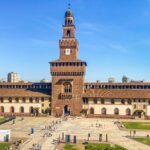
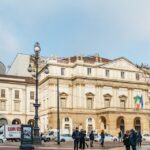
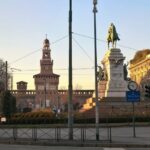
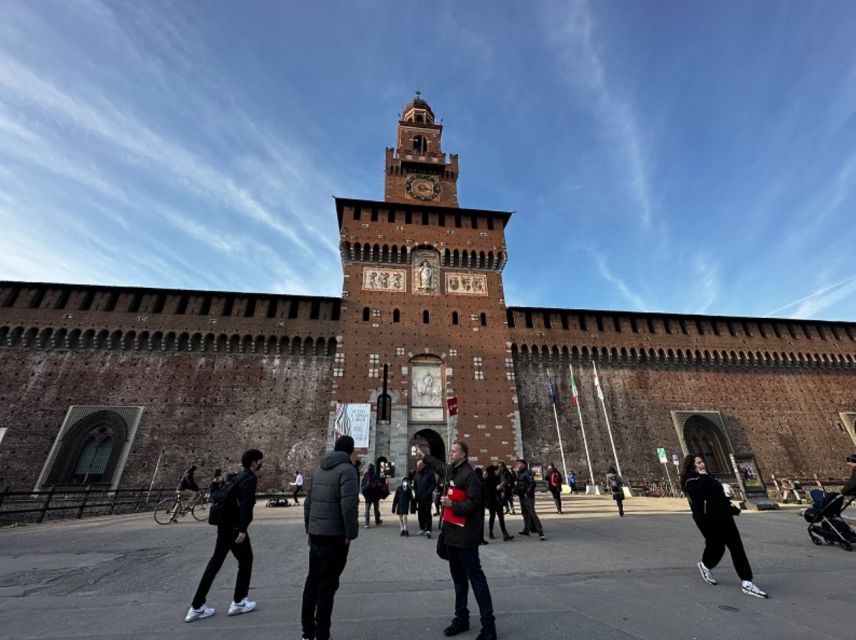
You’ll pass by Sforza Castle (mostly as a photo stop) and the surrounding historic atmosphere. You’ll also get a chance to see Teatro alla Scala from the outside. Even without going inside, the tour treats these as more than landmarks. It frames them as part of Milan’s cultural engine: music, power, and art all packed into a relatively walkable footprint.
In past experiences, guides like Maria and Elisa are praised for balancing story with movement—keeping the pace friendly while still giving you real detail. That matters here because Brera is the portion where your enjoyment depends on whether the walk stays interesting.
Expect streets that reward looking up. As you move through the area, you’ll likely notice small differences in architecture and street layout that show how Milan layered itself over time.
Duomo square and the Milan Duomo entry: scale you can feel
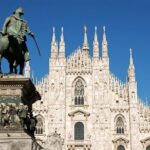
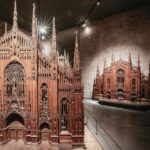
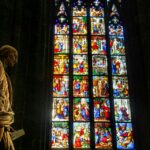
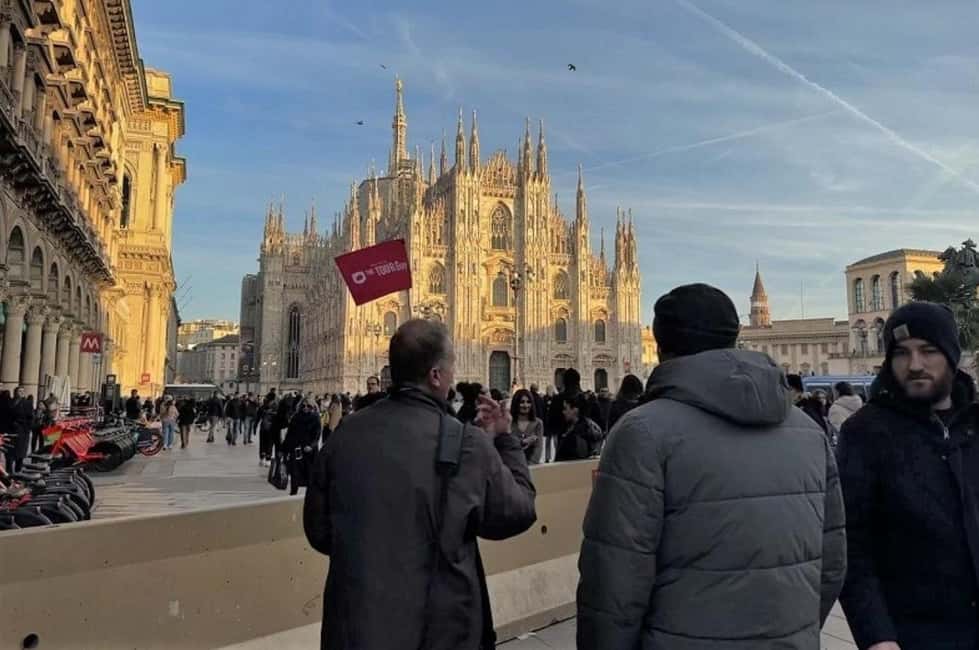
Finally, the tour lands at Piazza del Duomo and goes into the Milan Duomo itself. This is where Milan’s scale becomes obvious. The Duomo is described as even larger than St. Peter’s Basilica in Vatican City and St. Mark’s in Venice. Whether you measure by area, construction footprint, or “how it overwhelms you,” the effect is the same: it’s big, and it’s meant to impress.
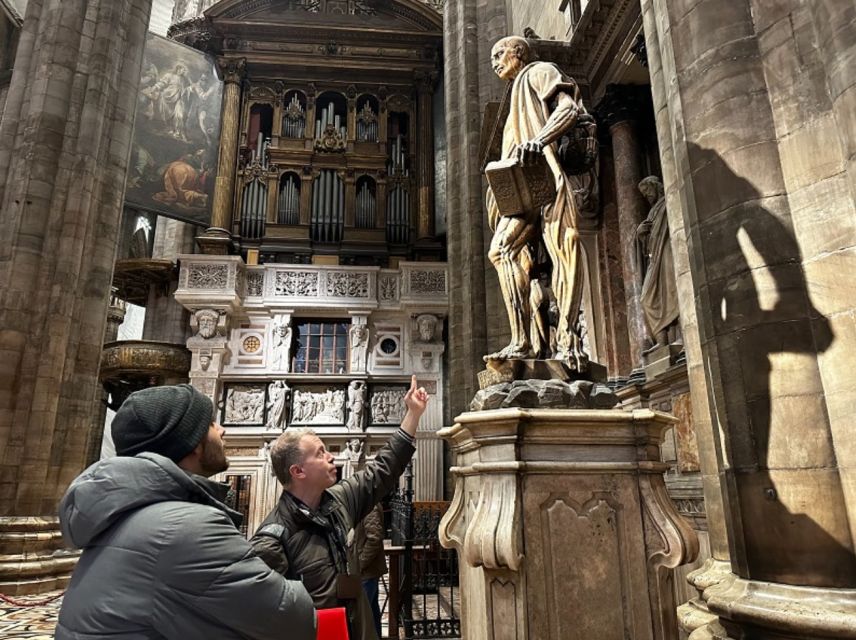
You’ll get a guided visit of about 30 minutes inside the Duomo. That time should be enough to grasp the 600-year story of how the cathedral developed and why it became Milan’s defining monument. The tour emphasizes what made this place central to the city’s identity, not just what the outside looks like.
The Duomo can be a little tricky because your brain wants to sprint from detail to detail. A guide helps you slow down and look at the right things first—big-picture structure, then meaning in the ornamentation. Past guests highlight that the Duomo part is especially worth doing with a guide, since there’s plenty to interpret in a place that looks like stonework everywhere.
One more thing: the Duomo terrace is not included. So if you specifically want skyline views from above, you’ll need a separate plan.
You can also read our reviews of more city tours in Milan
Pacing, dress code, and packing rules that actually matter
This is not a sit-down museum day. It includes a light amount of walking and a lot of time outside—plan around 80% outdoors so you’re ready for sun, wind, or rain.
Bring a normal day pack size if you have one, but note that luggage or large bags aren’t allowed. Also, church rules are strict: inside, your knees and shoulders must be covered. That means no shorts and no sleeveless shirts. Even if it’s warm, you’ll want a light layer that can cover you quickly.
You also need to manage photography rules. You can photograph the Last Supper, but flash photography is not allowed. And you can’t eat inside the church. These rules aren’t meant to be annoying; they help protect the sites and keep the spaces quiet.
For timing, plan to be ready at the meeting point in front of Santa Maria delle Grazie, and hold on to your ID or passport. The tour requires your full name and date of birth to secure tickets, and your ID must match what you book. If there’s a mismatch, security can refuse entry.
If you go in prepared, the experience flows. If you ignore the dress code or ID rules, you risk turning a highlight day into a scramble.
Price and value: what $105 gets you in Milan
At $105 per person, this isn’t a budget bargain. You’re paying for three things that add real value in Milan: a high-demand ticket, a trained guide, and a route that keeps you seeing multiple key sights within one half-day.
First, the big cost is the access. The Last Supper visit has limited entry for preservation, so skip-the-line access is a genuine time-saver. In busy seasons, that kind of access can be the difference between “we’ll try” and “we’re in.”
Second, you’re buying interpretation. The guide doesn’t just point at art; they explain what you’re seeing and help sort myths from facts. That’s especially useful for da Vinci, where misinformation is common and details can easily blur without guidance.
Third, the walking route has value because it stitches together different parts of Milan: Santa Maria delle Grazie, the Galleria, Brera, Sforza Castle area, and the Duomo. You’re not paying just to enter one place—you’re getting a structured way to understand the city.
So yes, $105 is a serious amount. But if your Milan trip is short, this price looks more reasonable as “I’m buying guaranteed access plus an organized story route,” not just “I’m paying for a ticket.”
Who this tour fits best (and who should consider other options)
This tour is a strong match for you if:
- you want the Last Supper and Duomo without spending hours figuring out timed entry on your own
- you like walking with a guide who keeps the pace friendly and talks through what you’re looking at
- you want a quick cultural sweep through central Milan, including Brera and the Galleria
It may be less ideal if:
- you struggle with walking or getting through church spaces quickly
- you need wheelchair access (this tour is not suitable for wheelchair users)
- you can’t follow dress requirements for churches (knees and shoulders covered)
From guest experiences, one consistent theme is guide quality. People mention guides such as Jose, Elizabeth, David, and Katerina Panayotova for engaging delivery, humor, and good pacing. If you’re picky about guides, this is the kind of tour where that choice makes a big difference.
Should you book this guided Milan Duomo and Last Supper tour?
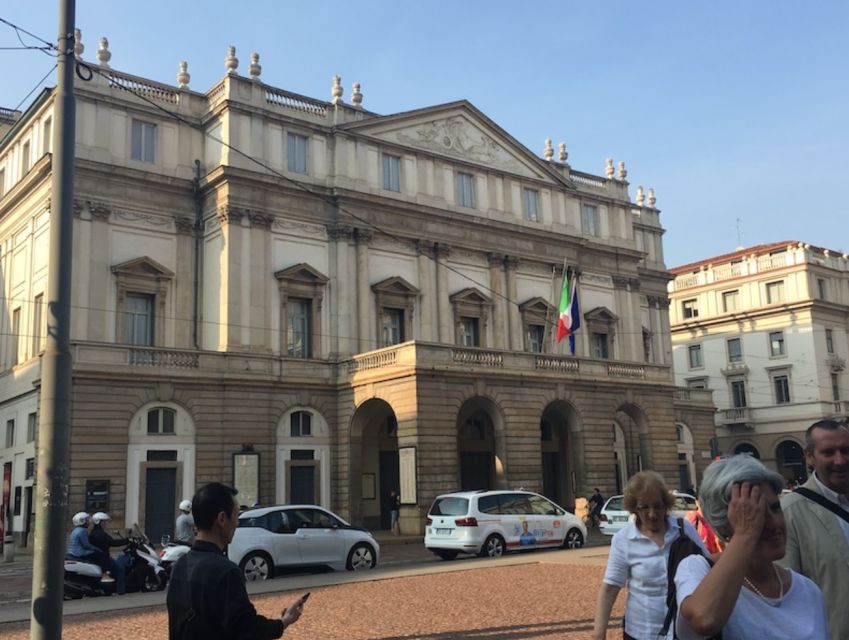
I’d book it if your trip includes the Last Supper and the Duomo and you want a guided plan that protects your time. The biggest reason: this experience combines limited-entry access to da Vinci with a guided route that adds meaning as you walk—Brera, Sforza Castle area, Teatro alla Scala from the outside, and the Galleria.
Skip it only if you hate walking, can’t meet the church dress rules, or specifically want terrace access and don’t want to arrange it separately. Also, if you’re arriving without your ID details matching your booking name and date of birth, wait until you’re sure everything lines up.
For a first-timer in Milan with just a short window, this is a smart way to spend half a day: art first, cathedral last, and a city stroll that stays interesting the whole time.
FAQ
Where does the tour start?
The guide meets you in front of the Church of Santa Maria delle Grazie on Piazza di Santa Maria delle Grazie, holding a The Tour Guy sign. Arrive 10 minutes early.
How long does this tour take?
The duration is listed as 1–3 hours, depending on starting times and ticket availability.
What tickets are included?
Skip-the-line tickets are included for the Last Supper at Santa Maria delle Grazie. Skip-the-line Duomo tickets are included if you choose that option.
Do I need to bring ID?
Yes. You need a passport or ID card. Your full name and date of birth are required when booking so tickets can be secured, and your ID must match what you provided.
Is Duomo terrace access included?
No, the Duomo terrace is not included.
Is this tour wheelchair accessible?
No. It is not suitable for wheelchair users.