REVIEW · MILAN
La Scala Theatre and Museum Tour in Milan With Private Guide
Book on Viator →Operated by Zani Viaggi · Bookable on Viator
La Scala in 60 minutes? Yes, and it’s a very visual way in. You’ll tour Teatro alla Scala with an expert guide and get the kind of access you can’t easily DIY: a guided walk through the theater and museum highlights, plus a stage view that depends on what’s happening that day.
I especially liked the stage-level highlights you’re able to catch—foyer areas, the auditorium perspective from the boxes, and the pit-and-stage storytelling that makes opera feel real instead of untouchable. I also really enjoy the museum side: instruments, costumes, portraits of major names like Verdi and Toscanini, and all the production props that show how much work goes into a performance.
One thing to weigh: La Scala is an active opera house, so your access can change. If a rehearsal or show is in progress, you may not get the full “tour the auditorium” experience you expected, and there’s a strict no-entry rule if you’re late.
In This Review
- Key things to know before you go
- Teatro alla Scala: what this 1-hour tour really feels like
- Stop 1: the theater rooms and the “stage logic” you can’t unsee
- The museum portion: instruments, costumes, portraits, and why it works
- Bookshop time: the best use of a short tour window
- When rehearsals change the plan: how to protect your expectations
- Group size, audio, and the real comfort issues
- Price and value in Milan: is $47-ish worth it?
- Guides and that human factor (Claudia, Alejandro, Stefania)
- Practical tips so your visit goes smoothly
- Should you book this La Scala Theatre and Museum Tour?
- FAQ
- How long is the La Scala Theatre and Museum tour?
- What language is the tour offered in?
- Where do I meet the guide?
- Is admission to the theater and museum included?
- Is the La Scala auditorium visit guaranteed?
- What happens if I’m late?
- What if the tour is canceled due to weather or the minimum number of travelers?
Key things to know before you go
- You’re moving fast: about an hour total, so it’s more “best-of” than “deep study.”
- Auditorium access can shift if there’s a rehearsal or show running.
- Museum is a big part of the tour, not just the theater rooms.
- You’ll hear opera’s backstory through costumes, instruments, and portraits (including Verdi and Toscanini).
- Mobile ticket + strict timing: arrive early or you may not be let in.
- Group format: the experience caps at 25 people, even though the title includes private-guide wording.
Teatro alla Scala: what this 1-hour tour really feels like
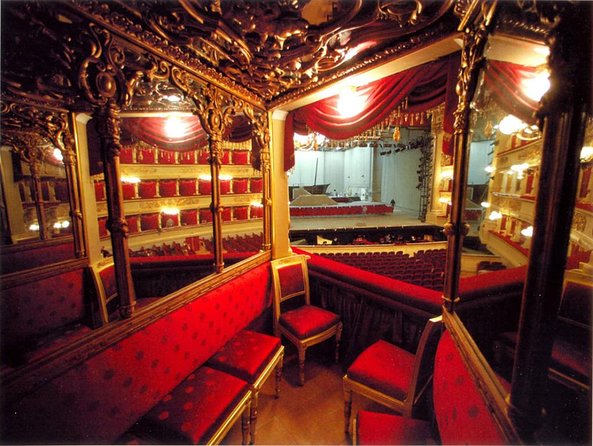
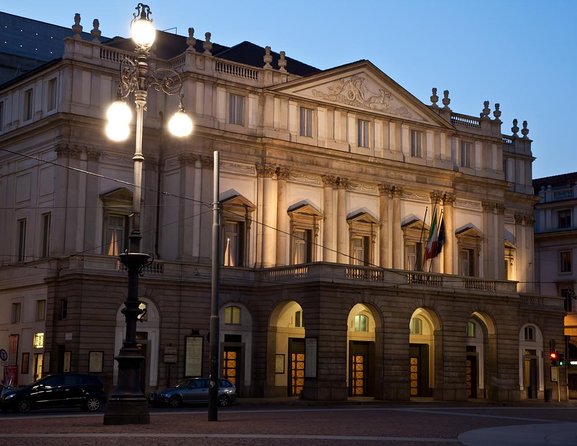
This is a short, high-impact outing. You meet at the Teatro alla Scala Museum (Largo Antonio Ghiringhelli, 1) and then your guide leads you through the theater complex with a clear goal: connect the building to the art form.
In practice, it feels like two blended experiences. First, you get a guided look at the parts of the opera house visitors care about most—places like the auditorium view from the boxes and the classic “how this all works” layout of stage and pit. Then you shift into the museum world, where opera becomes physical. You don’t just hear about famous artists; you see instruments, costumes, and stage-related items that explain what audiences would never notice from their seats.
If you love opera history but also want a photo moment, this tour hits both. If you’re expecting a slow stroll through the building like a stand-alone architecture visit, you might feel rushed.
You can also read our reviews of more guided tours in Milan


Stop 1: the theater rooms and the “stage logic” you can’t unsee
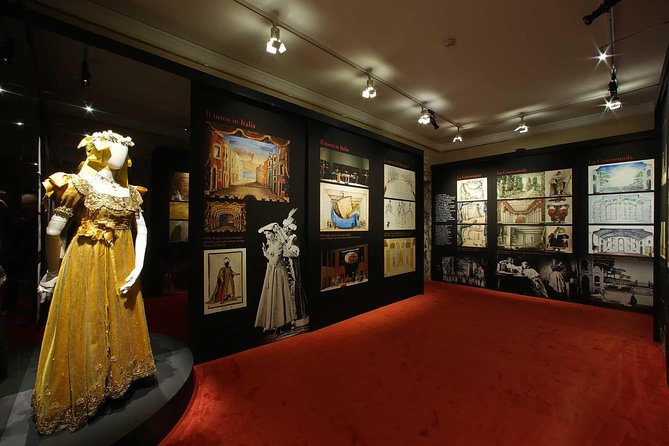
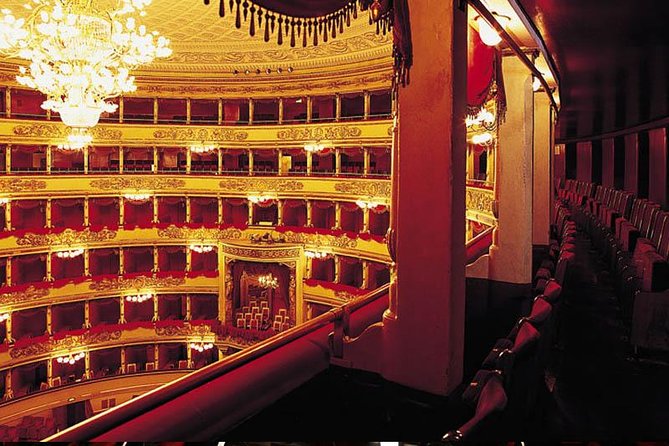
At the start, you focus on Teatro alla Scala itself. The tour includes time in the foyer and the auditorium area, with access that’s meant to help you visualize what opera looks like from inside the machine.
You’ll cover the basics that make the whole building click:
- The auditorium setup and how the boxes work as a viewing and social space.
- The pit orchestra area, which helps you understand what musicians do from your side of the story.
- The stage itself, even if the exact access depends on what’s scheduled.
A real perk is that you can sometimes catch the theater in action. The tour notes that the auditorium visit is guaranteed unless a rehearsal or show is in progress. When something is happening, your guide should provide a voucher for a later time instead of simply canceling—so it’s not a total loss if access changes.
But here’s the honest consideration: if the theater is dark or a rehearsal limits access, you might end up with a more “look from a box” situation than a full walkthrough of the auditorium. That’s why timing matters so much at La Scala, and why showing up on time isn’t just polite—it’s essential.
The museum portion: instruments, costumes, portraits, and why it works
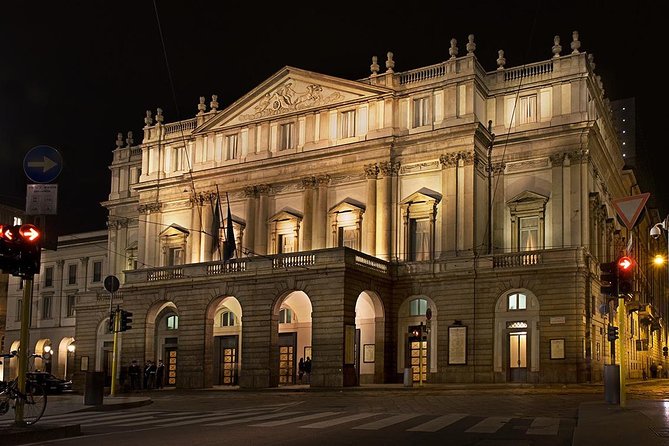
The museum is where this tour earns its reputation for being more than a quick exterior look.
You’ll see an organized collection that translates opera into objects:
- Musical instruments tied to famous performers
- Costumes once worn on stage
- Stage props used in well-known productions
- Painted portraits of major composers and performers
The guide storytelling matters here. Instead of treating exhibits like glass cases, the tour frames them as evidence of how productions evolve. That’s a subtle but important difference: you start to understand opera as labor—fabric, sound, set design, performance tradition—rather than magic.
I also liked the way the tour includes familiar names you can anchor in your head. The museum focus makes names like Giuseppe Verdi and Arturo Toscanini feel less like trivia and more like part of a living creative lineage.
Bookshop time: the best use of a short tour window
One small detail that’s easy to overlook is that you’ll also spend time in the museum bookshop.
In an hour-long format, that’s not filler. It’s your chance to translate what you saw into something you can take home. If you’re even slightly curious, the bookshop setup gives you an immediate next step: pick a composer biography, an opera overview, or a title focused on the figures you saw in portraits and costumes.
If you’re traveling light, you can still use the bookshop like a learning station. Browsing gives you language for what you’ll later hear in a performance—especially if you want to watch Verdi or Toscanini-related works during your Milan stay.
When rehearsals change the plan: how to protect your expectations
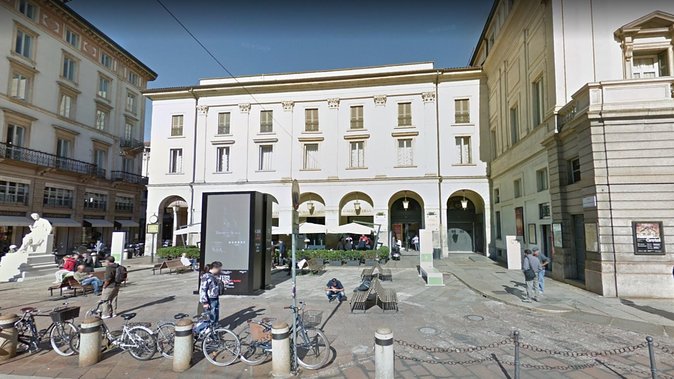
La Scala runs on real schedules—rehearsals, rehearsals for specific productions, and show days. The tour explicitly warns that access to the auditorium is guaranteed unless rehearsal or show is in progress.
Here’s the practical takeaway for you: go in with a flexible mindset. The core of the tour is theater + museum, and the theater portion depends on what’s happening that day. If a rehearsal or show is underway, you might get a limited view rather than a full, uninterrupted “tour the auditorium.”
You can also improve your odds of a memorable theater moment by being punctual and calm. One strict note in the details: if you’re late, entry is absolutely no longer permitted, and there’s no refund. That’s an unusual level of strictness, so plan to arrive early enough that you’re not stressed.
If you’re the type who hates surprises, this tour might still work, but you’ll enjoy it more if you treat it as an opera house experience rather than a guaranteed backstage show.
You can also read our reviews of more private tours in Milan





Group size, audio, and the real comfort issues
This experience is capped at 25 travelers. That means you should not expect whisper-quiet, private pacing.
I’d also plan for the reality of museum flow. Even with a guide who keeps things moving, smaller rooms can get crowded quickly. If you’re sensitive to noise, you may want to mentally prepare for the fact that multiple groups can be present inside the museum galleries at the same time.
Audio is another practical variable. Some people have had trouble hearing the guide when using audio gear, with sound quality issues like buzzing or static. You can’t control that from your side, but you can reduce frustration: stand closer when possible, and if you can’t hear well, politely ask the guide to repeat or move you into a clearer spot (when it’s safe and appropriate to do so).
One more comfort tip: there’s reportedly only one bathroom, and it’s on the third floor. If you’re pairing this with other sights that day, schedule buffer time so you’re not racing the clock.
Price and value in Milan: is $47-ish worth it?
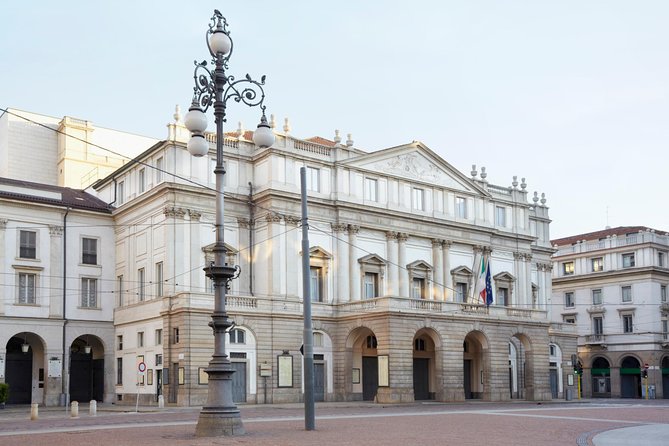
At about $47.63 per person for roughly an hour, the value comes from two places.
First, you’re paying for an organized guide and admission to the theater museum. That matters because La Scala is not just a pretty building—it’s a working production space with rules that most independent visitors can’t easily navigate.
Second, the theater view portion is the “only at La Scala” advantage. Even if access is limited on certain days, you still get a guided interpretation of the spaces, not just the ability to stand somewhere and take photos.
Where the price can feel less satisfying is when your day doesn’t align well with theater access. If rehearsal conditions reduce your time in the main auditorium and the museum becomes the main event, you’ll need to be genuinely interested in costumes, instruments, portraits, and opera production artifacts for the hour to feel worthwhile.
If you’re strictly chasing an auditorium reveal and you’re not that into the museum side, you might prefer another approach (like a plain museum admission or pairing a shorter visit with a separate opera-focused plan). But if you enjoy both opera history and the physical “how it’s made” details, this tour tends to land well.
Guides and that human factor (Claudia, Alejandro, Stefania)
A good guide can make the difference between collecting facts and actually understanding why La Scala matters.
Several guides are named in people’s experiences, including Claudia, Alejandro, and Stefania. The common thread is clear: when the guide is engaging and well paced, the theater stops feel connected, and the museum exhibits stop feeling random.
So how do you use this information as a traveler? Expect variation—and when you meet your guide, take the first minute to check in on what today’s theater access will look like. Ask one simple question if you have it: Is the auditorium visit likely to be full, or will it be box-view style due to rehearsal? A quick clarification helps you settle into the right mindset for the day.
Practical tips so your visit goes smoothly
Here’s how I’d set you up for a strong visit.
- Arrive early. Late entry is a hard no, and that’s a waste of both time and money.
- Wear comfortable shoes. You’ll move through multiple areas in a short window.
- Go in interested in opera production, not only performance. The museum objects are the key to that.
- Bring your phone charger mindset. Lights may be on or off depending on rehearsals, and photo conditions can change fast.
- Use the bookshop wisely. If something catches your eye, decide quickly since the tour time is tight.
And if you’re traveling with mobility needs: one experience mentioned that a guide recognized cane use and offered lift access to reach the upper level of the tour start area. That suggests there may be helpful accommodations, but you should still plan for your own comfort and ask questions early when you arrive.
Should you book this La Scala Theatre and Museum Tour?
Book it if you want:
- A one-hour, guided introduction to La Scala that combines theater perspective with the museum’s production artifacts
- Time with a guide who explains how the building supports opera (stage, pit, boxes)
- A chance to see instruments, costumes, and portraits without having to research every exhibit on your own
Skip or reconsider if you mainly want:
- A guaranteed, full “auditorium walkthrough” in normal lighting with no rehearsal impacts
- A true one-on-one experience. With a cap of 25, it’s guided but not private-only pacing
- A backstage tour feel. This is primarily a theater-and-museum visit, and access can be constrained by active production needs
If you do book, I’d treat it as a smart opera-house orientation. It’s short, it’s focused, and when the theater schedule cooperates, you’ll leave with that rare sense that opera isn’t just something you watch—it’s something you can see the work behind.
FAQ
How long is the La Scala Theatre and Museum tour?
It lasts about 1 hour.
What language is the tour offered in?
The tour is offered in English.
Where do I meet the guide?
You meet at Teatro alla Scala Museum, Largo Antonio Ghiringhelli, 1, 20121 Milano MI, Italy.
Is admission to the theater and museum included?
Yes. Entrance to the Scala Theatre and Museum is included.
Is the La Scala auditorium visit guaranteed?
It’s guaranteed unless a rehearsal or show is in progress. If that happens, your guide provides a voucher to visit the auditorium on the next available date, and no refund is guaranteed.
What happens if I’m late?
If you’re delayed, entry is no longer permitted and it will not be refunded.
What if the tour is canceled due to weather or the minimum number of travelers?
If canceled for those reasons, you’ll be offered a different date or a full refund.