REVIEW · MILAN
Experience Da Vinci’s Last Supper: Tickets & Guided Tour
Book on Viator →Operated by Leonardo's Last Supper tickets · Bookable on Viator
The Last Supper is one of Europe’s most intense sights. This guided ticket combo helps you see Leonardo’s fresco in the right way, with timed access and a guide who turns a 15-minute viewing into real understanding.
I love that you get headsets, so you can actually follow the explanations while you’re inside and around the church. I also like the small-group feel (up to 15), which makes it easier to ask questions and hear the story without shouting over the crowd.
One drawback to plan around: your time in front of the fresco is short, and sometimes the experience shifts based on rules or closures (like the first Sunday of the month), so you’ll want to be flexible.
In This Review
- Key highlights to know before you go
- Why Milan’s Last Supper experience is built around a clock
- Meeting at Piazza Santa Maria delle Grazie: the easy way to find your guide
- Il Cenacolo stop: 15 minutes in front of the fresco, and how the guide makes it click
- Santa Maria delle Grazie: from Bramante-era renovations to the cloister calm
- Headsets and small groups: hearing every detail without the noise problem
- Price and value: what you pay for at $113.30
- Timing surprises: time changes, strikes, and the first Sunday rule
- Who should book this tour (and who might not)
- After the tour: staying sane when sessions end at once
- Should you book this guided Last Supper + Santa Maria delle Grazie?
- FAQ
- How long is the tour?
- Where do we meet for the tour?
- Is the tour in English?
- Does the tour include tickets to the Last Supper?
- Will I be able to hear the guide?
- Is there a dress code?
- Is the tour suitable for children?
- Can I cancel for a full refund?
Key highlights to know before you go
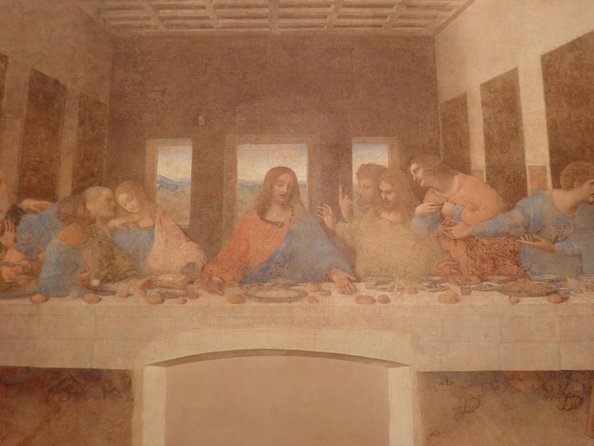
- Timed entry that gets you into Il Cenacolo without the usual scramble
- Headsets for clear guidance, even when the room is busy
- A true art-focused guide who explains composition, light/dark contrasts, and the apostles’ emotion
- Santa Maria delle Grazie included, from 15th-century roots to later renovations
- Guided viewing plus extra church time, including cloister areas and garden-courtyard passages
Why Milan’s Last Supper experience is built around a clock
The Last Supper at Santa Maria delle Grazie doesn’t work like a normal museum stop where you wander freely. It’s managed with timed entry, which is partly about preservation and partly about controlling visitor flow inside a fragile environment.
That timing shapes the whole tour. You’re typically given a short window to actually stand in front of Leonardo’s masterpiece. The best value here is not the minutes alone—it’s what you learn before and while you look. When you understand the painting’s setup, the short time feels sharper, not rushed.
Also, know that the fresco has survived a lot. It’s famous not only for Leonardo’s technique, but for how it endured neglect over centuries and the bombing campaign in World War II. That context changes the tone of what you’re seeing.
You can also read our reviews of more tours and experiences in Milan
Meeting at Piazza Santa Maria delle Grazie: the easy way to find your guide
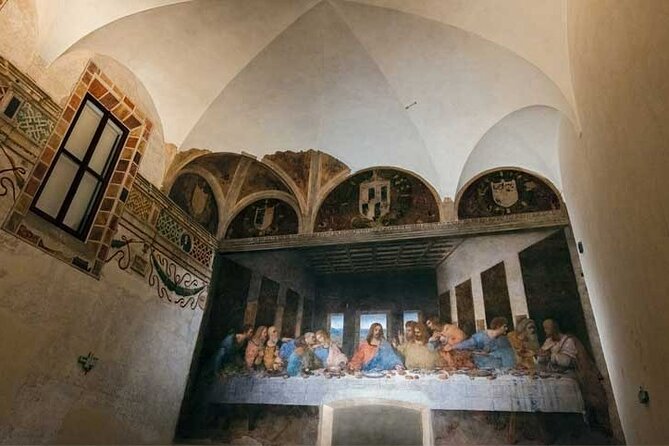
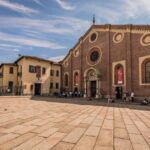
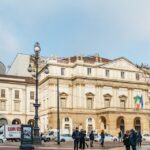
The meeting point is at the entrance area for the Last Supper complex, centered around Piazza Santa Maria delle Grazie. Since this is a guided experience tied to a strict entry slot, you want a calm arrival.
Here’s what helps in real life:
- Arrive early enough to get oriented and find the guide before your start time. I’d plan for at least 20–30 minutes.
- Bring your mobile ticket and keep it ready.
- Dress like you’re entering a church: casual is fine, but skip shorts, t-shirts, and ripped jeans.
If you’re in a small group, you may get a more personal pace. People have mentioned guides like Ester and Maria Grazia as particularly strong at meeting the group quickly and leading you to the best viewing spots.
Il Cenacolo stop: 15 minutes in front of the fresco, and how the guide makes it click
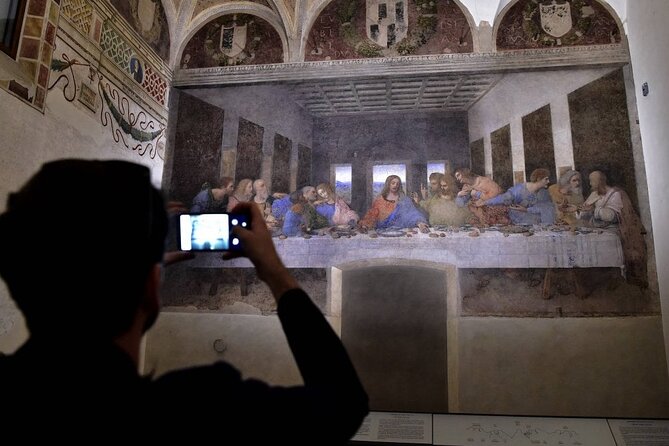
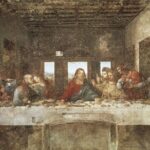
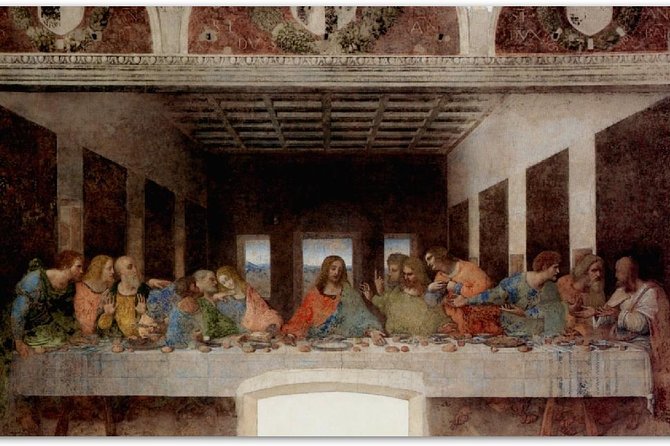
Your tour starts at Il Cenacolo, in the wall space where Leonardo’s Last Supper sits at the end of the refectory from the 15th-century Dominican monastery. The building itself matters: the fresco is designed for a specific viewpoint and a specific kind of looking—like it belongs to the act of eating and reflection.
In the short viewing window, the guide’s job is to help you see what most people miss when they rush in. You’re usually guided to understand:
- the symmetry of the composition and how it organizes the scene
- the way light and dark are used to focus attention
- the subtle differences in how each apostle reacts, versus Jesus at the center
One of the most striking parts is the contrast between motion and apparent stillness. The apostles’ emotion shows up in gestures, movement, and facial expression. Jesus dominates the center, and that contrast is part of why the painting still hits hard even if you’ve seen photos.
A practical tip: treat the viewing like photography. You don’t need to stare forever—use your first moments to find the right visual rhythm, then let the guide’s cues shape what you notice next. Some guides are known for placing you where you can get the best line of sight for the scene.
Santa Maria delle Grazie: from Bramante-era renovations to the cloister calm
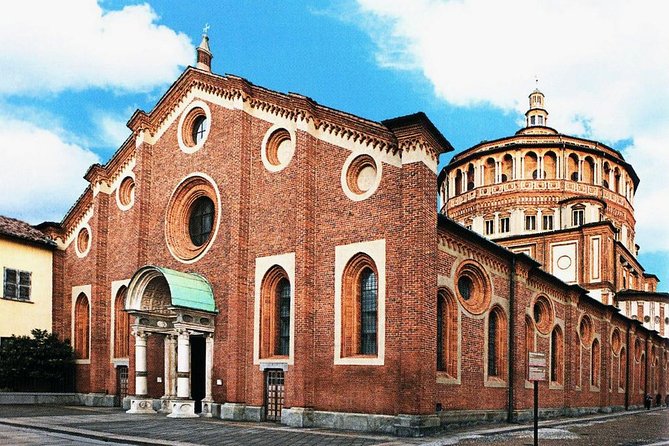
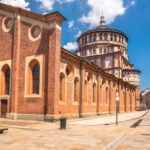
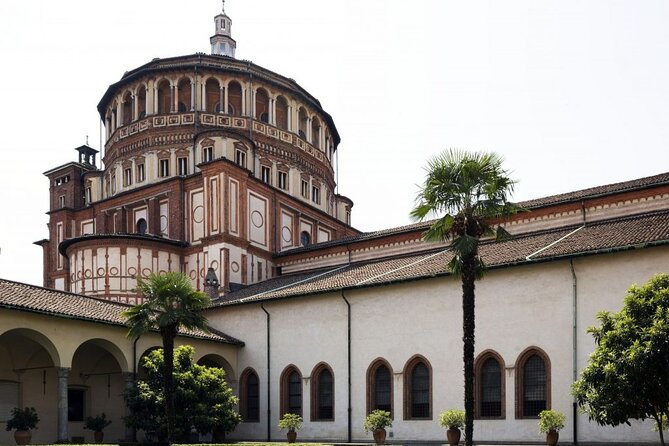
After the fresco viewing, the experience continues into the church: Santa Maria delle Grazie, a UNESCO-listed site with a layered architectural story. This is where the tour becomes more than a single artwork visit.
You’ll trace the building’s evolution from its 15th-century beginnings, and you’ll also hear about later renovations by Bramante. That matters because it’s not just a backdrop. The church’s structure helps explain why this whole setting became such a cultural magnet.
Don’t miss the areas the guide points out, especially:
- the apses
- the refectory spaces connected to the Last Supper area
- the calmer feel of the cloister and courtyard-adjacent walkways
One of the nicest moments is the chance to stroll around the cloister area with its arcades and garden-courtyard feel. In other words, you get a break from staring at a fresco under time pressure. It’s also a helpful way to reset after the emotional punch of the scene.
If you love architecture, this portion is a solid reason to choose a guided ticket instead of just buying entry on your own. Without a guide, you might see the spaces but miss how the different eras connect.
Headsets and small groups: hearing every detail without the noise problem
This tour includes headsets, and that’s a big deal in one of Europe’s most crowded art sites. Even if people are whispering, the room’s energy and echo can make it hard to catch the important stuff.
When you can hear clearly, you can follow the story in real time:
- why the scene is arranged the way it is
- how Leonardo used contrast and composition to guide your eye
- how the painting became a worldwide touchstone
A small group limit (up to 15) also affects the vibe. You’re less likely to get shoved into a human wave, and it’s easier for the guide to check that everyone is hearing and seeing what they’re meant to.
I also like how some guides seem to balance lecture with on-the-ground help. For example, guides such as Maria and Maria Grazia are praised for giving practical viewing advice, not just talking at you.
You can also read our reviews of more guided tours in Milan
Price and value: what you pay for at $113.30
At about $113.30 per person, this isn’t a bargain ticket. The tradeoff is what you’re buying: timed access plus a professional art historian guide plus headset audio.
Here’s the value math in plain terms:
- If you arrive and try to sort out timed entry alone, you may hit sell-outs or complicated entry procedures.
- A timed guided slot reduces stress and turns waiting time into learning time.
- You’re paying for a guide to help you interpret what’s in front of you during the short viewing window.
That said, it can feel pricey if you compare it to booking entry directly. If you’re the type who likes to DIY and you’re confident in planning, you might find you can pay less on your own.
My take: I’d book this if you care about understanding the painting and you want the church portion to feel connected, not like two separate stops. If you only want a quick look and you’re comfortable winging it, you might decide differently.
Timing surprises: time changes, strikes, and the first Sunday rule
You should expect that the schedule isn’t always frozen in stone. In real use, tour start times can change, sometimes with notice, sometimes close enough to make planning annoying. The key move is simple: keep an eye on your confirmation details and any updates right up to departure.
There’s also a seasonal rule that can affect how much guiding happens inside the museum area. On the first Sunday of the month, guides may not be able to enter with groups in the same way. In that case, you may get an explanation outside first, then go in on your own as a group for the actual viewing window.
That doesn’t mean you can’t have an excellent experience—people still highlight the Last Supper as the highlight. But it does mean the tour can feel less guided than you expected. If you’re visiting in a month where the first Sunday matters, it’s worth checking the specifics before you lock your plans.
Finally, closures can happen. There’s at least one scenario where a strike-related issue led to a cancellation of the guided component, even while visitors still appeared able to enter. If this kind of disruption matters to you, plan to stay flexible and have a backup day in mind.
Who should book this tour (and who might not)
This works best if you:
- want English commentary from a professional guide
- want help understanding composition and technique, not just seeing the image
- appreciate hearing context for how and why the fresco became famous
- like walking through church spaces as part of the same experience
It’s less ideal if you:
- hate short timed viewing windows and want longer free time at the artwork
- strongly prefer to control everything yourself (like buying entry directly and wandering)
- are visiting on a date where special rules might change the guiding format
Family note: children must be accompanied by an adult, and it’s not recommended for child aged 5 and under. That likely comes down to the length of the timed experience and the church environment.
After the tour: staying sane when sessions end at once
The Last Supper sessions can finish with a lot of people leaving at similar times. If you’re using taxis, plan extra time—getting a ride back can be harder right after the last viewing slots. Public transportation tends to be the safer bet.
Also, keep your next appointment farther away than you think you need. Not because the tour runs late, but because the surrounding area gets busy and the exit flow can be slow.
Should you book this guided Last Supper + Santa Maria delle Grazie?
I’d book this if your goal is to see the Last Supper with context and make the short viewing window count. The headset setup, the art-focused guide, and the added church visit (apses, refectory-related areas, and cloister/courtyard atmosphere) are the reason the experience feels complete.
Skip it or consider a different plan if:
- you mainly want a quick look at the fresco
- you’re on a date where you may get reduced guiding inside (like the first Sunday rule)
- you’re very cost-sensitive and you’re comfortable buying entry another way
If you do book, you’ll have the smoothest day by arriving early to find your guide, wearing church-appropriate casual clothes, and keeping an eye out for any start-time updates. When the logistics go right, this is exactly the kind of Milan visit where one place teaches you how to see another.
FAQ
How long is the tour?
It runs about 50 minutes to 1 hour.
Where do we meet for the tour?
You meet at the entrance to the Last Supper exhibit near Piazza Santa Maria delle Grazie in Milan.
Is the tour in English?
Yes, it’s offered in English.
Does the tour include tickets to the Last Supper?
Yes. Admission to the Last Supper is included.
Will I be able to hear the guide?
Yes. The tour includes headsets to help you hear clearly.
Is there a dress code?
Casual dress is required, but you should not wear shorts, t-shirts, or ripped jeans.
Is the tour suitable for children?
Children must be accompanied by an adult, and it’s not recommended for children aged 5 and under.
Can I cancel for a full refund?
Yes. You can cancel up to 24 hours in advance for a full refund.