REVIEW · MILAN
The Secret Milan – An Exclusive Stroll Beyond the Beaten Path
Book on Viator →Operated by FollowMI Around · Bookable on Viator
Milan has a quieter side. This small-group stroll takes you past the usual photo stops and into secret corners where you can actually slow down, I love how the guide points out the architecture detail most people miss, and I love the change of pace from fashion palaces to Little Asmara. One possible drawback: it’s a walking tour, so if you hate moving for 2 hours, you’ll want to pick a different style of visit.
You’ll start in a calm pocket near Galleria-era glamour, then work your way through fashion-quarter streets and side courtyards, including the surprisingly peaceful Quadrilatero del Silenzio where real flamingos live. The end in Indro Montanelli Public Gardens is a nice, low-stress finish. Guides like Marco and Simon stand out for being attentive and good at answering questions without rushing you.
In This Review
- Key highlights worth showing up for
- Milan reveals itself in side streets, not set pieces
- Piazza San Fedele: a tiny square with a dramatic twist
- Quadrilatero della Moda (Quad d’Oro): the fashion quarter without the stress
- Quadrilatero del Silenzio: where Art Nouveau meets a real flamingo break
- Porta Venezia: Milan’s open-minded neighborhood life
- Little Asmara and the Indro Montanelli Public Gardens reset
- Price and value: is $102.58 a smart spend?
- Who should book this Secret Milan stroll
- Should you book it?
- FAQ
- How long is the Secret Milan tour?
- Where does the tour start and end?
- Is the tour offered in English?
- Is this a small group or private experience?
- Will I see flamingos?
- Is anything like snacks included?
Key highlights worth showing up for
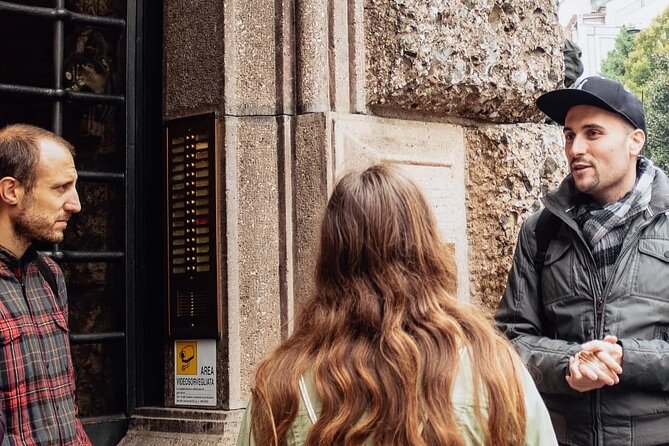
- Piazza San Fedele’s peaceful break under the watch of philosopher Alessandro Manzoni’s statue
- Fashion-quarter palaces without the crowds, including quiet courtyards in the Quadrilatero della Moda area
- Quadrilatero del Silenzio’s flamingos, plus Art Nouveau villas and garden-like calm
- Porta Venezia’s local tempo: parks, cafés, and open-minded street life in a more lived-in Milan
- A full-bodied ending with Indro Montanelli Public Gardens after a stop connected to Little Asmara
Milan reveals itself in side streets, not set pieces
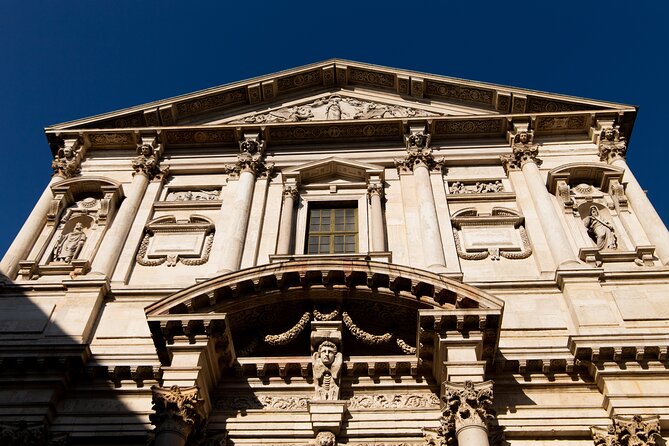
If you only see Milan by hopping from one famous monument to the next, the city can feel like a highlight reel. What I like about this tour is that it treats Milan like a real place people live in. You move at a human pace between distinct neighborhoods, and the guide connects the dots between styles, eras, and street-level details.
The format helps: it’s offered in English, and it’s set up as a private tour for just your group, which usually means more questions answered and fewer “look over there” interruptions. You’re also walking in a late-afternoon slot (start time is 3:00 pm), which matters in Milan. The light is better for architecture, and the city shifts from commuter mode toward evening energy.
One more practical point: you’re paying for a guide-led route and interpretation, not for ticketed attractions. That’s why the price can make sense even if you think you could do some of this yourself. In Milan, the difference is often whether you know what to look at when you’re standing in front of something ordinary-looking.
You can also read our reviews of more tours and experiences in Milan.


Piazza San Fedele: a tiny square with a dramatic twist
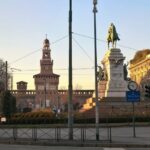
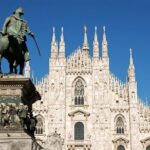
Your walk begins at Piazza San Fedele, tucked between the Galleria area and the fashion district buzz. At first glance, it feels like a pocket of calm. Locals use it as a breather spot—reading, chatting, or just pausing while the rest of central Milan churns.
In the middle is the statue of Alessandro Manzoni, and that’s where the square gets its story. The interesting bit is that this philosopher fell right there in front of the church, and that fall led to his death. It’s one of those details that makes a place feel more layered than it looks. After the story lands, the square feels less like a random stop and more like a moment with weight, even while it stays peaceful.
What to watch for here: look for the statue as your anchor, then notice how the square is arranged around quiet movement—people coming in for a short rest, then drifting back into the city. This isn’t about sightseeing intensity. It’s about where Milan chooses to slow down.
Potential drawback at this stop: because it’s short, you’ll get the idea quickly. If you want a long, sit-and-stare moment with deep background, this tour is more about stitch-in-the-city moments than long lectures.
Quadrilatero della Moda (Quad d’Oro): the fashion quarter without the stress
From Piazza San Fedele, you step into the Quadrilatero della Moda, also known as the Quad d’Oro. This is where Milan’s glamour shows up—shopping windows, historic palaces, and elegant side streets.
But the tour’s approach is the part that’s worth it. Instead of forcing you into the busiest shopfront areas, it’s set up as a leisurely walk through palaces and quieter passages. You get to see the style of the buildings and the planning of the streets without being trapped in the main fashion crush.
What I like about this section is that it helps you understand Milan’s “fashion architecture” concept. The palaces aren’t just backdrops. They’re part of the visual language—how Milan presents wealth, taste, and craft through stone, doorways, and street rhythm.
Practical note: you don’t need special tickets here. Admission is free for the stops described in the experience information. Still, wear shoes that handle a slow walk on uneven pavement. You’ll cover enough ground that comfortable footing matters.
If you love fashion, this stop satisfies. If you don’t, it still works, because the guide’s focus is on how the city looks and why it’s arranged this way.
Quadrilatero del Silenzio: where Art Nouveau meets a real flamingo break
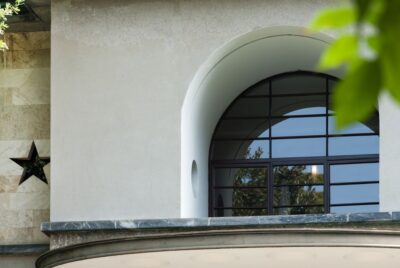
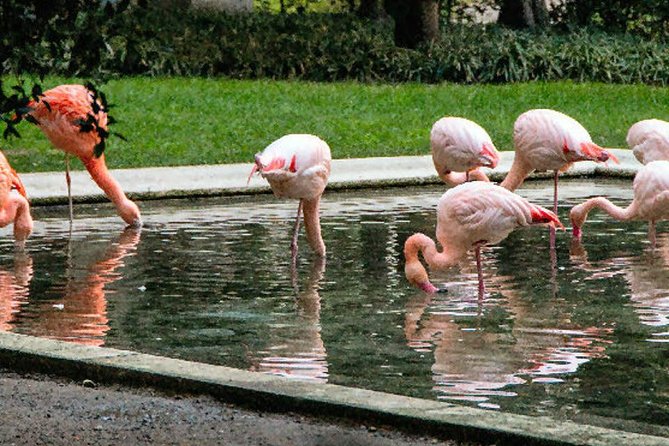
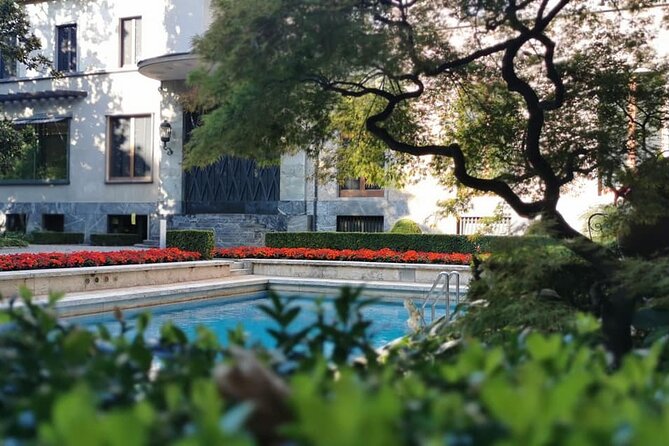
A few steps away from high-end fashion chaos, you arrive at the Quadrilatero del Silenzio, Milan’s quietest surprise. This is the kind of place that makes you grin because it’s so unexpected—Art Nouveau villas, hidden garden-like pockets, and actual flamingos living peacefully.
Yes, real flamingos. That detail is so odd it feels like an urban myth, but it’s part of why this tour gets its strong ratings. It also gives you a fun “tell your friends” moment that doesn’t require a ticket or a reservation.
Here’s the tip that matters: if you don’t spot the flamingos right away—maybe they’re tucked where the photo angles make them hard to see—ask your guide to point them out. In one account, someone couldn’t see what was shown in the promotional photo until they asked, and the guide directed them so they did see the flamingos. That’s exactly the kind of small, human service that makes a guided stroll worth the money.
What to do during the quiet portion: take your time. This is one of the few moments in central Milan where you can let your eyes adjust to softer details—fence lines, villa facades, small stretches of green. And because the area is designed for calm, you get a real contrast with what you just walked through.
Possible drawback: if you’re expecting a full “animal encounter” experience with lots of time, manage expectations. This is a neighborhood stop, not a sanctuary tour. You’ll spend enough time to see the vibe and spot what’s there, but you’re still moving onward.
Porta Venezia: Milan’s open-minded neighborhood life
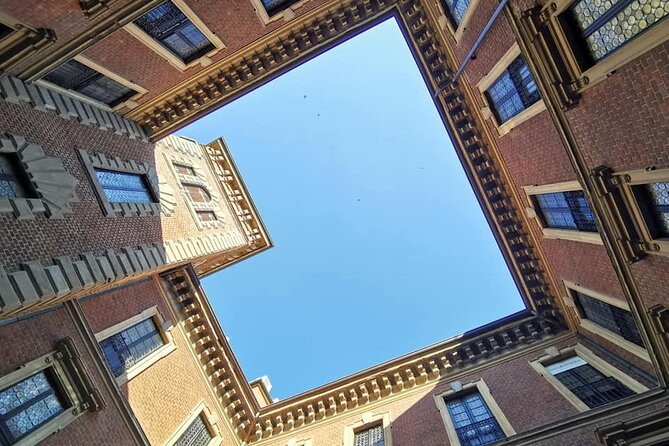
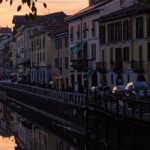
Next comes Porta Venezia, where Milan’s elegance meets a more relaxed, modern street feel. This area is framed by stately 19th-century buildings and grand boulevards, but it doesn’t feel like a museum district. It’s lived in.
What makes Porta Venezia such a good “Milan reality check” is the mix of things happening at once: art nouveau facades, leafy parks, cafés that encourage lingering, vintage shops, and bars with an after-work crowd. It’s the kind of neighborhood where you might see people jogging through Giardini Pubblici in the morning and, later, natural wine conversations that run long.
That neighborhood contrast is exactly why this tour works as more than a checklist walk. You’re not just collecting sights. You’re seeing how Milan shifts from curated glamour to everyday style.
Also, this is a good spot to ask your guide questions about what to do next. Guides often have better “where locals go” guidance than any generic guidebook, and the private-group setup makes it easier to get answers that fit your interests.
A small consideration: since it’s a more active neighborhood, the mood can be busier than the earlier garden-like pauses. If you’re the type who loves quiet above all, mentally treat this section as the city’s pulse before your final calm finish.

Little Asmara and the Indro Montanelli Public Gardens reset
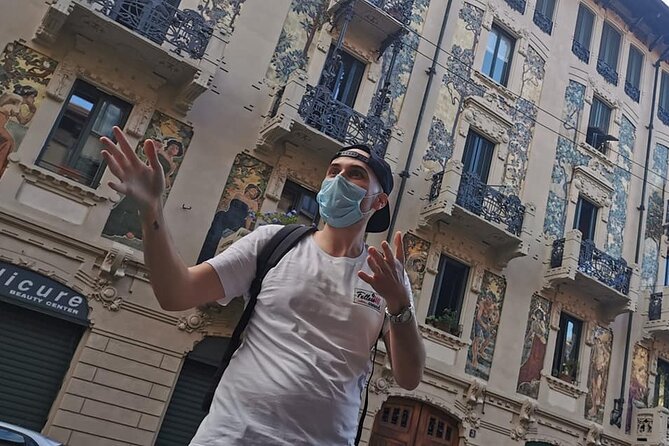
Two of the experience’s highlights point to a satisfying arc: opulent villas and Little Asmara, the Eritrean quarter, followed by a relaxing finish in Indro Montanelli Public Gardens.
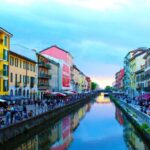
Little Asmara matters because it expands your idea of what Milan is. Milan is often talked about as fashion and design first. This tour nudges you to remember Milan is also a city of communities, food culture, and immigrant histories that live in the streets. Even without getting overly specific about storefront details, the point is clear: you get a glimpse of a neighborhood identity that doesn’t fit the usual postcard narrative.
Then the experience ends with a breather in Indro Montanelli Public Gardens. That’s a smart travel design choice. After walking, you don’t want your last stop to feel like another sprint. Gardens let you decompress, compare notes in your head, and take a slow look at how people behave when they’re off-duty.
If you plan to continue exploring after the tour, this is also useful. You’re not ending at the far side of the city with complicated logistics. You end near Porta Venezia, and you’ll be in an area with plenty of options for food and an easy transition into your evening.
Price and value: is $102.58 a smart spend?
At $102.58 per person for about 2 hours, this isn’t the cheapest way to walk Milan. But it’s priced like an experience where your guide is the main attraction—and in this city, that can be a very good deal.
Here’s what you’re actually buying:
- A guided route through multiple micro-neighborhoods, including places that don’t always advertise themselves loudly.
- Interpretation of architecture and street stories (the Manzoni detail is a good example of how the guide makes you notice what you’d otherwise miss).
- Small-group attention because it’s private for just your group.
- Free access for the stops mentioned (no paid entry listed for the key parts you’ll see).
- A tips map included, which can help if you want to keep exploring afterward.
What you might not get: snacks. That’s not unusual, but if you know you get hungry late in the afternoon, plan ahead with a light bite before the 3:00 pm start or bring something small to eat on your own schedule.
Also, consider timing. The experience is often booked around 48 days in advance on average. That suggests popular days and reliable availability—so if you have fixed plans, don’t wait until the week of.
Mobile ticketing is included, which keeps the start simple. You won’t need to hunt for paper vouchers. And it’s near public transportation, which helps if you want to tailor your day around other sights.
Who should book this Secret Milan stroll
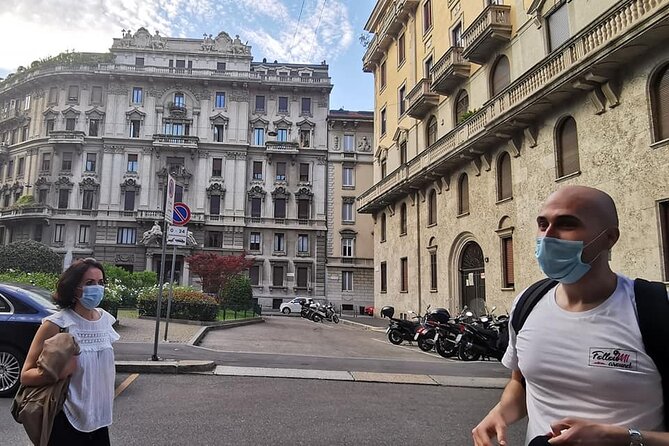
This tour is best for you if:
- You like architecture and city design, not just monuments.
- You want a more personal guide experience instead of a big bus-tour feel.
- You prefer quiet pockets and street-level stories over ticketed attractions.
- You’re curious about Milan’s cultural mix, not only fashion and shopping.
It’s also a nice option if you want variety without over-planning. You get a steady rhythm of stops: calm square, fashion-palace streets, a quiet flamingo corner, Porta Venezia neighborhood life, then gardens to close.
If you’re someone who needs constant motion and lots of major landmarks every few minutes, you may find the pace calm. The best mindset is: slow down, look, ask questions, and let the city’s textures build.
One more note from guide styles described in the experience: some guides have a soft, attentive delivery. That can be great for details, but if you’re hard of hearing or prefer very loud narration, consider that personal preference. You can still ask questions at any point, which helps.
Should you book it?
Book it if you want to see Milan as a lived-in city with story-driven stops, not just famous backdrops. The combination of quiet squares, fashion-quarter architecture, a flamingo stop, a real neighborhood like Porta Venezia, and a relaxing end in Indro Montanelli Public Gardens is a strong mix for the time.
Skip it (or choose something else) if you want a nonstop sprint of major sights, or if walking for about 2 hours sounds like a chore rather than a pleasant way to travel. Also, if your main goal is museum-grade ticketed experiences, this tour is clearly aimed at streets, architecture, and atmosphere.
If your schedule allows, I’d treat it as a “first Milan walk” or a “reset after shopping.” It helps you get your bearings quickly and makes your later independent wandering feel smarter.
FAQ
How long is the Secret Milan tour?
It lasts about 2 hours.
Where does the tour start and end?
It starts at Piazza S. Fedele (20121 Milano MI) at 3:00 pm and ends in Porta Venezia.
Is the tour offered in English?
Yes, it’s offered in English.
Is this a small group or private experience?
It’s private for your group, so only your group participates.
Will I see flamingos?
The tour includes a stop at Quadrilatero del Silenzio, where actual flamingos live. If you do not spot them right away, your guide can help you find them.
Is anything like snacks included?
No. Snacks are not included, though a tips map is provided.