REVIEW · MILAN
Milan: Leonardo da Vinci Museum Guided Tour with Ticket
Book on GetYourGuide →Operated by Keys Of Italy / Milan and Venice · Bookable on GetYourGuide
Leonardo’s machines make science feel like play. This guided tour at Milan’s Leonardo da Vinci Museum brings his inventions to life with recreations based on his own studies, designs, and drawings. You’ll spend about an hour inside the museum, with a live guide and headsets so you can actually hear what matters.
I like two things a lot here. First, you get to see over 40 Leonardo inventions reconstructed as working ideas, not just pictures. Second, the tour isn’t only lecture style—you get time to interact with items tied to Leonardo’s thinking, including equipment linked to defending a city.
One drawback to watch for: language mix-ups can happen. In one reported case, the guide didn’t speak the language that was booked (French), and the promised reimbursement did not arrive. If language is critical for your group, double-check the language selection before you go.
In This Review
- Key Points Before You Go
- Entering The Leonardo da Vinci Museum (And Why This Location Matters)
- Over 40 Recreated Machines Based on Leonardo’s Work
- Leonardo’s Flying Machines: Engineering Principles, Not Just Cool Shapes
- War Machines and City Defense: The Interactive Part That Usually Wins
- Leonardo’s Bizarre Diver-Style Equipment: The Strange Science Moment
- Price and Value: What $149.54 Gets You (And What It Doesn’t)
- Booking Details That Affect Your Experience (Languages, Timing, and Headsets)
- Who This Tour Fits Best in Your Milan Plan
- Should You Book This Leonardo da Vinci Museum Guided Tour?
- FAQ
- How long is the Leonardo da Vinci Museum guided tour?
- Where does the tour start and end?
- What’s included with the ticket?
- What languages are available for the live guide?
- Is this tour private?
- Can I cancel for a full refund?
- Is there a way to reserve without paying immediately?
Key Points Before You Go
- Skip-the-line entry helps you start quickly at the museum
- Headsets make the guide easier to follow, especially in busy rooms
- Recreated machines (40+) connect Leonardo’s ideas to real engineering concepts
- Hands-on defense-related equipment keeps the experience active for kids and adults
- Leonardo’s flying-machine principles get explained in practical terms
- Odd diver-style gear concepts show how strange-but-scientific Leonardo could be
Entering The Leonardo da Vinci Museum (And Why This Location Matters)
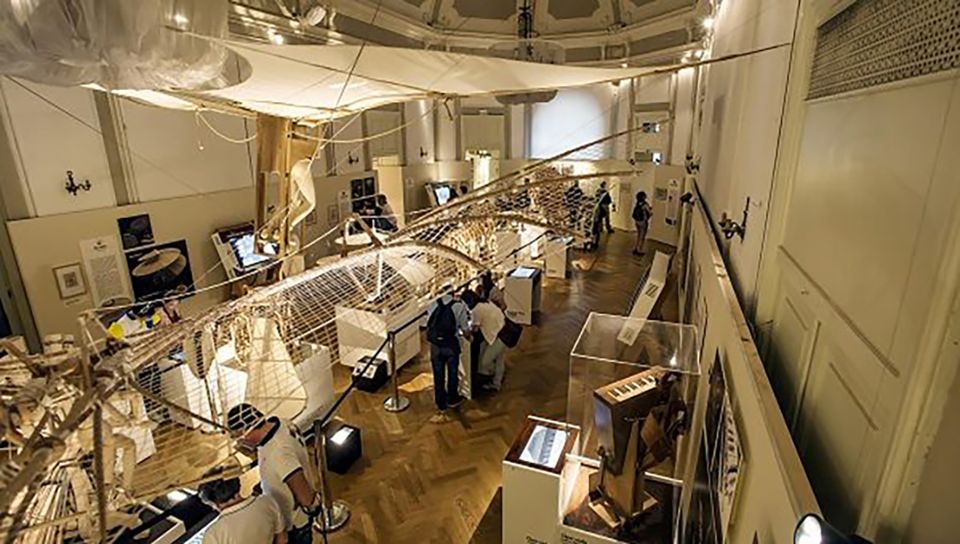
Your tour begins at the Museo Nazionale della Scienza e della Tecnologia Leonardo da Vinci, Via San Vittore 21, 20123 Milano MI. That’s a big deal, because this museum is part science center, part Leonardo-focused experience. You’re not walking into a quiet gallery where the story is just on labels. The setting is built for moving through ideas and making connections.
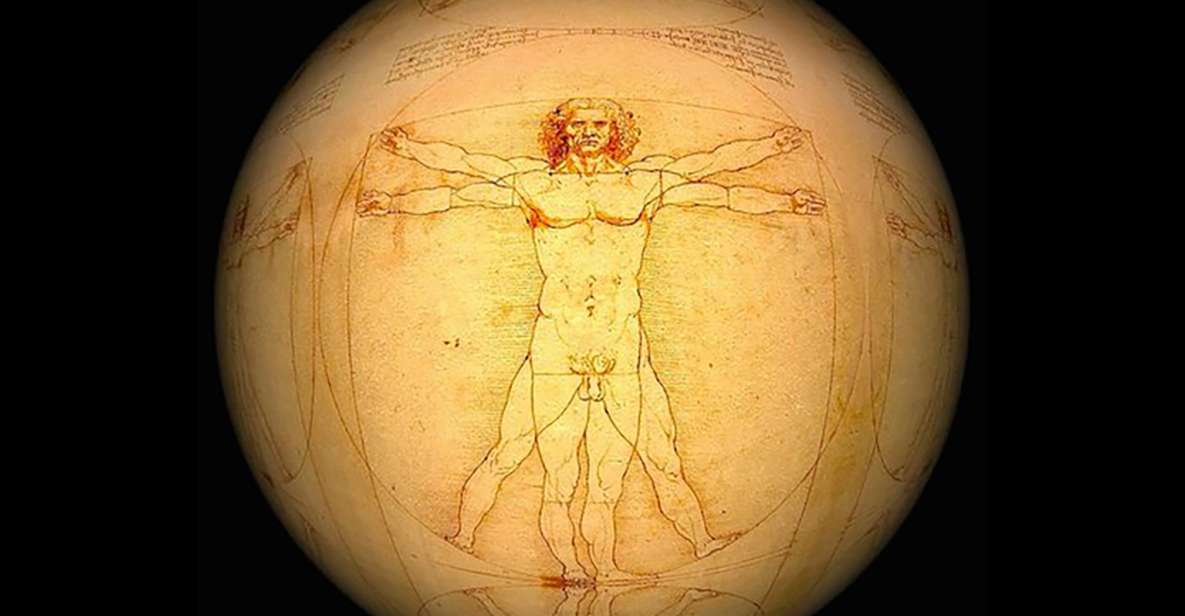
This matters for your visit because it changes how you experience Leonardo. Instead of treating him as a “genius statue,” you see him as an inventor working across art, engineering, and problem-solving. The museum’s theme comes through immediately: Leonardo wasn’t only painting—he acted as architect, urban planner, engineer, military strategist, sculptor, musician, and artist when he was in Milan.
The tour runs for about 1.5 hours, and the museum portion is described as around one hour. In practice, you’ll want to show up a few minutes early so the group can settle in without rushing. If you’re going with kids, arriving early also helps you avoid cranky waiting right before the interactive parts.
Finally, note the tour is private group. That’s great if you want the pace to feel right for your family—though it also means you’ll want to be ready with questions.
You can also read our reviews of more tours and experiences in Milan


Over 40 Recreated Machines Based on Leonardo’s Work
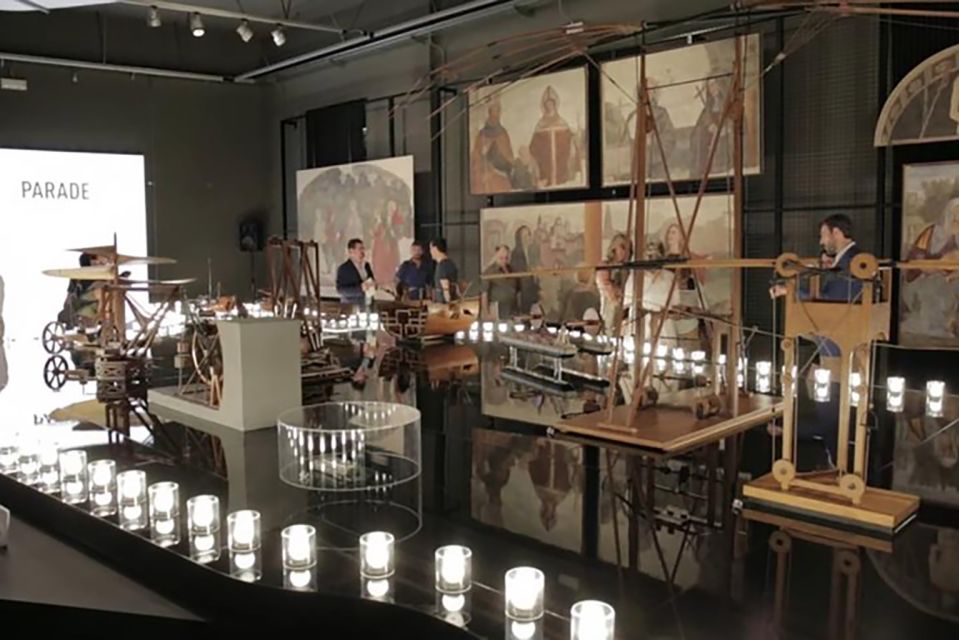
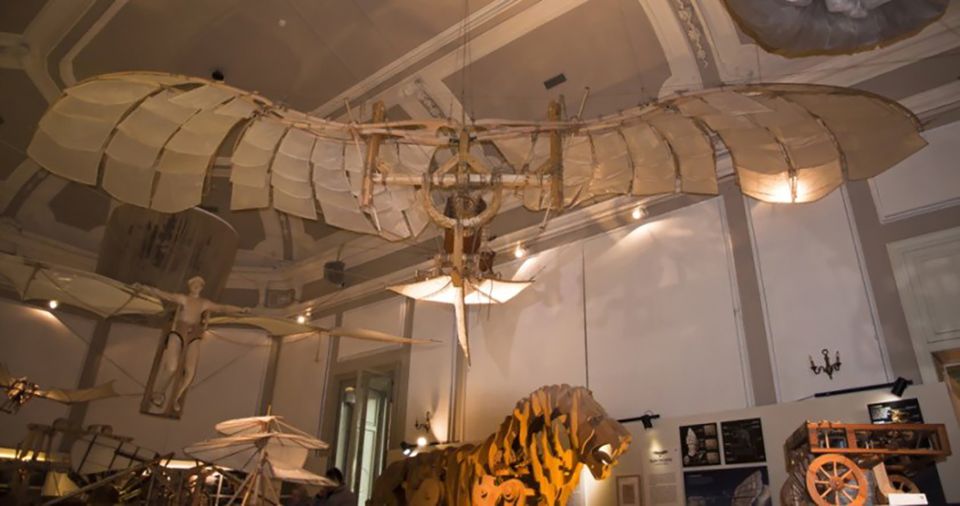
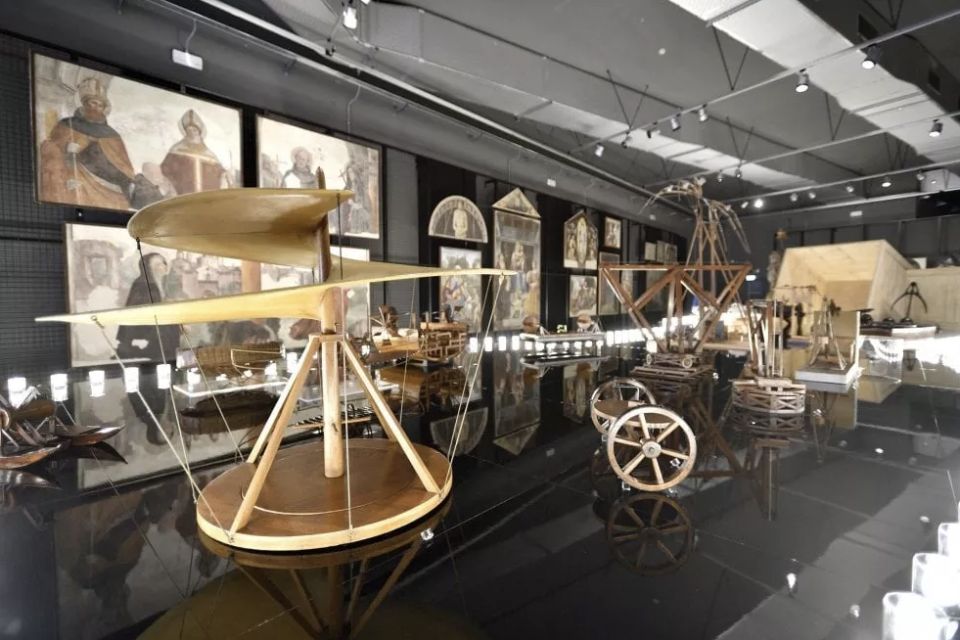
The core promise of this experience is that you’ll see more than 40 machines and inventions recreated from Leonardo’s drawings and scientific studies. That approach is what makes the tour worth it, even if you’ve seen “Leonardo exhibits” before. Many displays stop at the idea. Here, the focus is on the mechanism—how the concept could work.
You can think of this as Leonardo’s thinking made physical. When a machine is rebuilt according to his notes, you can better understand what he was trying to solve. That shifts your mindset from art appreciation to engineering curiosity. You start asking questions like: what problem is this invention trying to solve, and what makes it believable?
If you’re traveling with kids, this is also where the tour earns its keep. Reconstructed machines give you something concrete to point at and explain, rather than asking children to interpret complex drawings. Adults also benefit—because you can follow the logic of his ideas instead of just memorizing facts.
What you should expect: the guide ties the inventions back to Leonardo’s time in Milan and the tasks he was given there. You’ll hear how he worked on multiple fronts—cultural growth, engineering problems, defense concerns, and city-minded planning. That context helps the museum feel less random and more like a snapshot of real work.
Leonardo’s Flying Machines: Engineering Principles, Not Just Cool Shapes
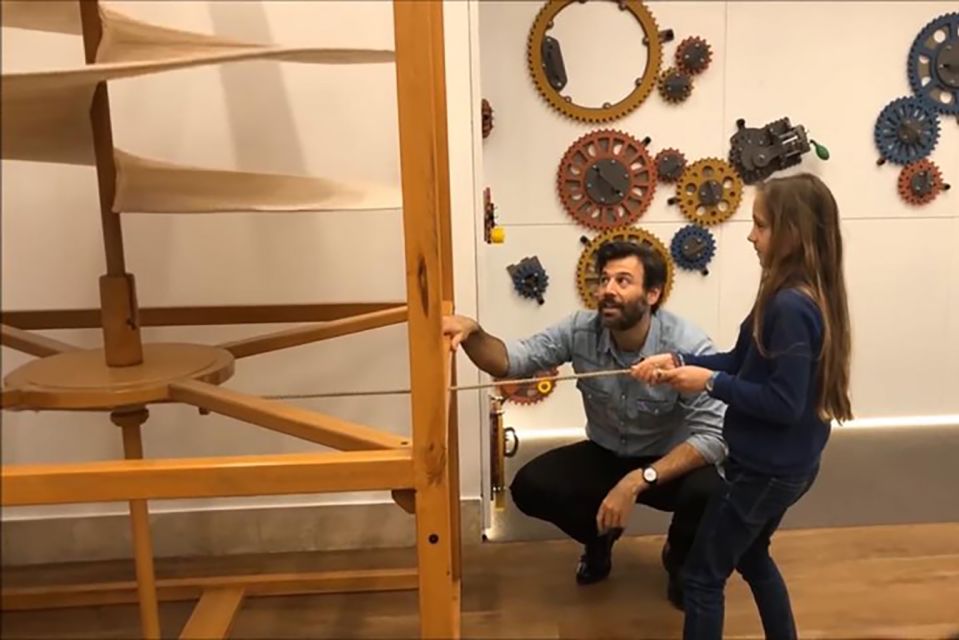
One of the headline moments is understanding the engineering principles behind Leonardo’s flying-machine ideas. The key is that the tour isn’t only about admiring shapes. You’ll get explanations tied to how the concepts connect to real mechanics and motion.
Even without becoming an engineer, you’ll come away with a clearer sense of Leonardo’s method. He didn’t just imagine flight; he studied how bodies move, how air and surfaces might interact, and how designs could be tested as ideas evolve. When a guide frames these inventions with practical engineering language, it turns the “wow” into understanding.
This is also a great stop for parents who want to keep a kid’s attention. Flying ideas are instantly graspable. When you combine that with a guided narrative, it becomes more than a glance-and-move-on exhibit.
A small consideration: the museum covers multiple themes within the tour length, so the flying-machine section may move at a museum pace rather than turning into a long workshop. If you want extra time in this area, plan to stay a little longer on your own after the guided portion (if the museum hours and flow allow).
War Machines and City Defense: The Interactive Part That Usually Wins
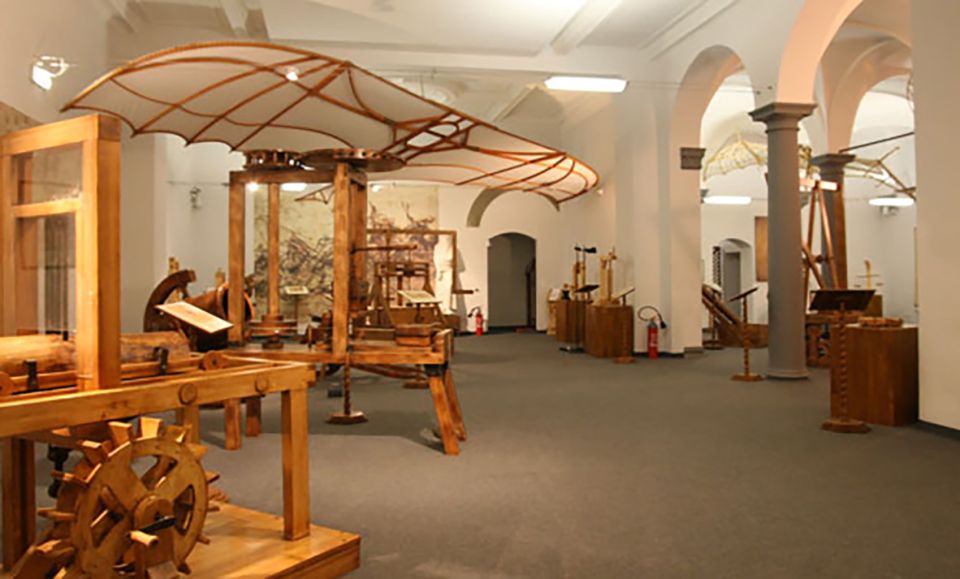
Another highlight is the chance to play with equipment and war machines invented by Leonardo for the defense of the city of Milan. This is the part that tends to feel most “museum-like,” because it’s not passive. You get to engage with items tied to defense concepts and city protection.
Even if your family doesn’t love history lectures, defense-themed inventions tend to keep interest high. The physical props and recreated mechanisms make the conversation easier. You can talk about strategy, engineering constraints, and why certain designs would have mattered. The guide’s job is to connect the toy-like interaction to the thinking behind it.
For kids, this kind of activity does two things. It burns energy. It also turns curiosity into a game: What happens when you move this piece? What does the device try to do? Adults often enjoy this too, because it makes the inventions feel less like museum relics and more like problem-solving tools.
Just be aware of timing. The tour is only 1.5 hours total, and you’ll also want time for the other big themes (flying-machine principles and Leonardo’s diver-style gear concepts). If your group is very hands-on, you may want to focus on the interactive zone that interests you most, rather than trying to play everywhere.
Leonardo’s Bizarre Diver-Style Equipment: The Strange Science Moment
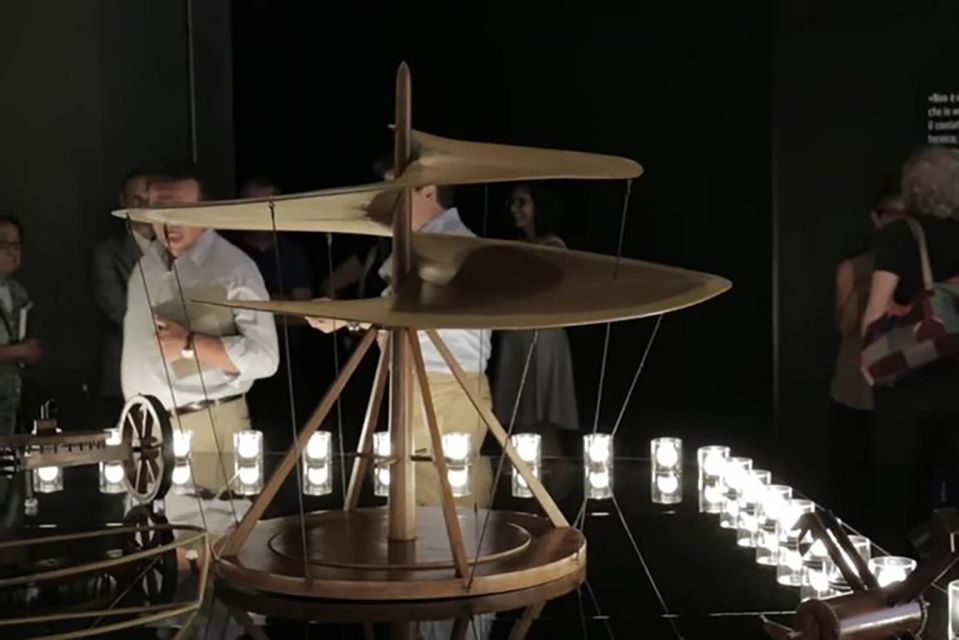
The tour also highlights Leonardo’s imagination through bizarre diver-style equipment. This is the kind of Leonardo detail that reminds you he didn’t treat invention as only practical. He was also drawn to challenging ideas that sounded odd at first—then tried to reason them through.
This stop is valuable because it shows another side of Leonardo: the creative leap plus the attempt to turn it into something technical. Even if you don’t agree with the mechanics (and you shouldn’t expect a modern engineering verdict from a Renaissance concept), the way the guide explains it helps you see how curiosity drives invention.
For families, this is often a “tell me more” moment. For adults, it’s a reminder that Leonardo’s mind wasn’t locked into one category. Art, science, and engineering fed each other.
If you’re the kind of traveler who loves unusual ideas, don’t skip this part. It’s also a good counterbalance if the defense and flight sections feel too technical. The diver-style gear concept tends to feel more imaginative and visually memorable, so it can help the tour feel varied.
You can also read our reviews of more guided tours in Milan





Price and Value: What $149.54 Gets You (And What It Doesn’t)
The price listed is $149.54 per person, with a tour length of about 1.5 hours. Is that expensive? It can be, depending on how you usually travel. But here’s what you get that pushes it toward value.
You’re not just buying an entry ticket. You’re getting:
- museum tickets
- a live guide
- headsets to hear clearly
- skip-the-ticket-line entry
Headsets matter more than you might expect. In a museum environment, sound quality can decide whether a tour feels clear or frustrating. If you’ve ever tried to follow a guide in a loud space, you already know why this is a smart add-on.
Also, the “private group” format affects value. If you’re traveling as a small family or with friends, private guiding can be a better deal than joining a larger group with less personal pacing.
The main thing to consider is tour length versus price. A 1.5-hour experience won’t replace a full self-guided museum afternoon. It’s best seen as an orientation plus the highest-impact interactive stops. If you want to linger at every machine, you’ll likely want more time after the tour.
Booking Details That Affect Your Experience (Languages, Timing, and Headsets)
This guided tour runs multiple starting times, and you’ll need to check availability for the schedule. That matters because you may want to pick a time that works with your day in Milan and also avoids the most crowded museum flow.
The guide can speak Italian, French, English, German, and Spanish, and the tour is described as private group with headsets provided. In theory, that’s exactly what you want: a guide you can follow and technology that makes the audio clear.
Here’s the caution from a reported experience: if you book French, don’t assume the guide will automatically match that language. One issue mentioned was a guide arriving who didn’t speak French as expected, and the reimbursement outcome was not as promised. The practical takeaway is simple: when you book, confirm the selected language in your booking details, and if you need a specific language for comprehension, be ready to address it quickly on arrival.
Group size isn’t specified beyond private group, so if you’re sensitive to crowded conditions, this is still likely to feel calmer than big group tours. Still, museum traffic is museum traffic, so headsets are your safety net.
Who This Tour Fits Best in Your Milan Plan
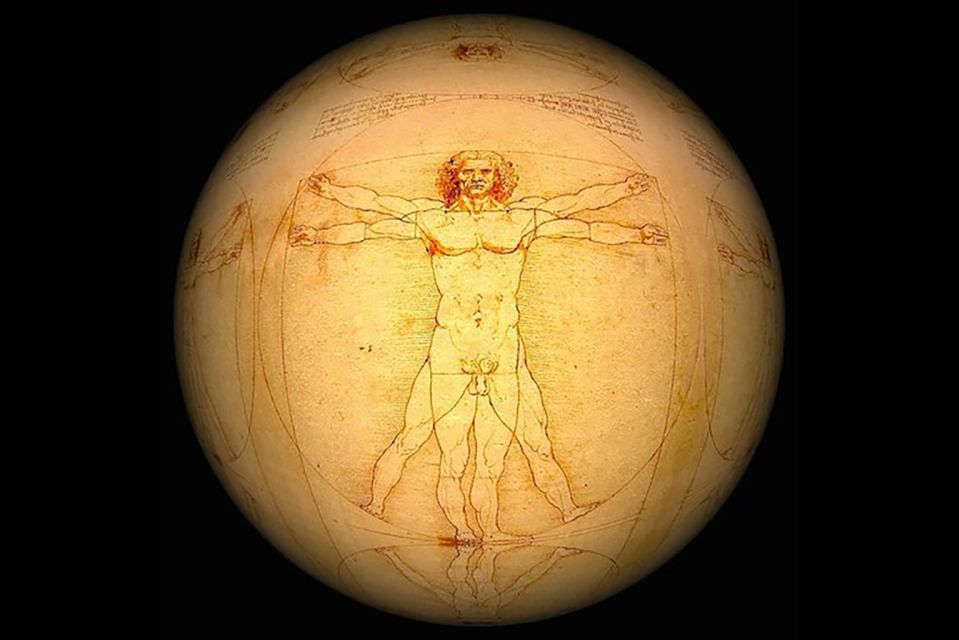
This tour is a strong match if you want a guided “Leonardo greatest hits” style visit. It’s especially ideal for families because the experience includes active, playful interaction with inventions—plus explanations that connect to why the machines mattered in Leonardo’s Milan.
It’s also a good fit if you’re the kind of adult who learns best with a narrative. The guide ties the inventions back to Leonardo’s roles in Milan—architect, planner, engineer, strategist, sculptor, musician, and artist—so you understand why these inventions appear in this museum.
If you’re the type who prefers total freedom and lots of wandering, this may feel tight. Since the tour is only about 1.5 hours, you’ll be guided through major themes and likely won’t stop for long at everything. Think of it as a high-quality way to get meaning fast.
Also, if you need a specific language for your group, treat language selection as a key part of your planning, given the one language-related complaint.
Should You Book This Leonardo da Vinci Museum Guided Tour?
I’d book it if you want the best version of a Leonardo museum visit: reconstructed machines, a guide who explains the concepts, and interactive moments that work for kids and adults. The headsets and skip-the-line entry make it easier to keep your day on schedule, and the private-group format is a plus if you like calmer pacing.
I wouldn’t book it if you’re extremely sensitive to language issues or if you only want a self-paced visit where you can spend long hours in one wing. Also, if your group already plans to read every label and wants zero structure, this may feel like paying for a shortcut.
My practical advice: book it as your guided anchor, then—if your time allows—plan a little extra free time after the tour so you can return to the machines that caught your attention.
FAQ
How long is the Leonardo da Vinci Museum guided tour?
The duration is listed as 1.5 hours, and the visit is described as about one hour inside the museum. Starting times depend on availability.
Where does the tour start and end?
The tour starts at Museo Nazionale della Scienza e della Tecnologia Leonardo da Vinci, Via San Vittore, 21, 20123 Milano MI, Italia. It ends back at the meeting point.
What’s included with the ticket?
Included are museum tickets, a live guide, and headsets to hear the guide clearly. The tour also includes skip-the-ticket-line entry.
What languages are available for the live guide?
The live guide is listed in Italian, French, English, German, and Spanish.
Is this tour private?
Yes. The group type is listed as a private group.
Can I cancel for a full refund?
Yes, free cancellation is offered up to 24 hours in advance for a full refund.
Is there a way to reserve without paying immediately?
Yes. The listing offers reserve now & pay later, so you can book your spot and pay nothing today.