REVIEW · MILAN
Intensive Italian Language Course in Milan
Book on Viator →Operated by Scuola Leonardo da Vinci Milano · Bookable on Viator
Italian gets loud fast. This intensive Italian language course in Milan is built for real practice, with small classes (max 14) and Italian-only instruction from day one. The result is a week that feels focused, not tour-scheduled.
I love that the school keeps the learning tight: four lessons a day, Monday to Friday, and classes mixed by nationality and age so you hear a range of accents and questions. I also like the practical support beyond the classroom, including help with day-to-day needs like SIM cards and navigating Milan, plus guidance for bigger paperwork goals like residency permits and credentialing exams.
One thing to consider: since the course is held only in Italian, you’ll want at least a basic comfort level with speaking. If you’re the type who freezes when you hear nothing but Italian, this may feel like a big jump—though the school does offer multiple levels.
In This Review
- Key things I’d zero in on
- Five days of intensive Italian lessons in Milan
- Italian-only classes: why it works, and when it’s tough
- Small groups (max 14) and teachers who actually engage
- What your weekdays look like (Mon–Fri)
- Cultural activities and weekend practice that goes beyond the classroom
- Milan location: Porta Vigentina, Porta Romana, and easy daily movement
- Levels, textbooks, and what you’re actually paying for
- Price and value: is $365.63 worth it?
- Who this course is best for (and who should think twice)
- A few practical tips to get the most out of the week
- Should you book this intensive Italian course in Milan?
- FAQ
- How many lessons are included each day?
- Is the course taught in English?
- What’s the maximum class size?
- Are textbooks included?
- Where is the meeting point?
- Is the course refundable or changeable after booking?
Key things I’d zero in on
- Max 14 students means you’re not lost in the back row.
- 4 lessons per day, Monday–Friday keeps momentum high.
- Italian-only classroom from day one forces fast progress.
- Textbooks included so you’re not shopping for materials.
- Cultural activities during the week and on weekends give you real chances to use what you learned.
- Staff support for practical life logistics (SIM cards, navigation, even residency/credentialing help) makes the stay easier.
Five days of intensive Italian lessons in Milan
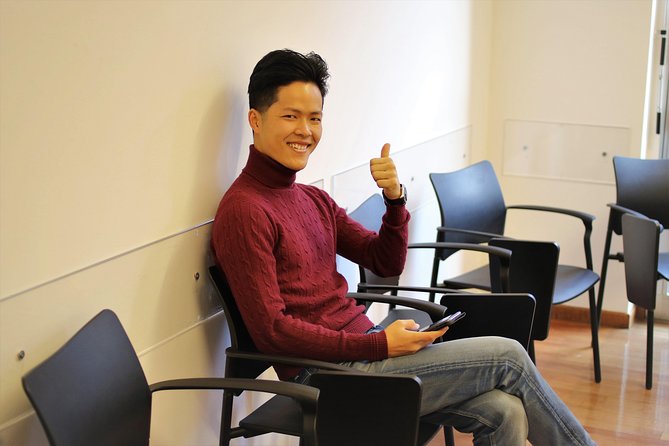
If you want Italian skills that show up quickly, this style of course does exactly that. You’re signing up for a Monday-to-Friday intensive week with four lessons per day, designed to push you from understanding to speaking. No long breaks in the learning rhythm, which matters if you don’t want your week to turn into “I studied… mostly at home.”
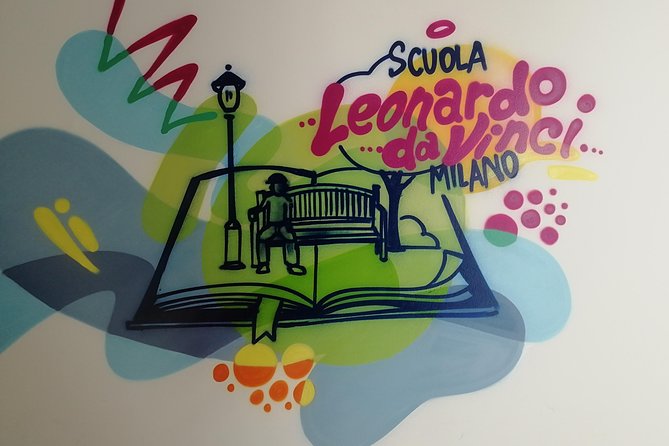
The school is Scuola Leonardo da Vinci Milano, and the course starts at Corso di Porta Vigentina, 35 (20122 Milan). The good news is that the meeting point is near major public transportation, so you can live your Milan days without turning every commute into a puzzle.
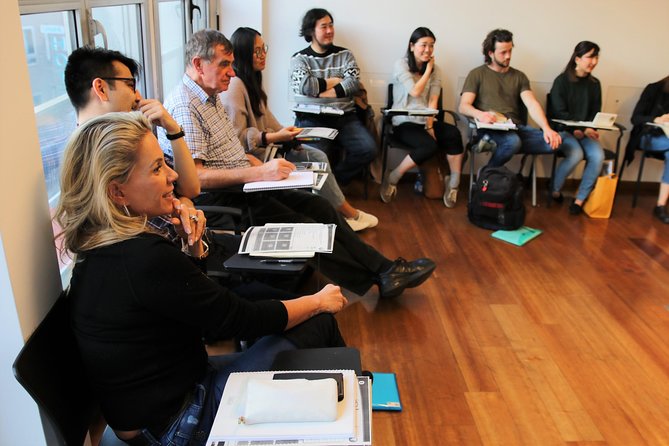
The other big advantage is group size. With a maximum of 14 students, teachers can actually interact with everyone. In language learning, that’s not a nice-to-have. It’s the difference between hearing Italian and using Italian.
You can also read our reviews of more tours and experiences in Milan.


Italian-only classes: why it works, and when it’s tough
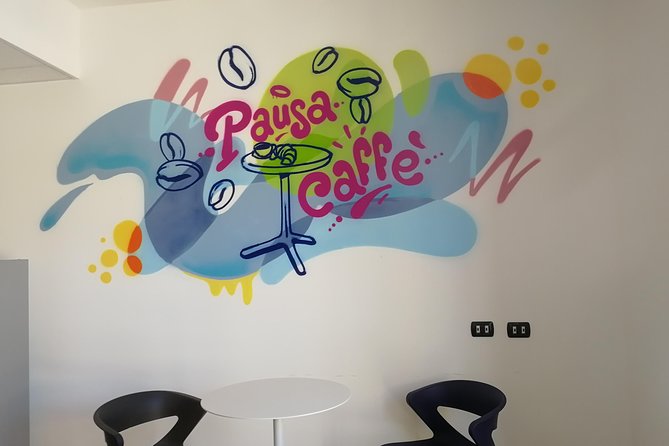
Here’s the core idea: classes are held only in Italian, and from the first day you speak only Italian. That can sound intimidating, but it’s also why this course is popular with people who want progress instead of comfort.
The method is also designed around interaction. You’re in a mixed group—different nationalities and age groups—so you’ll keep hearing different ways people frame questions and respond. That’s useful because real-life Italian isn’t one single “textbook” voice.
Now, the drawback: Italian-only from day one means you can’t rely on English explanations. If your current level is shaky, you’ll need to lean into repetition, listening, and using simple phrases confidently. The school does run multiple levels (A1, A2, B1, and more), so ideally you’ll choose the level that matches you—then the classroom will feel challenging instead of discouraging.
Also note that the delivery method may change based on pandemic conditions and restrictions. That doesn’t mean it will be worse—just that you should expect the school to adapt as needed.
Small groups (max 14) and teachers who actually engage
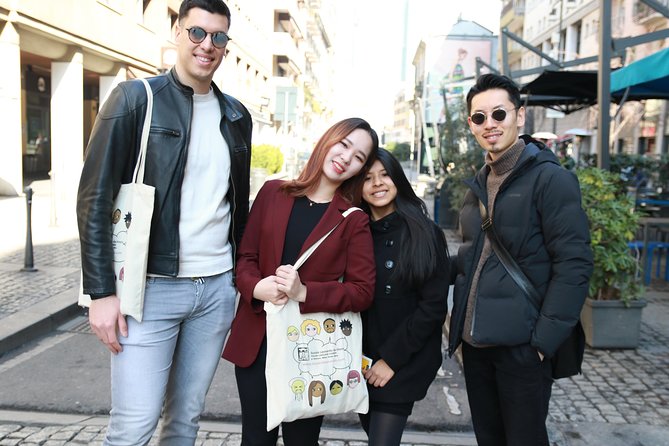
You’re not just buying lessons. You’re buying a classroom dynamic. The course caps enrollment at 14 so each person gets time to speak and get feedback. That matters because Italian is full of small details—verb endings, pronoun choices, rhythm—and those are hard to fix if the teacher barely hears you.
What I found especially compelling from student experiences is the teacher quality and the energy. One student described instructors who are highly engaged, kind, and academically strong, noting that many teachers have PhDs in linguistics. That combination—academic knowledge plus people skills—shows up in how a course handles errors. In a good class, corrections feel like coaching, not criticism.
There’s also flexibility in how learning is paced. Students reported it’s possible to adjust schedules and class focus based on individual needs. That’s a big deal if you’re taking the course because you have a job project, an exam, or a personal goal. If you’re learning Italian for life in Italy, not just for a vacation, you’ll appreciate that.
What your weekdays look like (Mon–Fri)
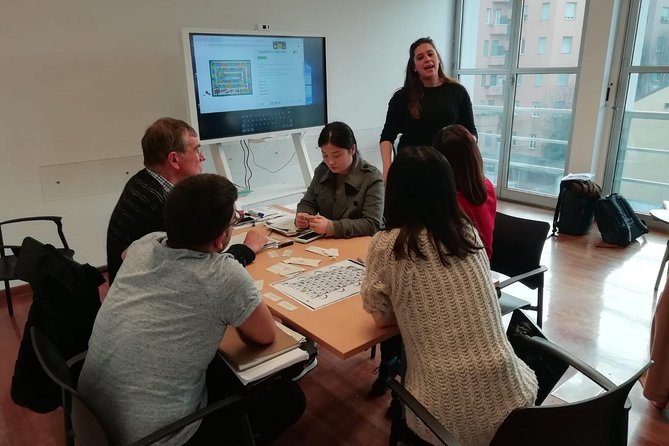
Your week is structured around the course itself: 4 lessons per day, Monday through Friday. Think of it as language training with momentum. You’re not waiting until the end of the week to practice; you practice daily, in multiple lesson blocks.
Even without a public “day-by-day sightseeing itinerary,” you can still picture the pattern:
- You start the day with instruction that targets listening and speaking, not just grammar on paper.
- Each day includes enough lesson time that you’re revisiting and reusing language.
- By midweek, you should notice that simple interactions stop feeling like translation exercises and start feeling more automatic.
Because classes are Italian-only, your brain quickly adapts to the format. You’ll likely spend less time mentally converting and more time responding. That shift is where you feel the difference most.
For some students, the biggest win is confidence. When the classroom expects you to speak, you learn to push through awkward moments. That carries over to your day-to-day walking around Milan.
Cultural activities and weekend practice that goes beyond the classroom
Language learning sticks when it meets reality. That’s why I like that the school includes cultural activities during the week and on weekends. These aren’t just “nice extras.” They’re structured chances to use Italian in context—asking questions, listening in motion, and picking up real phrases you’d never find in a worksheet.
You also get the social side without forcing it. Since you’re in a small, international group, people often pair up for free time and practice. One student described after-class activities as a key part of the experience, saying they helped them get to know Milan in a way that felt more local and less staged.
If you want something especially creative, there’s also mention of an art program connected to the school. One student attended an art program taught by Silvia in her studio and described a modern approach that focused on mixing media and experimenting to find personal style. That’s not guaranteed to be part of every Italian course package, but if you’re there for more than a quick burst, it’s worth asking the school whether it’s running during your dates.



Milan location: Porta Vigentina, Porta Romana, and easy daily movement
The meeting point is Corso di Porta Vigentina, 35. In practice, this places you in a central Milan zone with strong transit access. One student specifically noted the school’s Porta Romana location as central and described it as a safe neighborhood.
Why I care about this: if your school is in the middle of things, your free time turns into productive practice time. You can pop out for errands, bakery stops, museum walks, and neighborhood conversations without adding a long commute. With a course this intensive, you want your “off hours” to support learning, not steal your energy.
There’s another practical benefit. The school offered help with navigating Milan and even getting a SIM card. When you’re trying to learn Italian plus operate a new phone plan, it’s worth having staff who can point you in the right direction fast.
Levels, textbooks, and what you’re actually paying for
The course runs across different Italian levels (A1, A2, B1, and more). That’s important because Italian-only learning can work very well—if you’re in the right level. If you’re too low, everything is chaos. If you’re too high, you’ll just skim.
Textbooks are provided by the school and included in the course price. That’s a real value point. Many language courses nickel-and-dime you for materials. Here, your upfront cost covers the learning tools you need to keep up.
Teachers also use additional support materials to practice contemporary communication. One student noted using the course to improve communication skills through varied materials and activities. That likely means you’re not stuck with only reading and repeating; you’re also training how to respond in everyday situations.
And a quick reality check: the course is offered in English, but the classroom itself is Italian-only. So if you need English for setup questions or for understanding course options, that’s where English likely helps. Once the lessons start, the focus shifts fully to Italian.
Price and value: is $365.63 worth it?
The listed price is $365.63 per person for an approximately 5-day intensive course. On paper, language courses can look expensive until you break down what you’re buying.
Here’s what you get that raises the value:
- 4 lessons per day on weekdays
- A small group capped at 14 students
- Textbooks included
- Italian-only instruction that forces speaking practice
- Cultural activities during the week and weekends
If your goal is quick progress, this format is usually more efficient than casual lessons stretched over months. You’re paying for concentration, feedback, and daily speaking time.
One more value note: the school says you can book from 1 up to 48 weeks, and longer stays can save money—starting from the 5-week course. If you can extend, the per-week learning becomes easier to justify. A one-week intensive is great as a kickstart, but a longer rhythm is where fluency habits form.
Who this course is best for (and who should think twice)
This course is a strong fit if you want:
- Fast improvement in speaking and listening
- A teacher-led structure with feedback
- A small, mixed group where you must interact
- Built-in chances to practice through cultural activities
- A school that helps with real-life logistics in Milan
It may be less ideal if:
- You’re not ready for speaking Italian from day one
- You need heavy English support inside the classroom
- You’re looking for a slow, comfortable introduction more focused on sightseeing
If you’re learning Italian for work in Italy, study, or life plans, the practical staff support (including help with residency and credentialing topics) is especially relevant.
A few practical tips to get the most out of the week
If you take this course, you’ll get more from it if you treat your whole week like a language lab:
- Arrive ready to talk. Expect corrections and don’t wait to be perfect.
- Use your free time intentionally—join the weekend and weekday activities when you can.
- Ask the school questions early, especially about SIM cards and neighborhood logistics, so you’re not stuck figuring things out in your spare time.
- Pick your level carefully. The wrong level can turn Italian-only into frustration.
Also keep in mind the course is non-refundable and can’t be changed once booked. If your dates are uncertain, you’ll want to be extra confident before you commit.
Should you book this intensive Italian course in Milan?
I think it’s a smart choice if you want Italian in real-world form—speaking, listening, and small corrections—inside a structured week. The small class size, Italian-only approach, and four lessons per day make the week feel like training, not just attendance.
Book it if you can handle speaking early and you’re ready to use Milan as your practice space. If you want a gentle onboarding with lots of English, or you’re not comfortable speaking yet, you might be happier with a less intense option or a course that provides more English scaffolding.
FAQ
How many lessons are included each day?
The intensive course includes 4 lessons per day, Monday through Friday.
Is the course taught in English?
The course is offered in English, but the classes are held only in Italian, and from the first day you speak only Italian.
What’s the maximum class size?
The maximum group size is 14 students.
Are textbooks included?
Yes. Textbooks are provided by the school and included in the course price.
Where is the meeting point?
The meeting point is Scuola Leonardo da Vinci Milano, Corso di Porta Vigentina, 35, 20122 Milan, Italy.
Is the course refundable or changeable after booking?
No. The experience is non-refundable and cannot be changed for any reason.