REVIEW · MILAN
Discovering Milan’s fashion soul
Book on GetYourGuide →Operated by Keys Of Italy / Milan and Venice · Bookable on GetYourGuide
Milan fashion is hiding in plain sight. This 2-hour walk uses the city’s top shopping streets to explain how Milan became a global style powerhouse, with an expert local guide leading the way. I especially liked the storytelling that ties designers to what you’re seeing outside, and the chance to focus on specific streets like Via della Spiga and Via Montenapoleone instead of wandering randomly.
One possible drawback: if you want museum-level depth on textiles, industry, or design process, a street tour can feel too fast and too general for the price.
In This Review
- Key highlights worth your attention
- Milan’s Fashion Quadrangle, made walkable (and understandable)
- Meeting your guide at Via Manzoni (and getting oriented fast)
- Quadrilatero della Moda: why these palazzi became fashion headquarters
- Via della Spiga and designer front-row energy
- Via Gesù for photos: the street stop that makes the route click
- Via Sant’Andrea: Chanel and Hermès in front of you
- Via Montenapoleone: where the fashion quadrangle feels real
- Via Manzoni’s Grand Hotel area and the transition to landmarks
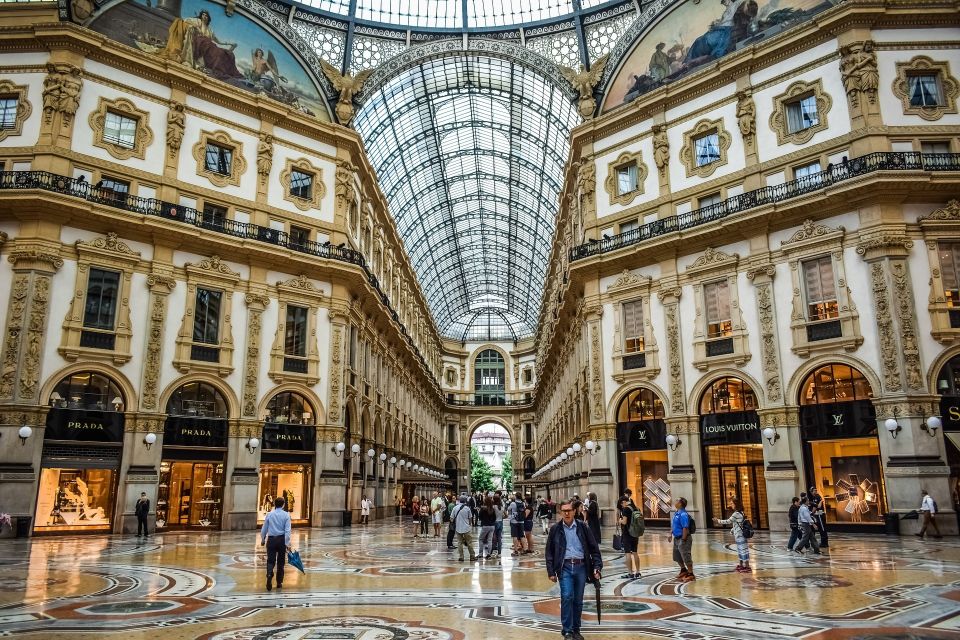
- Piazza della Scala and Galleria Vittorio Emanuele II: ending with atmosphere
- Price and value for a 2-hour fashion walk
- Who should book this Milan fashion tour
- How to get the most out of the tour (without turning it into a sprint)
- Should you book this Milan fashion tour?
- FAQ
- How long is the Milan fashion walking tour?
- Where does the tour start?
- What streets are included in the walking route?
- What’s included in the price?
- Is food or drinks included?
- Does the guide do personal shopping for you?
- What languages is the tour offered in?
- Is there a cancellation option?
Key highlights worth your attention
- Quadrilatero della Moda orientation so you know why these blocks matter in Milan’s fashion map
- Icon street sequence along Via della Spiga, Via Gesù, Via Sant’Andrea, and Via Montenapoleone
- Photo stops that help you frame the facades of the big-brand names without getting lost
- Local guide approach with fashion linked to history and designer biographies
- Small group size (max 9) plus a radio-guide system when the group is larger
Milan’s Fashion Quadrangle, made walkable (and understandable)
Milan’s fashion scene can look like a blur when you’re standing on the sidewalk. This tour fixes that by turning the Quadrilatero della Moda into a simple route you can follow, with a guide who explains what you’re looking at as you go. You’re not just window-shopping your way through high-end stores. You’re learning how the city’s style reputation was built, street by street.
What I like most is that the tour gives you a mental map of the area. By the time you finish, you can look at these streets on your own later and understand why one lane feels “classic luxury” while another feels more “designer flagship.” Milan rewards that kind of attention, because the details are always there.
You can also read our reviews of more tours and experiences in Milan.
Meeting your guide at Via Manzoni (and getting oriented fast)
The experience starts with a meet-and-greet at Via Manzoni 31, at the corner of Via Croce Rossa, near MM3 Montenapoleone. It’s a smart starting point because it puts you close to the action without forcing you to solve transit puzzles first.
Then you’ll meet your live guide, an expert on Milan’s fashion scene, in Italian or English. The first few minutes matter. You’ll get a feel for how the tour will connect fashion to geography—meaning the streets and buildings aren’t random backdrops. They’re part of the story.
I also appreciate the practical side of the group setup. The tour runs with small groups capped at 9, and a radio-guide system kicks in from 5 participants. That helps in busy shopping lanes where normal voices can get swallowed by traffic and crowds.
Quadrilatero della Moda: why these palazzi became fashion headquarters
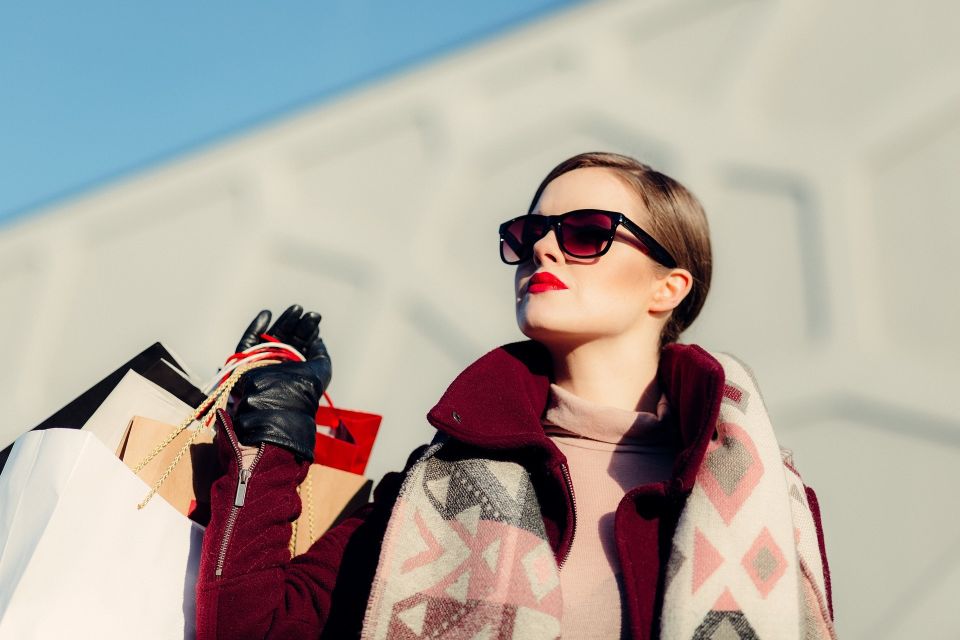
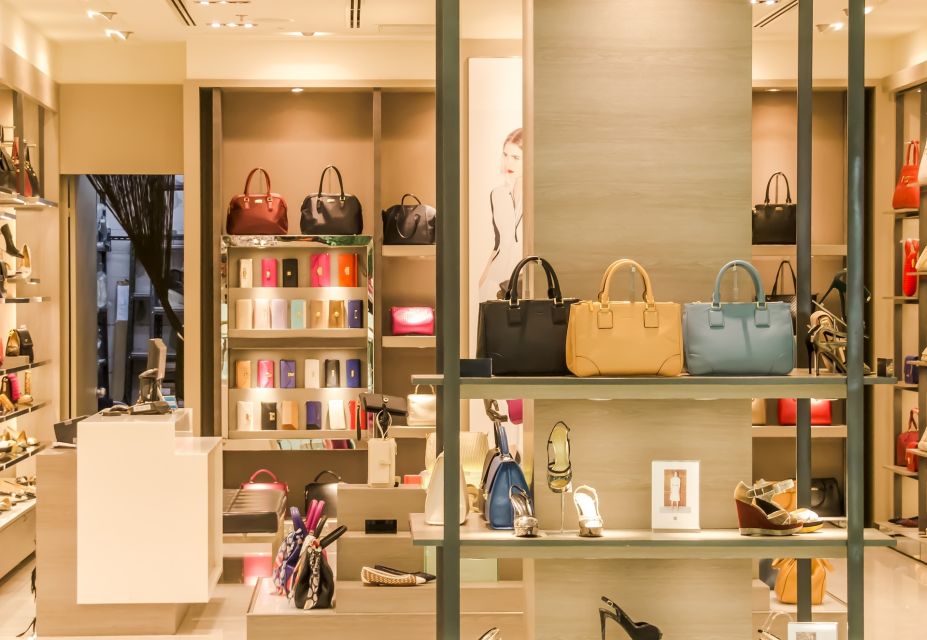
The tour centers on the Quadrilatero della Moda, Milan’s best-known fashion shopping district. This is where wealthy fashion houses decided to put down roots, and it’s why the area still feels like a fashion stage even when you step out of a storefront and onto the pavement.
You’ll learn how Milan became world-famous for fashion after it became a leading textile producer of Europe in the 19th century. That matters because fashion history isn’t just about what designers draw—it’s also about the production systems that make great fabrics, supply chains, and skilled labor possible. In Milan, those forces converged, and high-end brands wanted to be close to that ecosystem.
A big part of what you’ll notice on the streets is how architecture supports the brands. The guide points out the luxurious palazzi and alluring courtyards connected to the area’s status and exclusivity. Even if you’re not shopping, it changes the way you look at storefronts. You start noticing entrances, building facades, and how the blocks were designed to signal prestige.
Via della Spiga and designer front-row energy
From the Quadrilatero overview, you head toward Via della Spiga, one of the streets that tends to feel both glamorous and very “Milan.” This is where locals shop at Italian designer stores, and the tour helps you make sense of what’s famous and why.
Along Via della Spiga, you’ll see big names including Bulgari, Sergio Rossi, and Dolce & Gabbana. The point isn’t to “spot-check logos.” It’s to understand how these brands shaped Milan’s reputation as a design capital, and how the area functions as a shopping corridor rather than a collection of random boutiques.
One practical tip: wear comfortable shoes. This stretch is typically crowded in the way a famous shopping street always is, and the tour keeps moving at a walking pace. You don’t want your feet to become the limiting factor. Good shoes let you focus on the details the guide is pointing out.
Via Gesù for photos: the street stop that makes the route click
You’ll pause for photos on Via Gesù. This is the kind of stop that seems small on paper, but it’s useful in real life. When you’re walking through luxury storefronts back-to-back, it’s easy to lose track of the route in your camera roll.
The photo moment also works as a mental reset. After Via della Spiga, you’ll head toward other branded streets, and that quick stop gives your brain an anchor point—one place you know you passed and can later connect to the nearby lanes.
Think of it as a simple storytelling tool: a break in the flow that helps you remember the route, not just the shopping.
Via Sant’Andrea: Chanel and Hermès in front of you
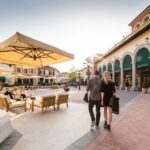
Next comes Via Sant’Andrea, where the guide highlights the glossy-fronted presence of French fashion icons. Here you can look out for Chanel and Hermès and see how Milan’s fashion grid welcomes global luxury alongside Italian brands.
This street is a good example of why a guide is helpful even if you already know the brands. You’ll learn how these labels became part of the Quadrilatero’s identity, and how the mix of fashion houses reinforces Milan as a worldwide destination rather than a regional scene.
Also, don’t rush the facades. The tour encourages you to look at what’s in front of you—how storefront design, placement, and building style create a specific mood. If you’ve never paid attention to how luxury retail is staged, this is where it starts to make sense.
Via Montenapoleone: where the fashion quadrangle feels real
Via Montenapoleone is the street most people associate with Milan’s fashion identity, and the tour treats it that way. This is the legendary lane where you’ll admire luxurious facades of swanky stores featuring Gucci, Versace, and Louis Vuitton.
What makes this part worthwhile isn’t the names alone. It’s the way the guide connects design prestige to location—why these brands wanted to be here, and what the area communicates even before you step inside. You’ll also hear about the prestigious designers behind the storefronts, turning a lineup of boutiques into a timeline you can picture.
If you’re fashion-curious, this is where you’ll likely start noticing patterns:
- the balance of classic and trend-forward visuals
- how each store’s presentation tries to feel like a brand universe
- how the street’s status shapes what the buildings “advertise” visually
Via Manzoni’s Grand Hotel area and the transition to landmarks
After the shopping-heavy lanes, the tour shifts toward a different kind of Milan glamour. You’ll wander down Via Manzoni and pass the Grand Hotel of Milan, positioned between impressive buildings and chic boutiques.
This change of scenery is smart for a 2-hour tour. If you keep walking purely through stores the entire time, it becomes a single long blur. The Grand Hotel area gives you a break and a sense of Milan’s broader luxury identity—still fashion-adjacent, but with a more classic city-landmark feel.
Piazza della Scala and Galleria Vittorio Emanuele II: ending with atmosphere
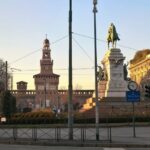
The tour finishes with a stroll through Piazza della Scala, home to the Galleria Vittorio Emanuele II. Even if you don’t go inside for a longer visit, this is a great finishing move because the architecture is memorable and instantly “Milan.”
You end back at the meeting point area, so you don’t have to puzzle out a far-away drop-off or make a complicated plan for your next stop. It’s a clean way to close a fashion-focused walk: you transition from branded shopping lanes to one of the city’s most iconic public spaces.
If you’re planning the rest of your day, think of this as your handoff. From here you can keep exploring nearby on foot, or switch to a museum or aperitivo plan without feeling like you’re still tied to the Quadrilatero pace.
Price and value for a 2-hour fashion walk
At $143.87 per person for a 2-hour guided experience, you’re paying for access to a local expert, a compact route, and a higher-touch group format. It’s not a budget “see the sights” walking tour. This one is built for fashion lovers who want context while they’re standing in front of the brands.
So here’s the value test I’d use before booking:
- If you like stories that connect designers to places, you’ll likely feel the price is justified.
- If you want deep academic fashion analysis, you might find the time short and the street format limiting.
- If you mostly want photos and brand names, you may want to pair this with a free self-guided wander so you can slow down at the stores that interest you most.
The small group size helps quality. With max 9 participants, you’re less likely to feel like one more person in a conveyor belt. The radio-guide system also signals that the provider expects you to hear the guide clearly, which is important when the tour is built on explanations.
Who should book this Milan fashion tour
This is a strong fit if:
- you have only a day (or half a day) in Milan and want a quick, coherent fashion route
- you enjoy design culture and want the “why” behind the famous streets
- you like walking tours where the guide points out details, not just directions
It’s less ideal if:
- you’re expecting museum-level fashion history or textile expertise
- you want a personal shopping experience (this is not a personal shopper setup)
- you’re primarily interested in shopping deals rather than fashion context and design storytelling
Also, if language matters to you, know the tour runs with live guide support in Italian and English. Pick the language you’re most comfortable processing quickly while walking.
How to get the most out of the tour (without turning it into a sprint)
A fashion walking tour works best when you treat it like a guided “visual lecture.” Bring curiosity, not just a wish list.
Here are a few smart ways to sharpen the experience:
- Ask questions about what you’re seeing on the buildings, not only the brands.
- Take a quick photo at each designated stop so you can remember the route afterward.
- Give yourself permission to look slowly. Luxury retail is designed to reward attention.
- Wear comfortable shoes and plan for crowds. This is a prime shopping area.
One more thought: past guides have been praised for combining fashion with history and even designer biographies, and one guide named Valeria is specifically mentioned for telling stories with knowledge and sympathy. That kind of storytelling approach is exactly what makes this tour feel worth it.
Should you book this Milan fashion tour?
If you want a fast, coherent Milan fashion orientation—Quadrilatero to Via della Spiga, Via Sant’Andrea, Via Montenapoleone, then out to Piazza della Scala and Galleria Vittorio Emanuele II—this is a solid option. The route is logical, the group size is small, and the guide-led context is the whole point.
I’d book it if you’re fashion-curious and you enjoy being walked through a curated route with brand names tied to location and historical context. Skip it or adjust expectations if you’re looking for deep, slow, museum-style expertise or a shopping service. For a true “Milan fashion in two hours” experience, this one checks the boxes.
FAQ
How long is the Milan fashion walking tour?
The tour lasts 2 hours.
Where does the tour start?
It starts at Via Manzoni 31, corner of Via Croce Rossa, near MM3 Montenapoleone.
What streets are included in the walking route?
You’ll walk through Milan’s fashion areas, including Via della Spiga, Via Sant’Andrea, and Via Montenapoleone, with a photo stop on Via Gesù, plus stops around Via Manzoni, Piazza della Scala, and Galleria Vittorio Emanuele II.
What’s included in the price?
Included are a professional and certified tour guide, a radio-guide system (from 5 participants), and a small group size of max 9.
Is food or drinks included?
No. Food and drinks are not included.
Does the guide do personal shopping for you?
No. This is not a personal shopper service.
What languages is the tour offered in?
The tour is offered with a live guide in Italian and English.
Is there a cancellation option?
Yes. You can cancel up to 24 hours in advance for a full refund.