REVIEW · MILAN
Sforza Castle and Michelangelo’s Pietà Rondanini guided experience
Book on Viator →Operated by Hidden Experiences · Bookable on Viator
Sforza Castle feels bigger once you’re inside. This guided stop-and-spot tour connects the fortress story to Michelangelo’s Pietà Rondanini, with your guide pointing out what to notice and why it matters.
I especially love the included admission to Castello Sforzesco and the way the guide turns “I’m looking at art” into “I know what I’m seeing.” You also get the bonus of a true small-group setup, so you’re not fighting for audio in every hallway.
One thing to consider: the experience depends heavily on guide delivery and the day’s crowd levels. If you end up with a quieter guide or heavy foot traffic, it can be harder to catch every detail, even with support like headphones.
In This Review
- Key things I’d highlight before you go
- Why Sforza Castle plus Pietà Rondanini makes sense in Milan
- Filarete Tower meeting point and the 90-minute pace you can actually use
- Castello Sforzesco: from fortified complex to museum rooms
- Michelangelo’s Pietà Rondanini: what you should look for
- A practical tip for viewing
- Guide style is the difference between a good tour and a great one
- How you can protect your audio and attention
- What’s included (and how that changes the value)
- Best for who, and who should skip it
- Should you book this Pietà Rondanini and Sforza Castle guided tour?
- FAQ
- Where does the tour start and end?
- How long is the Sforza Castle and Pietà Rondanini guided experience?
- Is admission to Sforza Castle included?
- Is the tour offered in English?
- Are headphones included?
- How big is the group?
- Can I upgrade to a private tour?
- Is the meeting point easy to reach?
- Is food or drinks included?
- What if I need to cancel?
Key things I’d highlight before you go
- Michelangelo’s Pietà Rondanini in context: you’re not just handed a masterpiece label; you get the story behind what makes this Pietà unusual
- Sforza Castle admission is included: you pay once and walk in with your group
- Small group, max 20 people: easier pacing and more chance to hear questions
- Audio support when the group is larger: headphones are provided when the group has 11+ participants
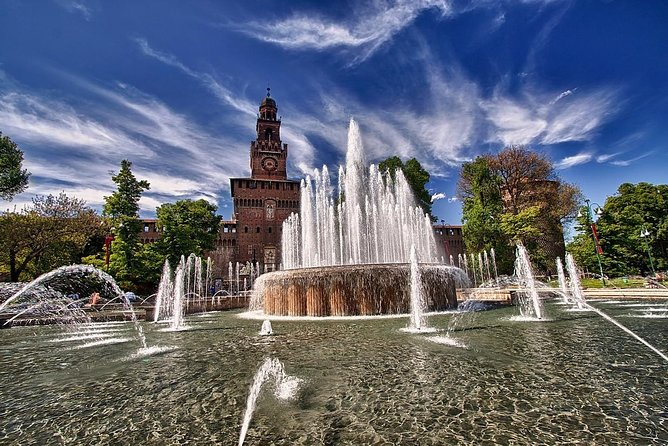
- A simple meeting point near Piazza Castello: Filarete Tower makes your start time easier to handle than “mystery corners”
Why Sforza Castle plus Pietà Rondanini makes sense in Milan
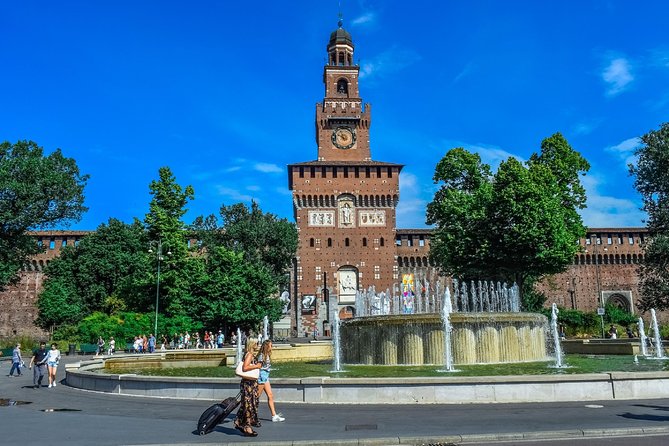
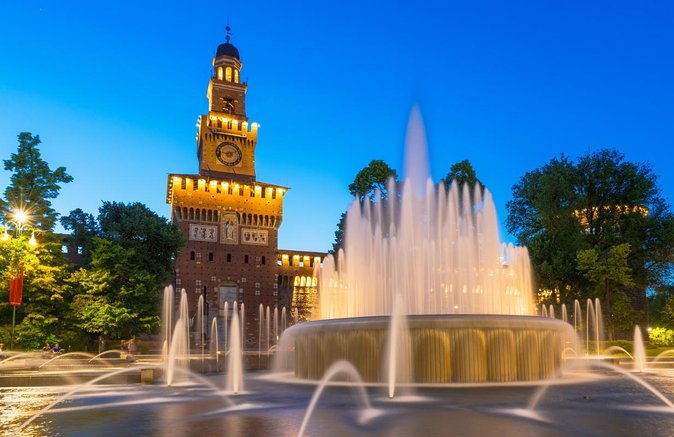
If you only do one “big art” museum moment in Milan, pairing it with Sforza Castle is a smart move. The castle complex is a major landmark in its own right, but it’s also a home base for art and collections that can be easy to miss if you wander without a plan.
Here, your focus lands on Michelangelo’s Pietà Rondanini, housed inside the Castello Sforzesco museums. That pairing is useful because the castle story (who built it, how it changed over time, and how it was restored) helps you understand why the building feels like more than a backdrop. You’ll walk away seeing the fortress and the artwork as one connected experience, not two separate stops stitched together.
Also, you don’t need to be a die-hard Michelangelo fan to enjoy this. I like that the tour is built around explanation and looking—so first-timers get oriented fast, and repeat visitors can still pick up details they didn’t notice on their own.
You can also read our reviews of more guided tours in Milan


Filarete Tower meeting point and the 90-minute pace you can actually use
The tour starts at Filarete Tower, Piazza Castello, 20121 Milano MI. Ending back at the same point keeps things clean if you’re building the rest of your day around nearby sights.
The total time runs about 1 hour 30 minutes, which is a sweet spot for Milan. You get enough time to enter, get context, and slow down for the Pietà—without eating your entire afternoon. And because you can choose different tour times, you’re more likely to find one that fits your energy level (morning brain vs. late-day crowds).
One small practical point: this is a museum visit, and the castle complex can feel surprisingly big. A good guide will set you up before you walk too far, so you’re not spending your first 15 minutes playing museum GPS. On days when that “before you enter” setup is strong, the whole tour clicks.
Castello Sforzesco: from fortified complex to museum rooms
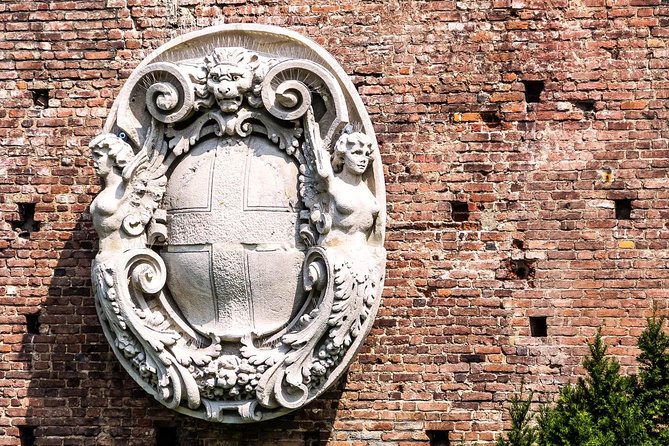
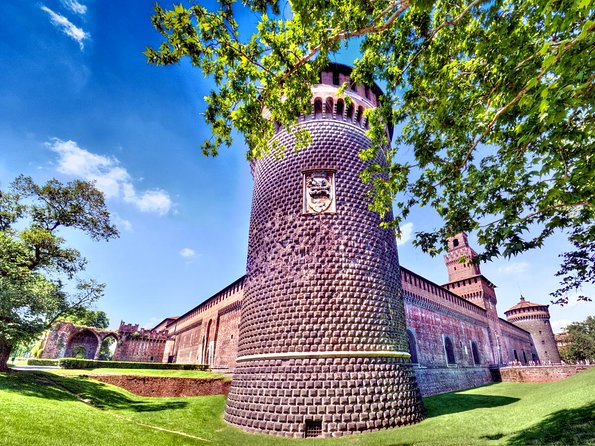
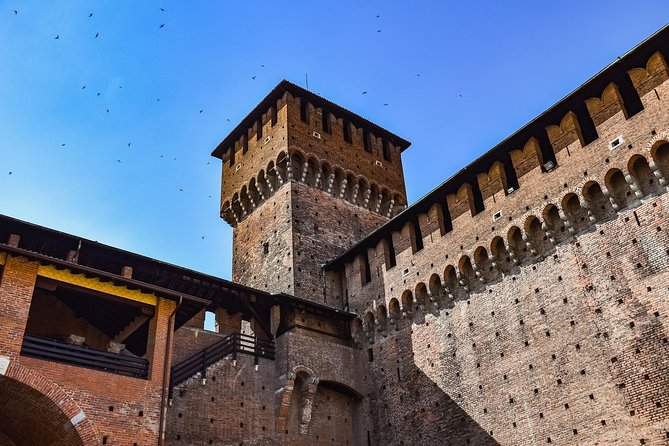
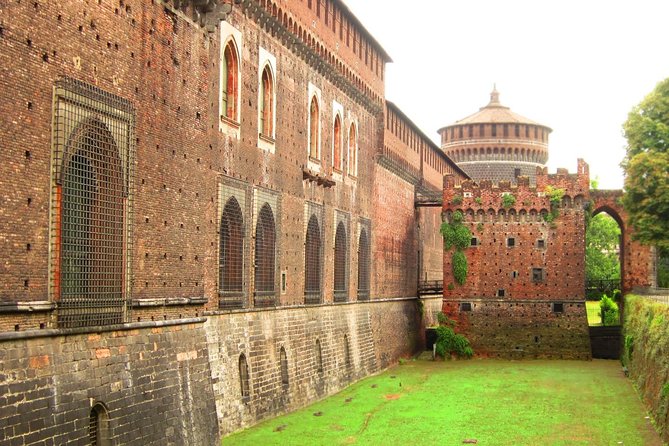
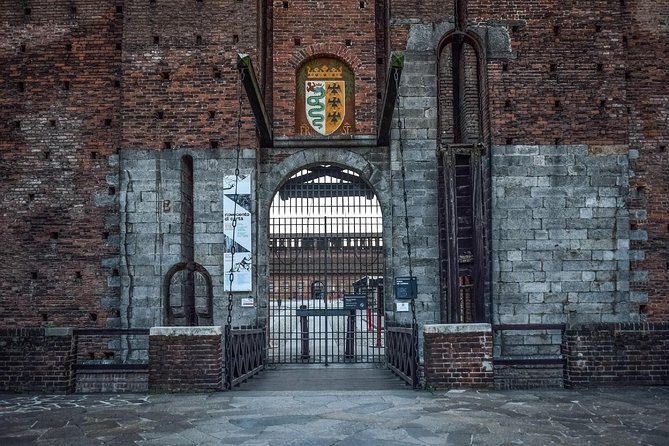
Sforza Castle (Castello Sforzesco) began as a fortified complex in the fifteenth century, built by Francesco Sforza. Over the centuries, it went through changes and restorations, including work by notable architect-restorer Luca Beltrami. That matters because it explains why the castle doesn’t feel like one single era—it feels like a layered building that kept evolving.
Inside, you’ll spend time in the museum areas, where the castle can read like an art gallery as much as a historical site. From what I’ve learned here, the collections are part of why this place feels different from a simple “see the walls” visit. It’s not only about the outside grandeur; it’s about what’s housed within.
One real advantage of booking a guided visit is direction. The castle grounds and interiors can be visually impressive, but without a route you may end up seeing only fragments. A good guide helps you connect the dots: how the Sforza family story leads into the museum’s role, and how the Pietà fits into the broader idea of Renaissance ambition and unfinished work.
Michelangelo’s Pietà Rondanini: what you should look for
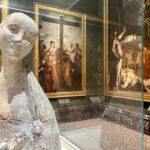
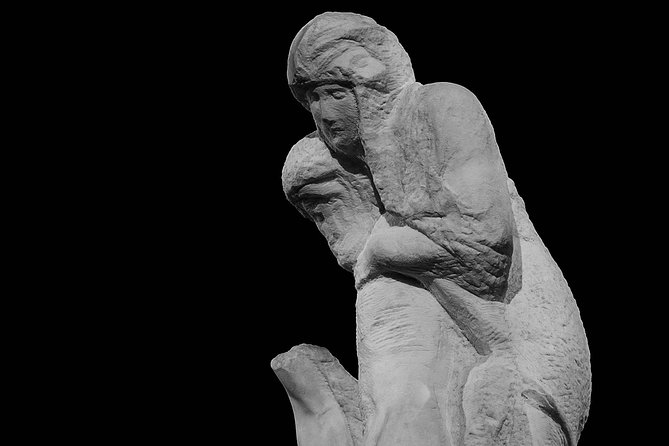
Michelangelo’s Pietà Rondanini is the star of this tour, and your guide will help you focus on what makes it special. This is not the Pietà most people “know from a photo,” and that difference is part of the fascination.
What I’d watch for during the stop is the Pietà’s emotional power and the hints of unfinished process. In the guidance you’ll likely receive, the guide points out that it’s an unfinished masterpiece and connects it to a deeper narrative around its creation. You may also hear about the death mask associated with the work, which adds a human layer to the stone—suddenly you’re not just looking at a sculpture, you’re tracking how artists studied faces and materials.
Another detail that can land hard when a guide explains it well: the face of Mary and the sorrow expressed in the carving. If your guide is the kind who likes to make you really look, this becomes one of those museum moments where you step back and think, okay, I get why people talk about this.
A practical tip for viewing
Museum rooms can get busy, and crowd flow affects your ability to stand comfortably. If you want a moment to see the work clearly, focus on the guide’s cue for where to stand and what to notice first. Then, after the explanation, take 20–30 seconds to re-look without rushing.


Guide style is the difference between a good tour and a great one
This is where I’ll be honest. The tour’s quality can hinge on the guide’s spoken clarity, energy, and how they manage crowds.
From guide experiences shared with this tour, I’ve seen a strong pattern: when guides talk with confidence and pace, people leave raving about how much they learned without feeling overwhelmed. Names that came up include Sylvia, Simon, Renata, Stefania, Nina, Lori, Fabio, Maria, and Renatta—each described with a clear passion for Milan and the artworks. That’s a good sign: it suggests the tour often runs with guides who can keep art history from turning into a lecture.
But there’s also a heads-up from other experiences: some guests felt the guide was hard to understand due to pronunciation or volume, or found the pacing less engaging—especially when crowds made it harder to hear. Since the tour includes headphones only when the group has 11+ participants, you may want to plan around that.
How you can protect your audio and attention
- Arrive a few minutes early so you can settle before the official start
- If there are many people around, ask for the headphones setup right away (if provided for your group size)
- Don’t hesitate to request a quicker repeat of a key point if you miss it—the tour is built around an interactive guide moment, not silent wandering
- If you’re sensitive to noise, consider choosing a tour time that feels less chaotic for you
And yes, one more practical thing: bathroom access can be limited in the castle. I’d rather you use the facilities before the group gets pulled into the museum flow than hope you’ll find a quick break on the spot. If your guide hasn’t warned you at the start, make a note to ask.
What’s included (and how that changes the value)
You’re paying $60.37 per person for a 1.5-hour guided visit with several real built-in perks.
Here’s what’s included:
- Entry tickets to Sforza Castle
- A licensed tour guide
- Headphones, provided from 11 participants
- Small group tour (maximum 20 travelers)
That “entry included” part matters more than it sounds. Museum tickets and timed access can be annoying to handle solo, especially when you’re trying to build a full Milan itinerary. Paying for the package means you spend your mental energy on the art—not on ticket lines.
There’s also an upgrade option to a private tour if you want a more personal pace. That’s a good fit if you’re traveling with kids, have mobility needs that require flexibility (within what the tour supports), or you just want more Q&A time with your guide.
The tour also mentions group discounts as a feature. Even if you’re not traveling as a large party, it signals that the operator expects groups and keeps the logistics workable.
Best for who, and who should skip it
This tour is a strong match if:
- You want Michelangelo’s Pietà Rondanini with explanation and context
- You’d rather do one focused art stop than a scattershot museum day
- You like learning how Milan’s landmarks connect to each other
It’s also a solid choice if you’re deciding between multiple “headline” activities in Milan. Some people specifically picked this tour for the Michelangelo-and-Milan focus, rather than swapping it for other famous sights. If you’re in that decision zone, the key is your interest in art interpretation plus a guided museum walk.
Who might want to skip or adjust expectations:
- If you need very loud, clear narration for every second, pick a time when you expect fewer crowds and plan to use the headphones if your group qualifies
- If you hate guided formats and want pure self-paced wandering, you might feel guided time limits your spontaneity (though the Pietà stop is often worth the structure)
- If you’re expecting huge outdoor-only castle time, this visit is built around the castle and museum experience, not a long outdoor stroll
Should you book this Pietà Rondanini and Sforza Castle guided tour?
I’d book it if you want a clear, efficient way to see Sforza Castle and leave with real understanding of Michelangelo’s Pietà Rondanini. The big value is the combination of included entry plus a guide who helps you notice what to look for, especially at the Pietà stop.
I’d choose your tour time thoughtfully and come ready for a museum rhythm. If you’re sensitive to audio or you’ve had trouble with guide volume in the past, pick a smaller-feeling slot, arrive early, and use headphones when they’re available for your group size.
If you want, tell me what day/time you’re considering and what other Milan sights you’re doing that afternoon. I can help you stitch this into a plan so it doesn’t feel rushed or crowded around it.
FAQ
Where does the tour start and end?
The tour starts at Filarete Tower, Piazza Castello, 20121 Milano MI, Italy. It ends back at the meeting point.
How long is the Sforza Castle and Pietà Rondanini guided experience?
It lasts about 1 hour 30 minutes.
Is admission to Sforza Castle included?
Yes. Entry tickets for Sforza Castle are included.
Is the tour offered in English?
Yes, the tour is offered in English.
Are headphones included?
Headphones are provided from 11 participants.
How big is the group?
This activity has a maximum of 20 travelers.
Can I upgrade to a private tour?
Yes. There is an option to upgrade to a private tour for a more personalized experience.
Is the meeting point easy to reach?
Yes. The meeting point is near public transportation.
Is food or drinks included?
No. Food and drinks are not included.
What if I need to cancel?
You can cancel for a full refund up to 24 hours before the experience starts. If you cancel less than 24 hours before, the amount you paid will not be refunded.