REVIEW · MILAN
Museum of Senses Milan admission ticket
Book on GetYourGuide →Operated by Museum of Senses Milano · Bookable on GetYourGuide
Your feet get their own job here. The Museum of Senses in Milan turns your senses into the main event, with hands-on stations for touch and a full six-sense route.
I love that it’s built for both adults and kids, so you’re not stuck doing the museum version of small talk. I also like the way the experience nudges you to slow down and actually pay attention, whether that’s to sound, smell, or balance.
One caution: at $18, you’ll want to budget enough time. A common complaint is that the visit can feel short if you rush, and some parts (especially the taste/sweets angle) may not click right away.
In This Review
- Key Highlights You’ll Notice Fast
- Museum of Senses Milan Admission: What $18 Really Buys You
- How Your Visit Works: A Six-Sense Route You Can Pace
- Sight and Hearing: When Your Eyes and Ears Don’t Agree
- Smell and Taste: Playful, Not Gourmet
- Touch and Tactile Floors: The Socks Moment
- Balance: The Zone Where Fun Gets a Little Physical
- Photo Spots and Staff Support: Making It Easier to Enjoy
- Timing, Ticket Validity, and Why Your Entry Slot Matters
- Who This Museum Is Best For (and Who Might Want Another Plan)
- Value Check: Is It Worth $18 in Milan?
- Should You Book Museum of Senses Milan?
- FAQ
- What is the price for the Museum of Senses Milan admission ticket?
- How long is the ticket valid?
- What’s included with the ticket?
- Which senses are featured in the museum?
- Is the museum wheelchair accessible?
- Are animals allowed inside?
- Can I get a refund if my plans change?
Key Highlights You’ll Notice Fast

- Six-sense zones: sight, hearing, smell, touch, taste, and balance in one ticketed flow
- Included sensory socks: the tactile floor experience is part of the deal, not an optional add-on
- Taste Box: a dedicated food moment tied to the museum’s sensory theme
- Hands-on, not glass cases: interactive stations are the whole point here
- Photos on purpose: there are spots designed for memorable pictures
- Staff explanations: you can ask questions instead of guessing what you’re supposed to do
Museum of Senses Milan Admission: What $18 Really Buys You

The Museum of Senses Milan admission ticket is a straight shot at a specific goal: you act, you touch, you test, you react. For $18 per person, the value isn’t about seeing famous paintings. It’s about spending time in a controlled, playful environment where your senses get put to work.
You’ll get access to all areas and interactive exhibits, plus the museum’s multi-sensory stations covering the six senses. That matters because some “experiential” attractions only offer a sample of the concept. Here, the ticket is built around the full route, so you don’t have to hunt for what’s included.
Two inclusions make the ticket feel more complete. First are the special socks in the Senses Kit (listed as a €5 value). Second is a Taste Box tied to the taste area. These aren’t just souvenirs. They help you participate in the experience the way it’s designed.
Price-wise, I’d call it fair if you’re the type who enjoys interactive setups and doesn’t mind spending time doing things with your hands (and sometimes your feet). If you want a longer sit-down attraction or you’re strictly chasing a checklist of “major sights,” this one can feel like it moves at a faster pace than you expect.
You can also read our reviews of more tours and experiences in Milan



How Your Visit Works: A Six-Sense Route You Can Pace

The museum is organized by senses, so your visit follows a theme you can understand without a map full of fine print. You enter and then drift through areas dedicated to: sight, hearing, smell, touch, taste, and balance. Each zone uses interactive elements to get you to notice how your senses work—and how easily they can be fooled.
That route structure is useful for two reasons.
First, it gives kids an easy “mission” (“find the sound,” “try the touch,” etc.), which keeps attention from wandering.
Second, it lets adults focus on the fun science angle without turning the visit into homework.
Your pace is the key variable. The ticket doesn’t list a fixed visit length; it’s tied to entry timing through availability, and the ticket is valid 1 to 365 days depending on what’s offered when you book. Reviews include a real-world warning: if you go fast, you might finish sooner than you’d like. If you’re paying $18, you’re better off planning to slow down and actually repeat the best stations.
One more practical thing: the museum provides clear warnings and instructions for specific installations inside. Read the signage. Some activities may not be suitable for all categories of visitors, so treat those notes like part of the experience—not paperwork.
Sight and Hearing: When Your Eyes and Ears Don’t Agree

In the sight and hearing areas, the museum’s trick is simple: it gets your senses talking to each other. Expect interactive setups where visual input and audio cues work together, or where sound changes what you think you’re seeing.
This is a good zone to start with because it sets the tone. You’ll get a quick lesson in how the brain constructs reality, then you’ll be primed for the more hands-on stations later.
A tip: if you’re going with kids, let them lead here. The sight/hearing games tend to be intuitive, and younger visitors often catch on faster than adults. You can shift into “show me again” mode after they’ve experimented, which keeps the energy up without turning it into chaos.
If you prefer quiet, don’t assume this is a silent museum. Interactivity often means people talking, laughing, and trying again. That can be part of the fun, but it might matter if you’re easily overwhelmed by noise.
Smell and Taste: Playful, Not Gourmet

The smell section is designed to switch you from visual thinking to instinct. Instead of explaining everything up front, the museum uses sensory triggers to make you pay attention in a more primitive way—what you notice first, what you misread, and what changes when you’re expecting one thing but getting another.
Then comes the taste area, where the museum hands you a Taste Box. This is the part to treat with expectations management. It’s not positioned as a food tour. It’s part of the sensory theme, and it can come off as puzzling if you were expecting a straightforward sweets stop.
One review concern that’s worth listening to: the taste/sweets concept didn’t feel clear to everyone, even though the overall experience was fun. So if you’re the kind of person who needs a clear explanation before you enjoy something, plan to spend a little extra time asking staff questions. They’re available for explanations and insights during the visit, and that can turn confusion into curiosity.
Touch and Tactile Floors: The Socks Moment

This is one of the biggest reasons the ticket feels different. The museum encourages you to explore the touch areas, and it brings that concept down to your body with the included special socks.
Here’s what I like about this design: the socks aren’t a marketing gimmick. They’re a way to make the tactile floor and foot-feel experiences possible. Your feet can sense texture and surface differences in ways your eyes can’t. It turns “touching things” into “noticing how surfaces change your balance and reactions.”
Practical advice: wear the socks carefully and keep them clean. If you’re bringing kids, make it a quick game: count how many textures you can identify before you look.
Also remember the museum is suitable for everyone, but some installations may not work for every body or every comfort level. If an instruction sign tells you to be cautious, take it seriously.
You can also read our reviews of more museum experiences in Milan





Balance: The Zone Where Fun Gets a Little Physical

Balance is often where these museums either feel clever or a bit too gimmicky. Here, it’s presented as another core sense, not an afterthought. That means you should expect interactive activities that challenge your coordination or perception.
This zone can be great if you like movement and trying things. It’s also a reason to go with the right mindset: you’re here to test your senses, not prove you’re perfect at them.
If you’re sensitive to dizziness or you don’t like being pushed off your usual coordination, pause at the warning signs inside and try to choose gentler activities first. The museum marks instructions clearly for a reason.
Photo Spots and Staff Support: Making It Easier to Enjoy

A lot of sensory museums are great in concept but weak in the practical details: you try something once, don’t know what it’s for, then move on. This one is set up to help you keep going.
There are dedicated spaces for unique and memorable photos, which matters more than you might think. When a museum gives you photo-friendly areas, it also gives you breathing room—places to reset, regroup, and take a moment instead of rushing straight through.
Even better: staff are available with explanations and insights. That support is especially helpful in the touch and taste zones, where you might not instantly understand the learning point. If you’re traveling with kids, a quick staff explanation can save you from turning the visit into “What are we supposed to do?” every five minutes.
Timing, Ticket Validity, and Why Your Entry Slot Matters

Your ticket is valid 1 to 365 days, but entry timing depends on availability and starting times. Translation: the museum isn’t “walk in whenever and do everything in one hour.” Plan to pick a time that fits how you like to travel.
If you like a calm start, aim for a slot where you won’t feel rushed. If you’re traveling with children, picking a calmer time can prevent the usual end-of-visit meltdown once everyone has tried a few stations and the novelty starts to fade.
Also note: you’ll find the museum is wheelchair accessible. If mobility is part of your planning, it’s worth checking how your group prefers to move through interactive stations so you don’t waste energy navigating around constraints inside.
Who This Museum Is Best For (and Who Might Want Another Plan)
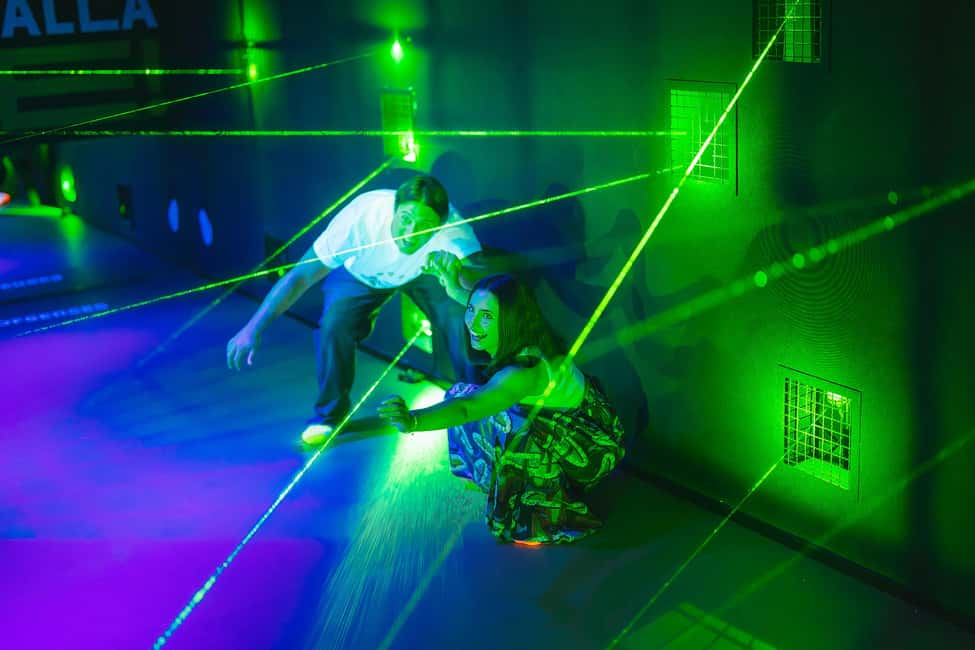
This attraction is built for all ages, so it’s a strong family option. If you’re traveling with kids, the six-sense layout is simple to understand, and the interactivity gives them real agency.
It’s also a good choice for adults who like hands-on science and perception puzzles. You’ll enjoy it more if you’re curious about why your senses mislead you and you don’t mind being slightly “in the experiment.”
Who might find it less satisfying?
- People who want a slow, long museum visit with quiet galleries
- Anyone who expects a heavy emphasis on history or famous artworks
- Folks who prefer clear, conventional explanations for everything, especially in the taste area
And if you only have a short window in Milan, do a quick reality check. Based on the feedback, it’s possible to finish in as little as about half an hour if you move quickly. That doesn’t mean the museum is tiny—it means your pacing choices decide whether it feels like a full visit or a quick stop.
Value Check: Is It Worth $18 in Milan?
For $18, you’re paying for interaction and sensory experiences, not for a long formal tour. So the value depends on how you spend your time inside.
Here’s how I judge it:
- If you will actually try most stations (especially touch and balance), the ticket feels like a solid bargain for the experience you get.
- If you go only for the highlights and rush through, the same $18 can feel steep.
- If the taste/sweets concept doesn’t make sense to you, that segment won’t suddenly turn into a great snack break. It’s still part of the sensory design.
The included socks kit and Taste Box help justify the cost. They’re not afterthoughts, and they directly support key parts of the museum. Add in staff help and photo-friendly areas, and you’ve got something that’s designed to keep you participating.
Should You Book Museum of Senses Milan?
I’d book this admission ticket if you want a fun, interactive activity in Milan that works for both adults and kids. It’s especially worth it if you’re the type who enjoys sensory games, tactile experiences, and the feeling of testing your own perceptions.
Skip it or pair it with something else if your ideal museum day is calm, long, and gallery-based. Also consider your time. The ticket gives you flexible validity, but your in-museum enjoyment will depend on slowing down and trying the stations rather than treating it like a quick photo stop.
If you’re planning a mixed day in Lombardy and want one guaranteed hands-on experience, the Museum of Senses is an easy add. Just go in expecting to participate, not just observe.
FAQ
What is the price for the Museum of Senses Milan admission ticket?
The ticket is listed at $18 per person.
How long is the ticket valid?
The admission ticket is valid for 1 to 365 days, depending on availability and starting times.
What’s included with the ticket?
You get access to all areas and interactive exhibits, multi-sensory experiences for sight, hearing, smell, touch, taste, and balance, staff explanations, and photo areas. The special socks (Senses Kit) and a Taste Box for the taste area are included.
Which senses are featured in the museum?
The museum has interactive areas dedicated to sight, hearing, smell, touch, taste, and balance.
Is the museum wheelchair accessible?
Yes, the museum is wheelchair accessible.
Are animals allowed inside?
No, animals are not allowed.
Can I get a refund if my plans change?
You can cancel up to 24 hours in advance for a full refund.