REVIEW · MILAN
Milan: Museum of the 900 Entry Ticket with Audio Guide
Book on GetYourGuide →Operated by Vox City International · Bookable on GetYourGuide
Modern art, with Duomo views built in. This Milan stop pairs a ticket to the Museo del Novecento with a smartphone audio guide, so you can move at your own pace while learning what you’re actually looking at.
I really like two things: the digital audioguide in English, German, French, and Italian, and the way it’s structured with 40+ audio points of interest plus a digital map so you don’t wander aimlessly. You can follow the route room by room without needing a person to herd you along.
One caution: you have to show up ready. Bring headphones and make sure your phone battery is topped up, because this is self-guided (no live guided tour included).
In This Review
- Key details to know before you go
- Arriving at Piazza del Duomo: your low-stress starting point
- Entry ticket and e-tickets: how to avoid the usual last-minute headache
- Audio guide on your phone: how to make the 2 hours count
- A smart way to run the visit
- Palazzo dell’Arengario and the Duomo view you shouldn’t trade away
- What you’ll learn: 20th-century art movements through 40+ audio points
- Major artworks, explained in plain language
- Timing tip so you don’t get audio-fatigued
- Navigating with the digital map: your anti-stress plan inside the museum
- Where the 2-hour limit can work in your favor
- Value check: $14 plus audio that actually helps you understand
- Who this feels like a great match for
- Who should book (and who might not love this format)
- Should you book the Museum of the 900 audio guide?
- FAQ
- Where is the Museum of the 900 located?
- How much does this experience cost?
- How long is the visit?
- What languages are available for the audio guide?
- Do I need to bring headphones?
- How do I get my tickets?
- Can I skip the ticket line?
- What are the museum opening hours?
- Is a guided tour included?
Key details to know before you go
- Skip-the-line entry with mobile e-tickets you show right at the museum
- Smartphone audioguide app with multiple languages and a digital city add-on
- Palazzo dell’Arengario setting and big “Milan-from-here” moments, including Duomo views
- 40+ audio stops that help you connect names, movements, and key works
- 2-hour duration that works best if you follow the map instead of sprinting
Arriving at Piazza del Duomo: your low-stress starting point
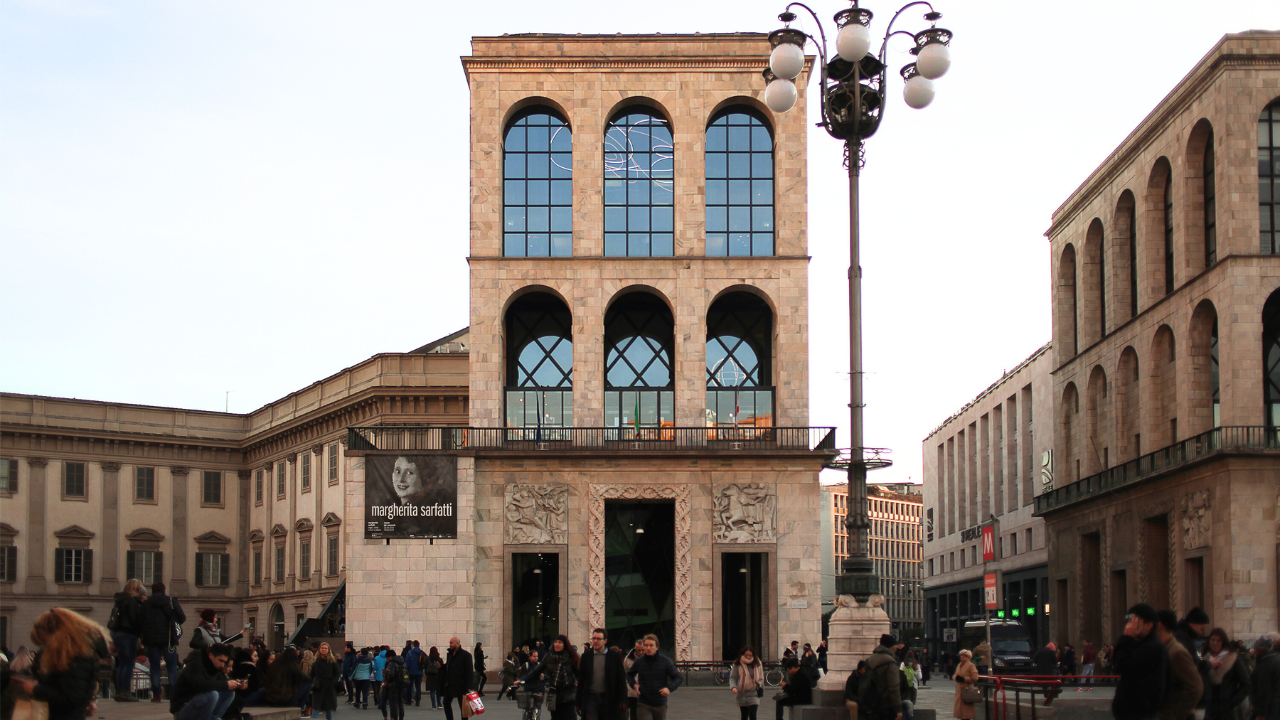
The Museum of the 900 is easy to fit into a Milan day because the address is right on Piazza del Duomo, 8. You don’t need a separate meet-up location or a complicated transfer plan—go straight to the museum and use your phone for entry.
That matters more than it sounds. When you’re in the Duomo area, you’re already surrounded by crowds and fast-moving foot traffic. The simpler your first step is, the less time you burn waiting. With this ticket, you can skip the ticket line, and that’s the difference between a museum day that feels relaxed and one that feels like another queue in a long list.
If you like to plan lightly, this is a good fit. You choose your start time, you walk in, and the audio guide does the heavy lifting.
You can also read our reviews of more tours and experiences in Milan


Entry ticket and e-tickets: how to avoid the usual last-minute headache
This experience is built around mobile e-tickets. You’ll receive them via WhatsApp from Vox City, delivered within 24 hours before your travel date. The sender will be Vox City, so save or watch for that message rather than trying to hunt across email.
When you arrive, staff will scan or check your e-ticket on your mobile device. That means you should have your screen brightness up and your phone unlocked.
Here’s the practical bit I’d follow: take a quick screenshot of the ticket page once it arrives, just in case your app or WhatsApp display is slow. The tour info is clear that you’ll show tickets on your phone—so give yourself every advantage.
Price is listed at $14 per person, and for a museum ticket bundled with a smartphone audio guide, that’s solid value. You’re paying mostly for the admission plus interpretation that helps you understand what you’re seeing.
Audio guide on your phone: how to make the 2 hours count
The whole point of a museum audio guide is not just hearing facts—it’s timing. You only have 2 hours, so the app needs to guide your pace, and this one is designed around a set number of audio moments.
You’ll get a digital audioguide through the app, available in English, German, French, and Italian. There’s also a digital audioguide for the city of Milan. That’s useful if you plan to keep moving after the museum—especially if you want quick context while you’re walking through the center.
A smart way to run the visit
I suggest this approach:
- Start the guide and look at the digital map before you enter each section.
- Hit the audio points in order, not randomly.
- Give each stop enough time to read what’s in front of you, then listen to the explanation.
If you treat this like a scavenger hunt, you’ll miss the connections the guide is trying to make. In a modern art museum, the details matter because you’re often looking at ideas and movements as much as you are looking at single objects.
Also, download patience helps. This experience assumes your smartphone is ready with a charged battery and working audio. Bring headphones, and if your phone battery runs low easily, plug in at a nearby café first.
Palazzo dell’Arengario and the Duomo view you shouldn’t trade away
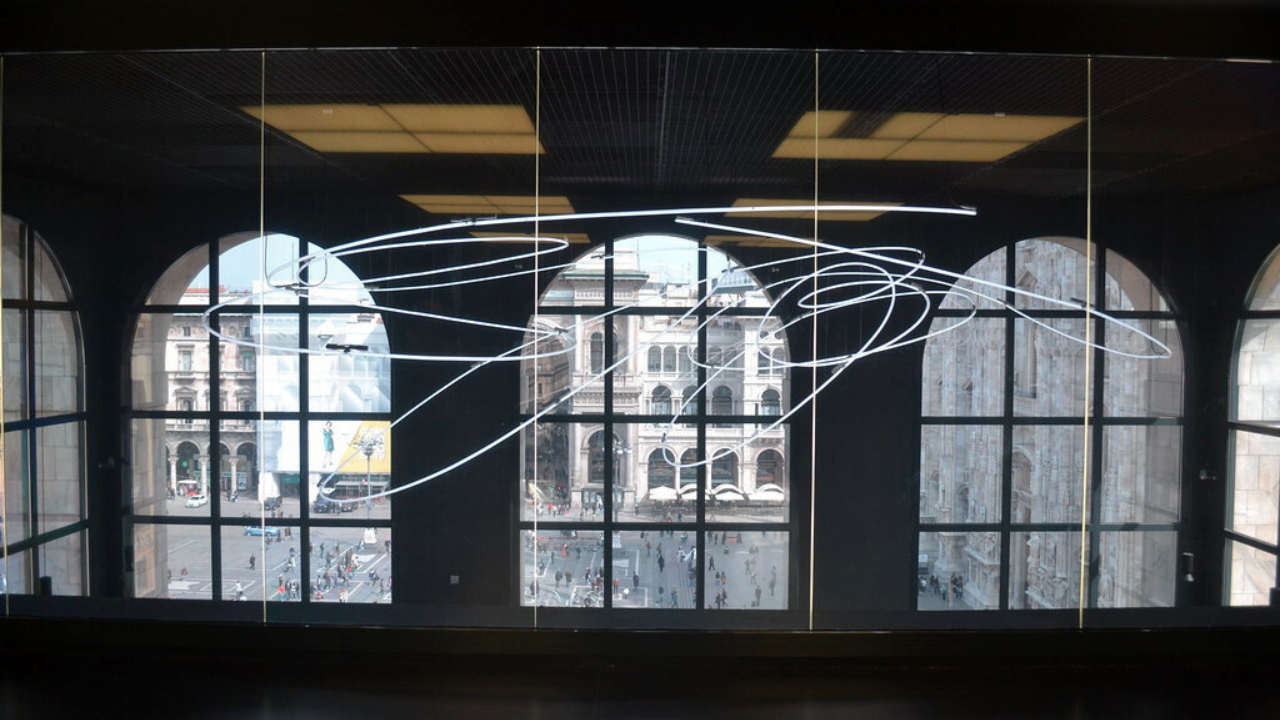
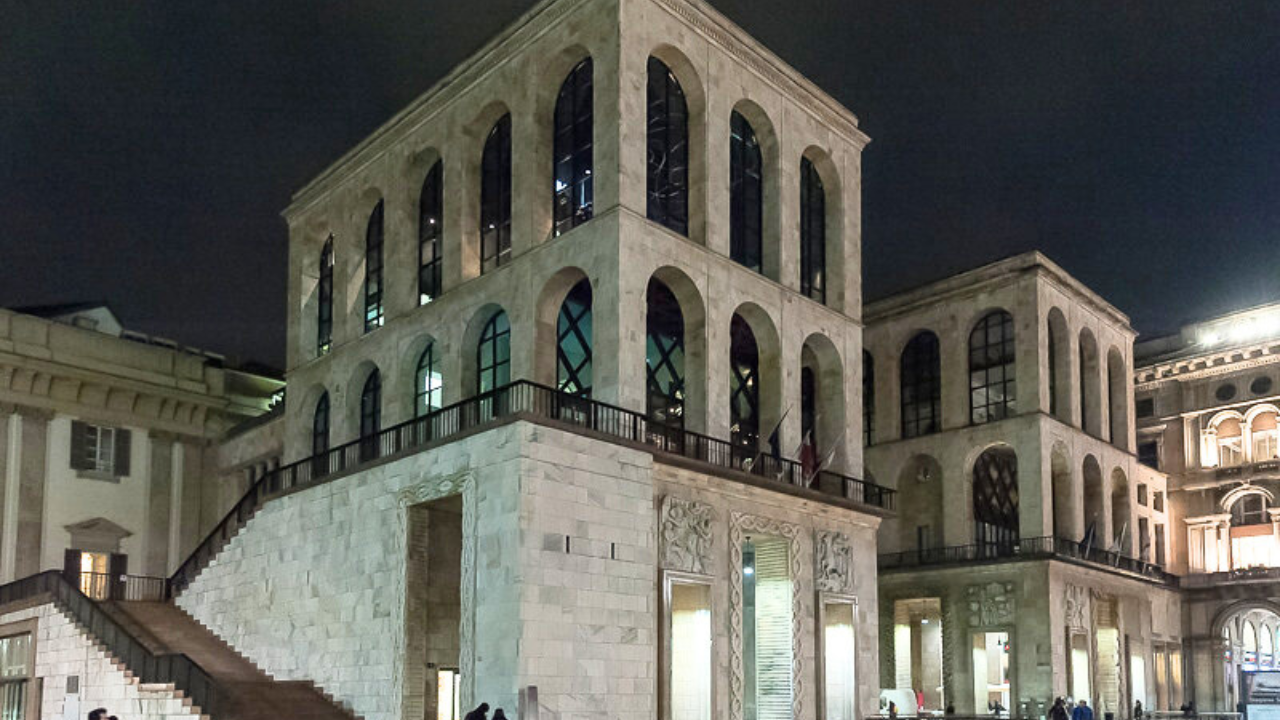
Even before you get deep into the art, the building experience matters. This museum sits in the Palazzo dell’Arengario, and the architecture is part of the story. It’s not just a container—it’s a landmark setting in its own right.
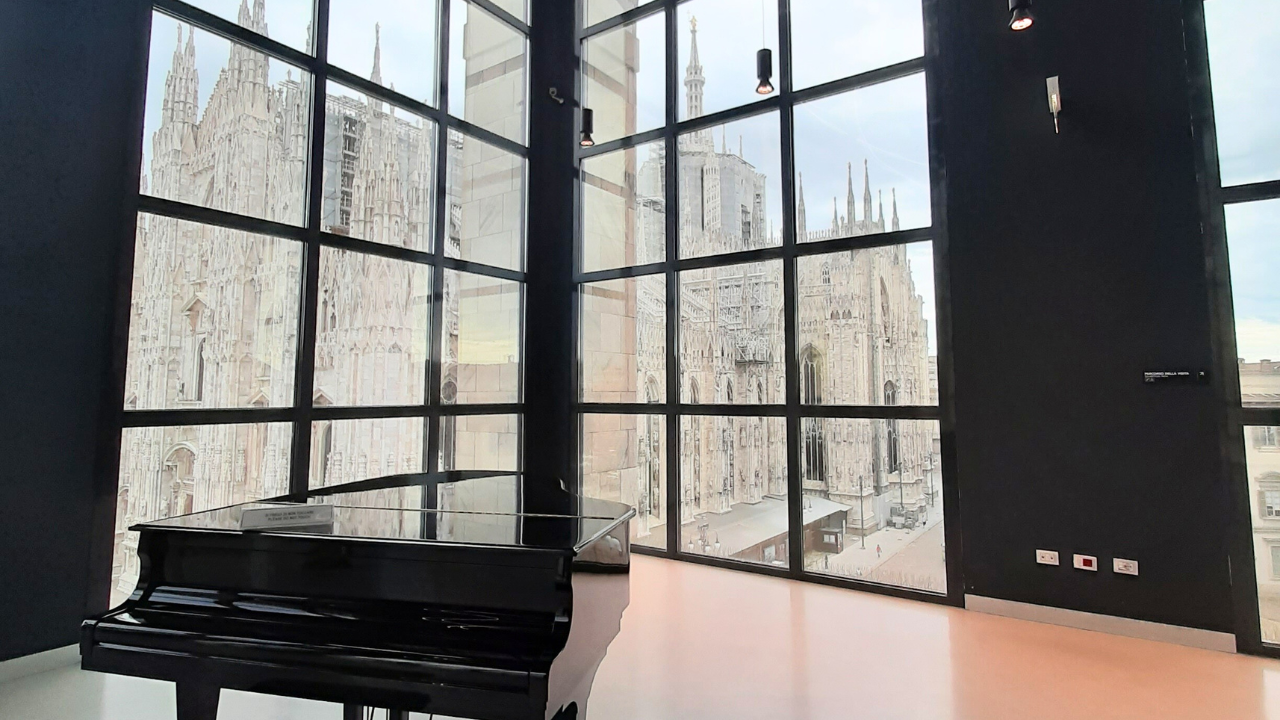
One of the highlights is a stunning view of the Duomo. That kind of payoff changes how a museum visit feels. Instead of being stuck indoors the whole time, you get a visual reminder of why Milan is famous: you’re in a city with monumental scale.
And the view can help you understand the museum’s tone. The Museo del Novecento is about 20th-century art—new ways of thinking, new styles, bold experiments. Standing somewhere with one of Italy’s most iconic skylines in view puts that art in a broader context: modern ideas arriving in a city known for grand, historic ones.
If you’re short on time, don’t spend your energy only on the audio. Take a pause for the view. It’s one of those “you’ll remember this” moments.
You can also read our reviews of more guided tours in Milan





What you’ll learn: 20th-century art movements through 40+ audio points
The Museo del Novecento’s focus is the art of the 20th century, and the audio guide is structured to help you connect the dots. The guide covers key Italian artists and major movements such as Futurism, Metaphysical Painting, Spatialism, and Arte Povera.
That list is a hint about what you’ll be walking through:
- Futurism helps explain energy, speed, and the idea of the modern world.
- Metaphysical Painting leans into mystery and staged stillness.
- Spatialism deals with how art can treat space as part of the message.
- Arte Povera is about materials, everyday things, and ideas that resist polished surfaces.
You won’t just get a list of titles. The guide is described as a narrative experience, aimed at myths, legends, and historical significance—plus architectural details and context. In practice, that means the audio stops are likely to tell you what to pay attention to: symbolism, style shifts, and the thinking behind each work.
Major artworks, explained in plain language
The highlight mentions learning about all the major artworks the museum offers. That’s exactly what you want in a self-guided setting. When you’re paying for a ticket plus an audio guide, you want the interpretation to cover the museum’s core, not just the corners.
If you’re visiting for the first time, this is especially valuable. Modern art can feel intimidating because it’s easier to get lost in style labels than to understand what the artist is trying to say. An audio guide that explains movements and gives you context helps you build a mental map quickly.
Timing tip so you don’t get audio-fatigued
After a few audio points, you can end up listening like it’s a podcast marathon. So do this: look, listen, then take one silent minute to re-check the work. The app gives you the story; your eyes give you the recognition.
That’s also how you avoid the main drawback of audio tours: feeling like you heard everything but retained nothing.
Navigating with the digital map: your anti-stress plan inside the museum
The museum experience is built around 40+ audio points of interest and a digital map. In self-guided museums, a map is everything. Without it, modern galleries can feel like a maze—especially if you’re stopping for photos, reading labels, or stepping into side rooms.
Here’s what I like about this structure: it tells you where to go next. You’re not left guessing which room matters or which audio stop you already missed.
When you’re using a map inside a museum, I’d avoid the common trap: trying to finish every stop in one go at full speed. Instead, follow the route, but let your pace flex. If something pulls you in, spend a little extra time there and accept that you’ll maybe skip one smaller stop. That’s better than rushing through a dozen works you don’t actually absorb.
Where the 2-hour limit can work in your favor
Two hours can sound short, but for this kind of focused modern art museum, it’s usually perfect. It pushes you to prioritize the major works and movement themes. It also keeps the visit from turning into a long, exhausting march.
If you like slow museums, you’ll probably want to come back another day. If you want a smart first visit, the 2-hour format is a good match.
Value check: $14 plus audio that actually helps you understand
Let’s talk value without hype. You’re paying about $14 per person for entry, plus a smartphone audio guide in four languages and a digital city guide add-on.
What you get that adds real value:
- interpretation that helps you read modern art
- structured stops so you don’t waste time deciding what’s important
- convenient entry with skip-the-line and mobile tickets
What you give up (because it’s not included):
- there is no guided tour with a live person
- no food or drinks (so you’ll need your own plan for breaks)
That last point matters if you’re the kind of traveler who needs a snack to keep going. The museum is open for long hours most days, but your ticket duration is 2 hours—so plan your meal before or after, not during.
Who this feels like a great match for
This is ideal if:
- you want modern art context without paying for a pricey private tour
- you like self-guided travel but still want structure
- you enjoy learning through storytelling and themes
- you’re visiting the Duomo area and want a museum that’s close and easy to manage
Who should book (and who might not love this format)
This museum audio tour is best for people who enjoy independent exploring. You’ll get the key movements—Futurism, Metaphysical Painting, Spatialism, Arte Povera—and you’ll follow a route with 40+ audio points and a digital map.
It may be less ideal if:
- you expect a live art specialist guiding every room
- you want a very “international” or English-only style experience (the app does include English, but it also offers multiple languages)
- you don’t want the responsibility of managing your phone, headphones, and battery life
One more practical fit note: it’s wheelchair accessible, so it’s a solid choice for visitors needing mobility-friendly options.
Should you book the Museum of the 900 audio guide?
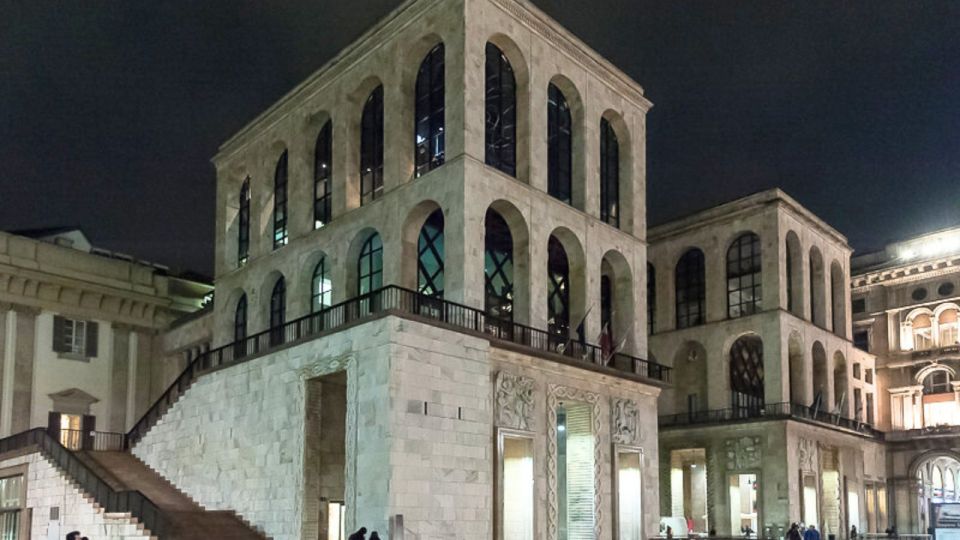
Yes—if you want a modern art museum visit that feels organized, not overwhelming. The big win is combining admission with an audio guide that’s designed for real understanding: major movements, major works, and plenty of audio stops to keep your attention. Add the Palazzo dell’Arengario setting and the Duomo view, and you get more than just indoor looking.
Book it especially if you’re the type who likes to learn while walking and you don’t want another day spent stuck in ticket lines. The mobile e-ticket system and skip-the-line entry make it easy to start.
Skip it (or consider another format) if you need a live docent to answer questions in real time or you know you’ll struggle with phone-based audio.
FAQ
Where is the Museum of the 900 located?
It’s at Piazza del Duomo, 8, in Milan.
How much does this experience cost?
The listed price is $14 per person.
How long is the visit?
The duration is 2 hours.
What languages are available for the audio guide?
The audio guide is available in English, German, French, and Italian.
Do I need to bring headphones?
Yes. You should bring headphones, plus a charged smartphone.
How do I get my tickets?
E-tickets are delivered via WhatsApp within 24 hours before your travel date from Vox City.
Can I skip the ticket line?
Yes, skip-the-ticket-line entry is included.
What are the museum opening hours?
It’s open Tuesday to Sunday from 10:00am to 7:30pm, and on Thursday it stays open until 10:30pm. It’s closed on Monday.
Is a guided tour included?
No. This includes entry and the digital audio guide, but not a live guided tour.