REVIEW · MILAN
Milan: Dining Experience at a Local’s Home
Book on GetYourGuide →Operated by Cesarine · Bookable on GetYourGuide
A home kitchen in Milan changes your perspective. This is a Cesarine dining experience at a local’s address, built around an exclusive cooking demonstration and a 3-course meal you eat with the people who made it. You’re not just ordering food and leaving. You’re in the rhythm of an Italian household, guided in English (and sometimes Italian), with family recipes that come from well-worn cookbooks.
Two things I really like: the story behind the food and the hands-on show cooking. Milan cuisine can feel intimidating from outside, but here you get a clear look at how dishes are assembled, tasted, and served. The second win is the small group size, capped at 8 participants, which makes the evening feel personal instead of staged.
One possible drawback to think about: the experience happens at a private home, and your host’s full address is shared only after you book. If you dislike last-minute logistics, you’ll want to pay attention to your email and confirm details early.
In This Review
- Key highlights you’ll care about
- How Cesarine Home Dining Works in Milan (and why it feels real)
- Your 2.5 hours: starter, pasta, dessert at a real Milan table
- Starter: learn the basics of the kitchen style
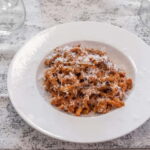
- Pasta course: where technique shows up
- Dessert: the warm finish
- The cooking demonstration: watch, ask, and connect to family recipes
- Drinks included in Milan: wine choices and coffee afterward
- Meeting point at a private address: how to make it smooth
- Group size matters: why up to 8 people is the sweet spot
- Price and value: what $100 gets you (and when it’s a yes)
- Dietary needs and language: plan ahead, stay flexible
- Who this Milan home dining experience is best for
- Should you book this Cesarine dining in Milan?
- FAQ
- Where do I meet my host?
- What’s included in the 2.5-hour experience?
- Are drinks included, and what do they include?
- How many people are in the group?
- Can they accommodate dietary requirements?
- What languages are used during the experience?
Key highlights you’ll care about
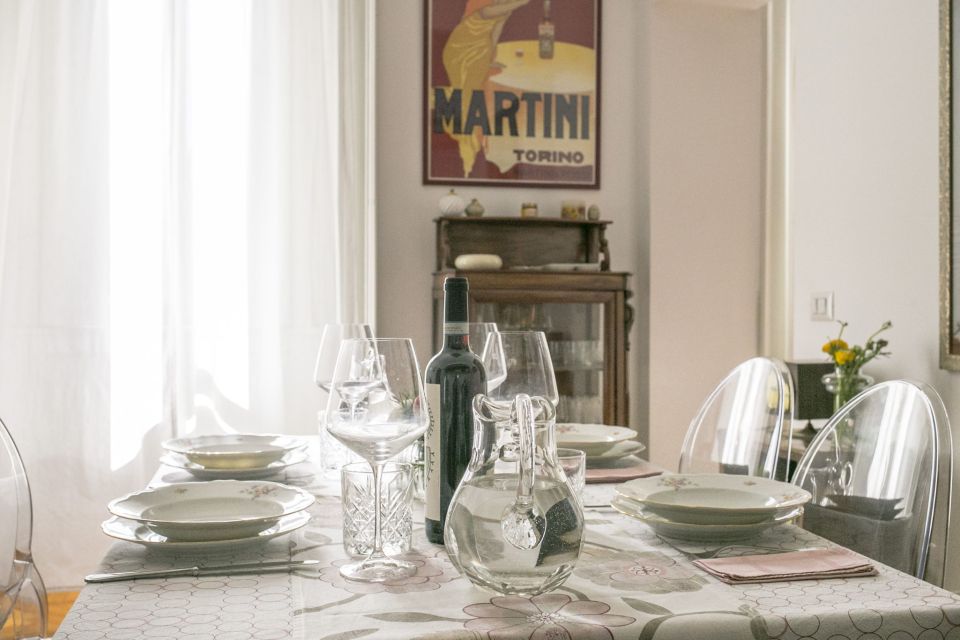
- Cesarine home cooks open their own doors and serve local specialties from family cookbooks
- Exclusive show cooking you can watch and learn from, not just a lecture
- 3-course menu: starter, pasta, dessert, served with included drinks
- Wine from regional cellars, plus water and coffee, included in the price
- Small group of up to 8, so it’s easier to ask questions and chat
How Cesarine Home Dining Works in Milan (and why it feels real)
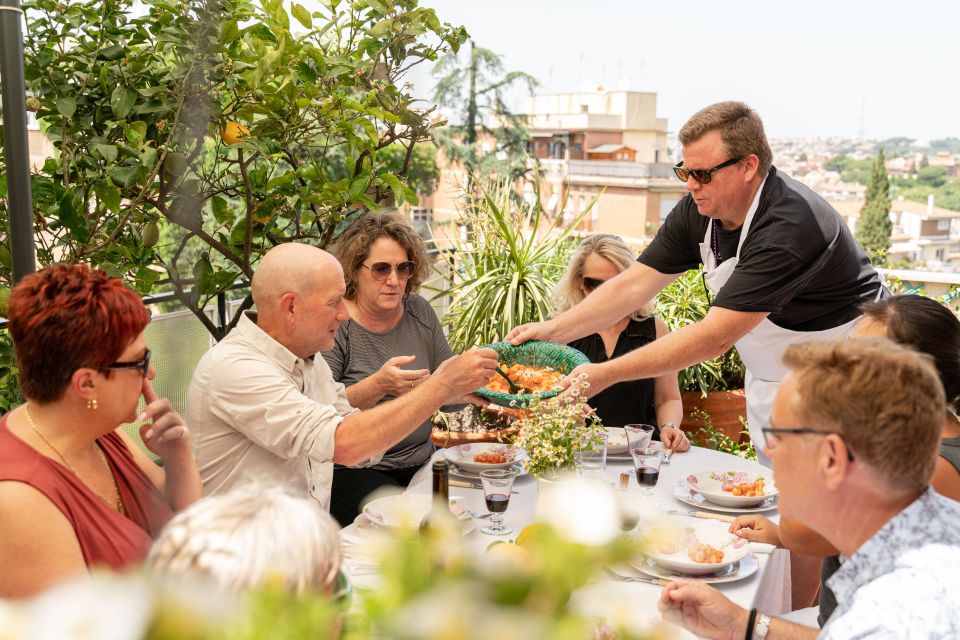
This experience is run by Cesarine, an Italian network of home cooks in 500 cities, using the very practical idea of “home cook” for what they do. In plain terms: you’re stepping into a real kitchen, not a restaurant back room. That matters, because Milan food culture is often about technique and family habits, not just recipes on a menu.
In the Cesarine model, hosts focus on local specialties from family cookbooks passed down through generations. The result is that you’re eating food that has been adjusted over time by real people, not performance food made for tourists. And because you’re with a small group, you actually get a sense of how dishes fit into everyday Italian dining life: pacing, portioning, the way conversation happens around the table.
I also like that the experience is bilingual-friendly. The instructor can work in English and Italian, so you’re not stuck translating everything yourself. If you want to practice a little Italian, you can, but you won’t be left out if you don’t.
You can also read our reviews of more tours and experiences in Milan

Your 2.5 hours: starter, pasta, dessert at a real Milan table
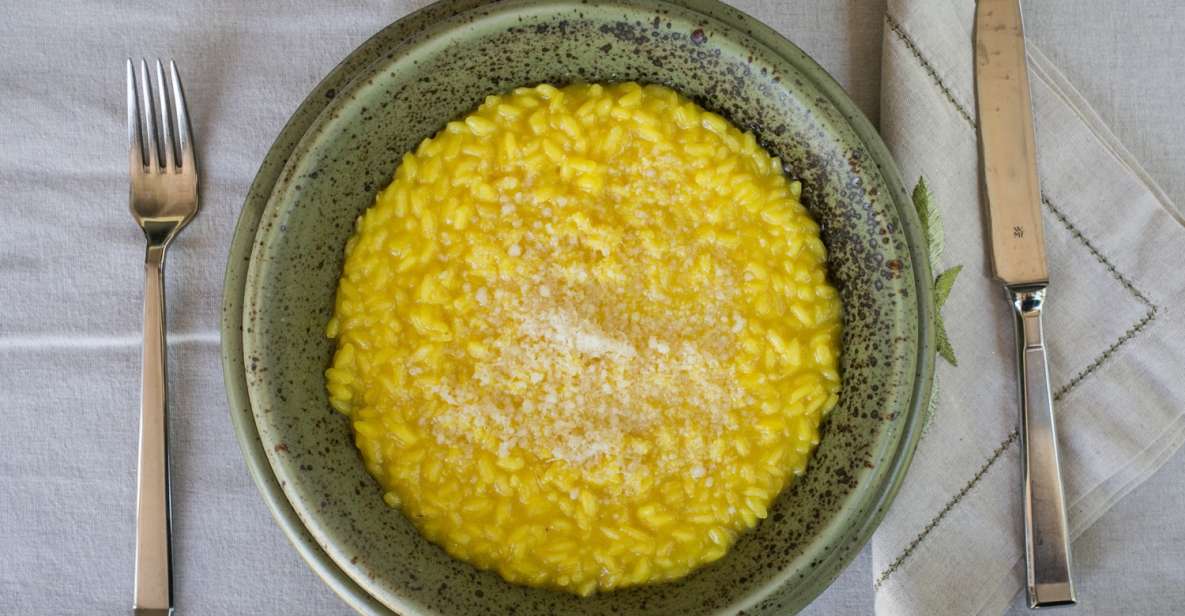
The whole meal runs about 2.5 hours, and it follows a simple, satisfying flow: starter, then pasta, then dessert. That structure is useful because it gives you time to watch the cooking demo and still settle into eating at a comfortable pace.
Here’s what you should expect during the courses:
Starter: learn the basics of the kitchen style
The starter course is where you get your first “what are we really eating tonight?” moment. Expect fresh, traditional dishes drawn from regional recipes. This is also a good time to ask questions about ingredients and method, because the host’s attention is still on setup and tasting.
Pasta course: where technique shows up
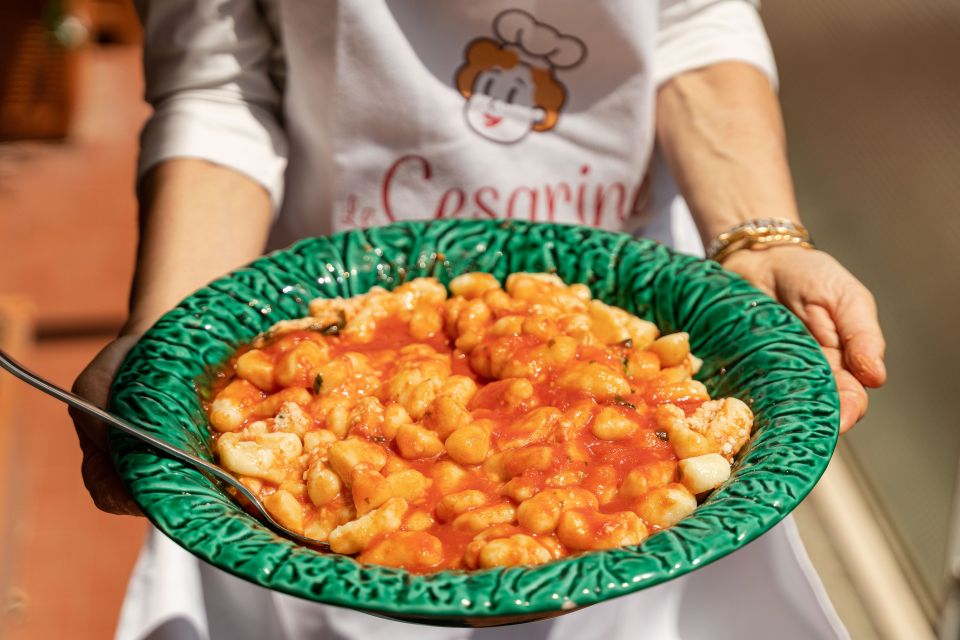
The pasta course is the centerpiece. You’ll get the feel of how pasta is treated as part of the meal, not just a dish thrown onto a plate. This is also usually where the show cooking demo tends to connect directly with what you’re about to eat—so you understand how flavors get built before you take your first bite.
Dessert: the warm finish
Dessert rounds everything out, and this part often brings out the “Mammas” influence most clearly. These are the kinds of recipes families save because they work, they taste good, and they suit the end of a meal with coffee afterward.
Between courses, you’ll sip your included drinks and get time to talk. The goal isn’t a rushed tasting line. It’s a shared meal.
You can also read our reviews of more tours and experiences in Milan

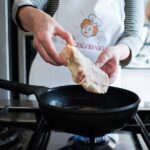
The cooking demonstration: watch, ask, and connect to family recipes
This is an experience with an actual point: you’ll see cooking in action, guided by your host. The demo isn’t just entertainment. It’s there so you can understand why certain steps matter and how a familiar recipe becomes specific to one family’s style.
Cesarine hosts use family cookbooks as the backbone of the menu. That’s where the “treasured recipes” idea becomes practical: the host can explain what the cookbook says, and then connect it to what they do in their own kitchen now. You get stories along with the method.
When you talk to hosts, you’ll likely notice that they treat food like community. For example, I’ve heard of hosts such as Enrico and his wife being especially welcoming, which makes sense. If the kitchen is the classroom, the dining table is the conversation space.
And yes, you’ll taste what you see. That direct feedback loop is what makes the learning stick. You’re not memorizing. You’re tasting.
Drinks included in Milan: wine choices and coffee afterward
Food in Italy is only half the story. The other half is what you drink and how the meal ends.
Your included drinks are:
- Water
- A selection of red and white wines from regional cellars
- Coffee
This is good value because the wine portion alone can add up in Milan, especially when you’re used to restaurant markups. Here, the wine is part of the pacing of the meal, not an add-on that interrupts you.
A small, practical tip: pace yourself. The meal runs for about 2.5 hours, and you’ll be tasting while learning. If you want to take notes, ask questions, and actually remember the flavors, go steady and let the host guide the flow.
Meeting point at a private address: how to make it smooth
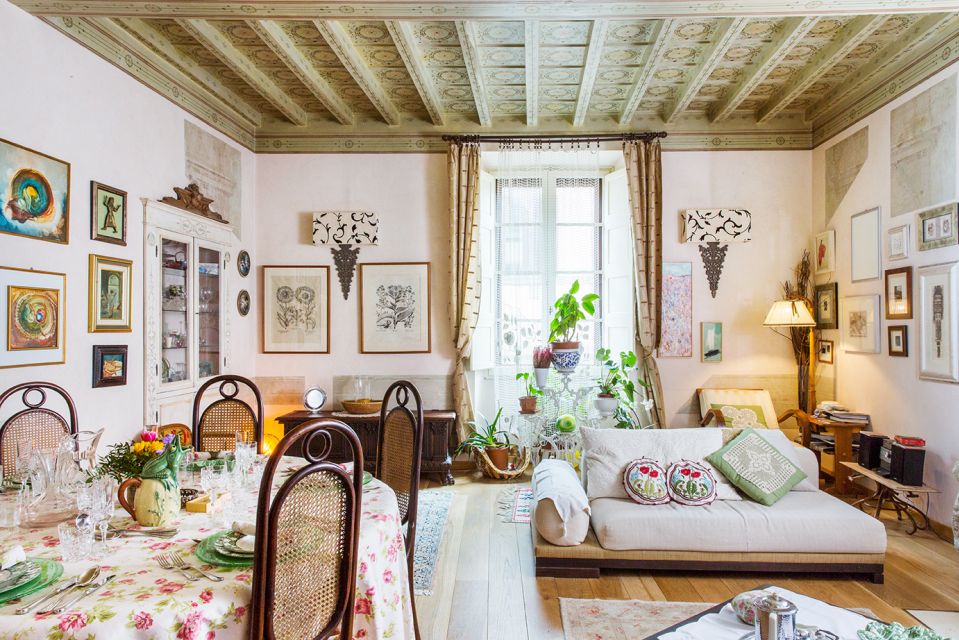
One detail that really affects your evening: the meeting point is your host’s home, and you ring the doorbell when you arrive. After you book, customer care emails your host’s full address and mobile number.
So, what should you do to avoid stress?
- Watch your email after booking, and save the address and phone number.
- Give yourself a little extra time for transit and finding the building entrance.
- If you’re running late, you have a mobile number to contact.
Because this is a home visit, the timing is tighter than a museum meetup. You don’t want to be hunting the street at the exact moment the meal is getting underway.
Group size matters: why up to 8 people is the sweet spot
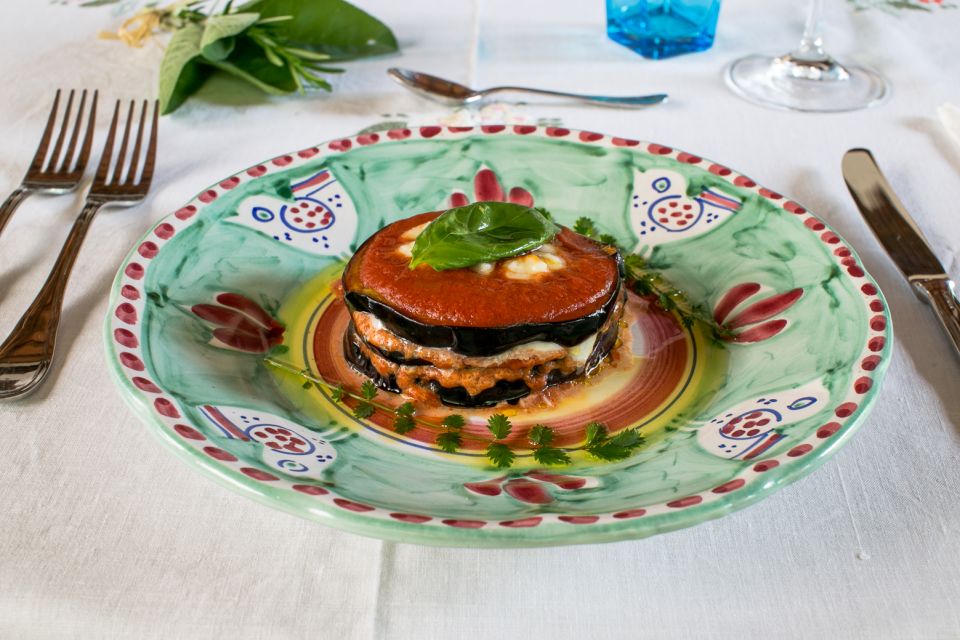
This is limited to 8 participants, which is exactly what makes it feel humane. A small group means you can ask questions without shouting across a table. It also means the host can keep an eye on how you’re doing: whether you’re taking notes, whether you’re curious about ingredients, or whether you just want to enjoy the meal without interruptions.
There’s also a social upside. Even if you’re traveling solo or as a couple, the environment makes conversation easier. I’ve seen this kind of setting work well for surprise moments too, especially when one person wants an experience rather than another dinner reservation.
Price and value: what $100 gets you (and when it’s a yes)
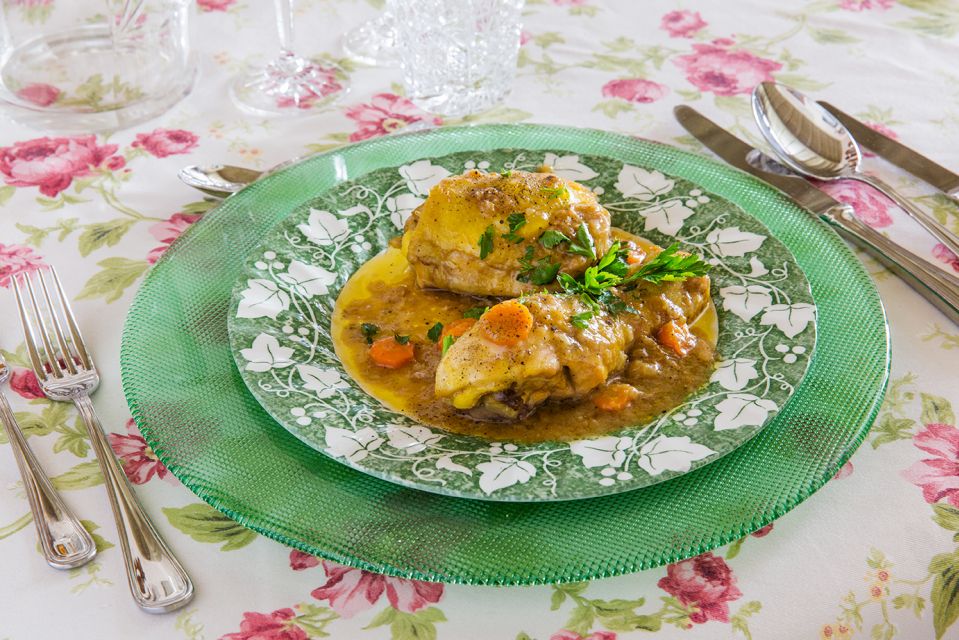
At $100 per person for a 2.5-hour home-cooked meal, you should think of this as a package: food + instruction + wine + coffee + a private-host experience.
Here’s what you’re actually buying:
- 3 courses (starter, pasta, dessert)
- A cooking demonstration
- Included drinks: water, red and white wine, and coffee
- A small-group setting inside a real Milan home
That’s not the same value as a quick restaurant meal. But it is strong value if you want something you can’t replicate by yourself. You could cook Italian food at home, sure. But you can’t easily reproduce the family cookbook angle, the specific method your host uses, and the conversation that comes with it.
This is a good fit if you like food with context. If you only want calories with minimal talking, you might find the focus on the cooking demo less useful.
Dietary needs and language: plan ahead, stay flexible
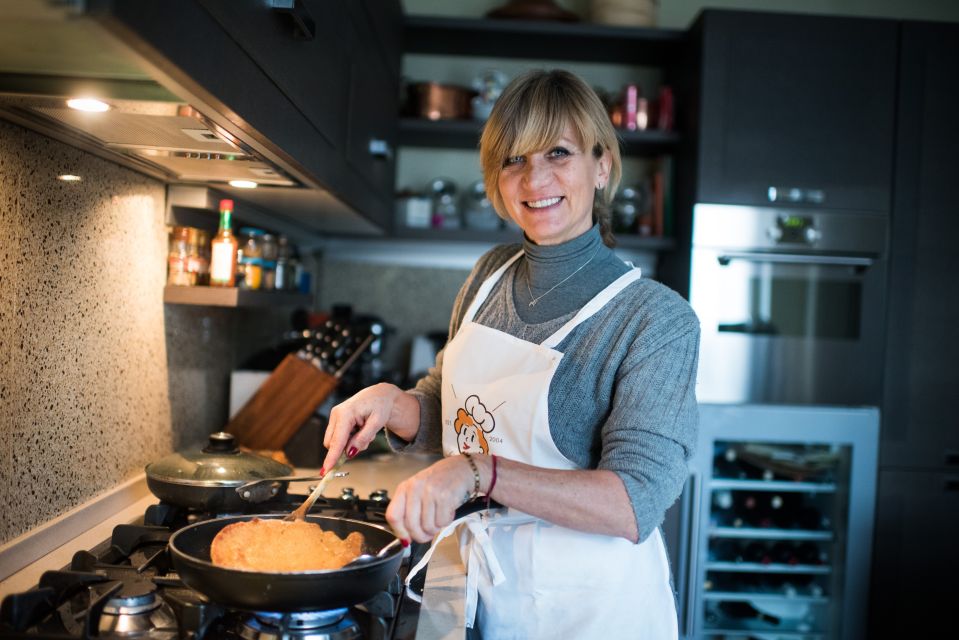
Dietary requirements can be accommodated, but you need to confirm them directly with the organizer after booking. So if you have allergies, vegetarian needs, or other restrictions, handle it early. Don’t wait until the day of the meal.
Language-wise, the instructor can work in English and Italian. If you want to practice Italian, you’ll probably find chances to do it naturally. If you prefer English, you should be fine as the host explains the recipes and steps.
Also, remember the menu is tied to local specialties from the host’s family repertoire. That’s part of the authenticity. The trade-off is that you won’t get a sterile, identical menu every time.
Who this Milan home dining experience is best for
I’d book this if you’re the type of traveler who likes:
- Food that comes with a method, not just a dish name
- Small-group, personal experiences
- Learning from local hosts in a way that feels respectful, not performative
It’s also a strong option for couples who want a memorable night in Milan without the hassle of arranging it themselves. A meal at someone’s table tends to feel warmer than the usual tourist loop.
If you’re traveling with a group of friends, it can still work because the max group size keeps things intimate. But if you’re a big party, you might end up split across experiences depending on availability.
Should you book this Cesarine dining in Milan?
Yes, if you want a real Milan cooking lesson paired with an actual dinner plan. The combination of show cooking, family-recipe storytelling, and included wine is what makes this worth your time and money. It’s also one of the few food experiences where the setting is genuinely part of the value: you’re eating where the recipe culture lives.
Skip it if you need a highly predictable, restaurant-style meal with minimal interaction, or if you strongly dislike addresses shared later by email. The timing and location depend on the host home, so it’s best when you’re comfortable checking details and arriving on time.
If you book, do one simple thing: bring curiosity. Ask about the ingredients and what makes the family recipe theirs. That’s where the experience turns from tasty into memorable.
FAQ
Where do I meet my host?
You meet at your Cesarine host’s home address. After you book, you’ll receive the full address and a mobile number by email.
What’s included in the 2.5-hour experience?
You get a 3-course meal (starter, pasta, dessert) plus a cooking demonstration.
Are drinks included, and what do they include?
Yes. Drinks included are water, a selection of red and white wines from regional cellars, and coffee.
How many people are in the group?
The group is limited to a small group of up to 8 participants.
Can they accommodate dietary requirements?
Dietary requirements can be accommodated, but you must confirm details directly with the organizer after booking.
What languages are used during the experience?
The instructor can work in English and Italian.