REVIEW · MILAN
Milan: Villa Necchi Campiglio Entry Ticket
Book on GetYourGuide →Operated by FAI - Fondo Ambiente Italiano · Bookable on GetYourGuide
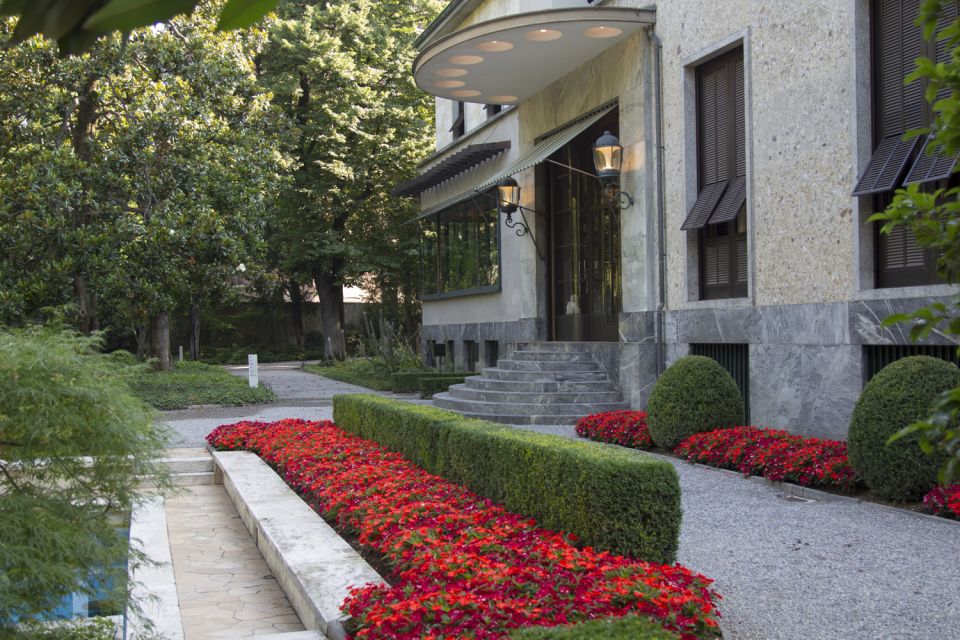
A Milan pause in plain sight. Step inside Villa Necchi Campiglio, a glamorous 1930s home by architect Portaluppi, tucked close to the fashion district yet surrounded by quiet green space. The setting makes it easy to slow down and look at how style, money, and daily life met during Milan’s interwar years.
I love how close the experience feels to domestic architecture. You’re not just staring at a façade—you move through rooms where the design choices are the story, and you can see how the interiors were shaped over time.
One thing to plan for: some parts of the property may not be open at your time slot (the basement wasn’t available on one visit). Also, language can vary, so if you want English throughout, come with that expectation.
In This Review
- Key highlights you’ll actually care about
- Why Villa Necchi Campiglio Works So Well in 1 Hour
- Price and Value: Is $17 a Good Deal for Milan?
- Getting There Without Losing Time: Via Mozart Is the Key
- First Look: The Villa Exterior and the Garden Mood Switch
- Inside the 1930s House: Architecture, Art, and Everyday Luxury
- A note on access: basement not always open
- The Family Story You’re Stepping Into
- Garden Time: Where the Peace Actually Happens
- Staff and Docents: When Explanations Improve Everything
- Who Should Book This Entry Ticket (And Who Might Not)
- Practical Tips to Make the Visit Feel Effortless
- Should You Book Villa Necchi Campiglio Entry Ticket?
- FAQ
- How long is the Villa Necchi Campiglio entry ticket experience?
- What is included with the ticket?
- What is the price per person?
- Where do I go for the meeting point?
- Is food included?
- Is the villa wheelchair accessible?
- Is there free cancellation?
- Can I reserve now and pay later?
- What language should I expect?
Key highlights you’ll actually care about
- 1930s design by Portaluppi: see a villa built for an elite Milan lifestyle
- A peaceful garden near Via Montenapoleone: calm contrast to the shopping streets
- Art and refined interiors: luxury that feels tied to real daily living
- Staff and docents inside: you’ll often find explanation in many rooms
- About 1 hour pace: enough time to enjoy it without turning it into a marathon
- Wheelchair accessible: the visit is set up to work for mobility needs
Why Villa Necchi Campiglio Works So Well in 1 Hour
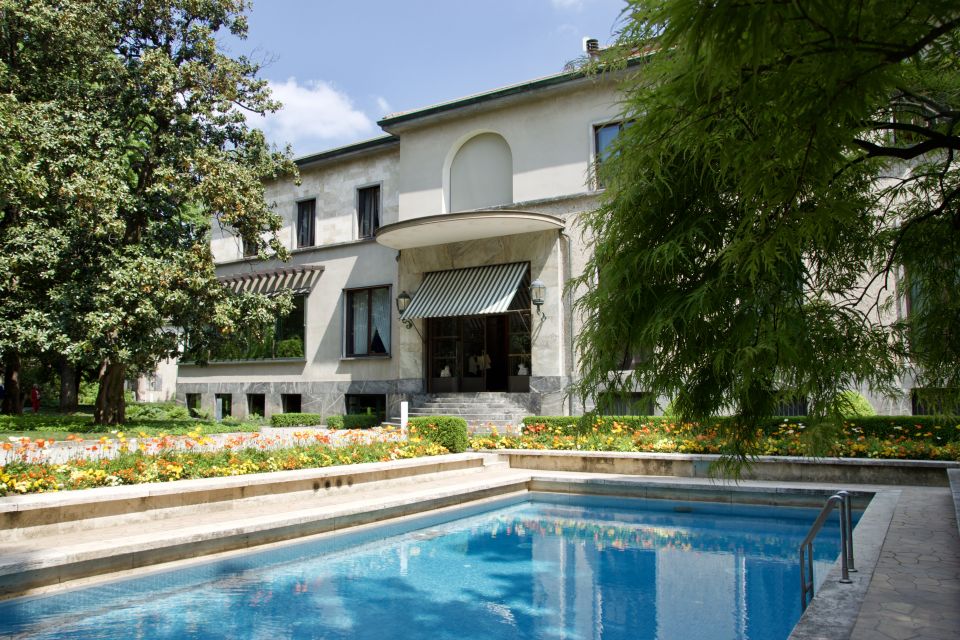
Villa Necchi Campiglio is one of those places where Milan’s reputation for elegance becomes physical. You walk in, and suddenly the pace changes. Instead of crowds and traffic, you get rooms planned around comfort, light, and display—plus a garden that makes you forget you’re in the Lombard capital.
The big appeal is that you’re looking at a specific era, not a generic museum box. The villa is tied to the interwar world, and you can feel the intermix of art, taste, and status in the way spaces are arranged. It’s romantic in the practical sense: the building is made for living, not just posing.
And yes, the setting helps. You’re not far from Via Montenapoleone, so you can pair this with fashion-area wandering. But the atmosphere inside feels removed from it all. That contrast is a real part of the value.
You can also read our reviews of more tours and experiences in Milan


Price and Value: Is $17 a Good Deal for Milan?
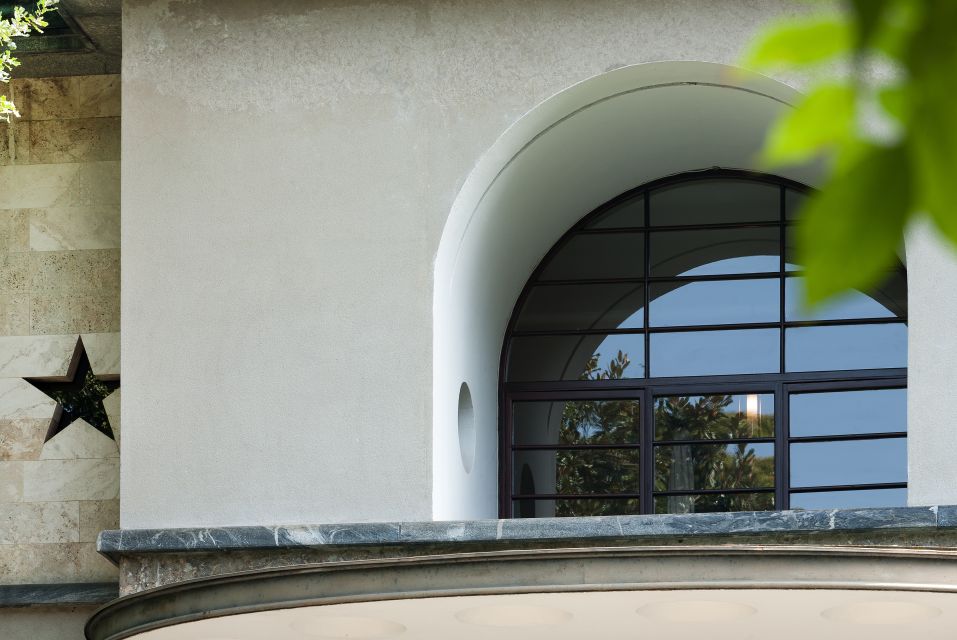
At about $17 per person, the math is pretty friendly for Milan. You’re buying access to a preserved home, not a quick photo stop. With the visit lasting around 1 hour, you get a focused experience that won’t eat your whole day.
Here’s how I think about value: in Milan, many paid attractions compete with your time and energy. Villa Necchi Campiglio works because it’s compact. You can enjoy architecture, interiors, and garden without needing a long schedule or complicated transportation.
Also, this ticket is only entry. That can sound limiting, but it’s often what keeps the experience grounded. You spend your budget on the house itself, then you can decide what to do next—shopping, a café break, or a longer meal somewhere else in town. One review even noted how calm it felt during a holiday morning, which tells you the experience can feel personal even in a busy city.
Getting There Without Losing Time: Via Mozart Is the Key
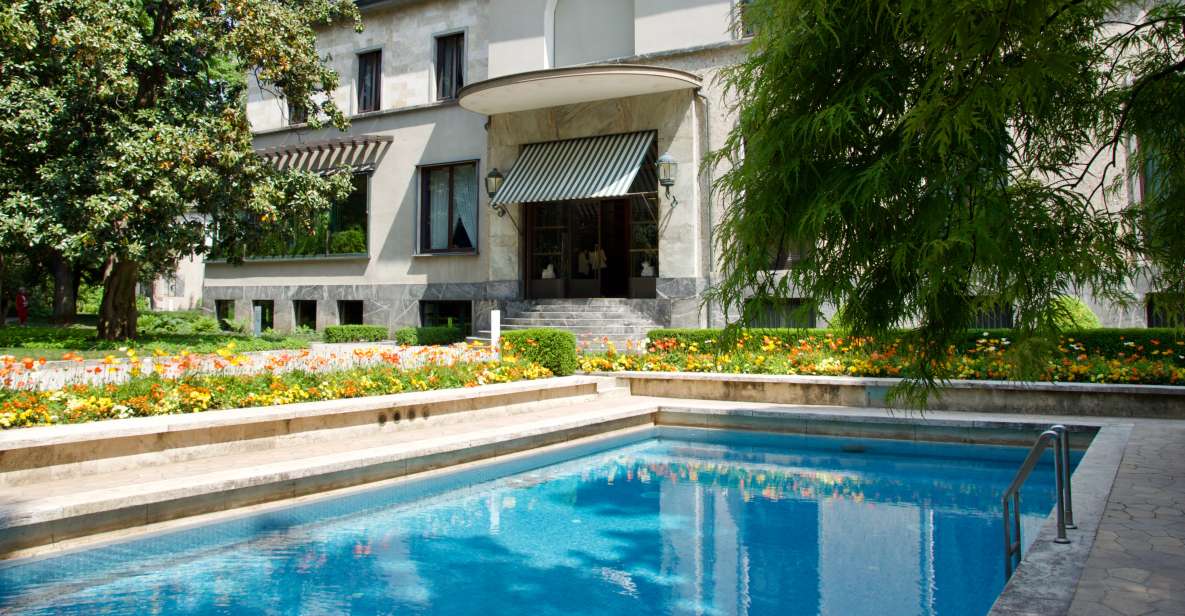
Good news: the location is convenient. Villa Necchi Campiglio is about 10 minutes walking from San Babila, and it’s near the fashion district area.
Bad news: directions can mess with you. One visitor specifically warned to ignore Google Maps directions because the entrance is on Via Mozart. Another tip was practical: don’t wait at the street entrance. The visit starts inside—so pass through the correct entrance area and get inside first.
So your mini-plan:
- head to Via Mozart for the meeting point
- pass the entrance rather than hovering outside
- go in and follow the on-site flow
This saves you the awkward start-stop that ruins the first 10 minutes of a short visit.
First Look: The Villa Exterior and the Garden Mood Switch
The moment you start noticing the garden, you get why this place is so satisfying. Reviews describe the peace you feel when the noise of central Milan falls away. The garden is part of the experience, not decoration.
You might see details that people remember long after they leave—like a blue-turquoise swimming pool and bright orange poppies with giant green ferns around it. Even if your visit looks slightly different depending on season, the point is consistent: it’s designed for leisure.
And don’t treat the garden like a quick loop. If you pace yourself, you’ll understand the villa’s layout better. The outdoor spaces are connected to the interior life. Sitting breaks are part of that “interwar glamour” feeling, even if you’re just pausing with a bottle of water.
Inside the 1930s House: Architecture, Art, and Everyday Luxury
This is where Villa Necchi Campiglio earns its reputation. It’s an icon of Italian romanticism, but it’s also an education in design thinking. The villa was originally designed by architect Portaluppi, and you can see how the building balances formality with comfort.
Here’s what you should look for as you move room to room:
- How rooms flow: the way doors, sightlines, and space are arranged
- The display logic: art and objects feel placed for living, not just for curators
- Interior changes over time: one review described how you can view changing interior design tastes, which makes the villa feel lived-in rather than frozen in one moment
In many rooms, you may find docents explaining details if you ask. That matters because the villa’s charm is partly visual—but the meaning lands faster when someone connects design choices to family life.
Some visitors also described the experience as more self-guided in terms of how you move through the house, with staff available to answer questions. That usually works well if you like independence but want help when you’re curious.




A note on access: basement not always open
One drawback you should know upfront: the basement wasn’t available on at least one visit. If your main goal is to see every possible level, keep expectations flexible and focus on the rooms and grounds that are open.
The Family Story You’re Stepping Into
Villa Necchi Campiglio isn’t just architecture. It’s a home built around a specific family’s life, and that gives everything context.
The best way to think about it: you’re not studying “wealth” as an abstract idea. You’re seeing how choices show up in real spaces—where art is placed, how rooms are shaped, and how everyday comfort becomes part of a public image.
Reviews repeatedly point to how staff share knowledge and clearly care about the house. That makes the history feel personal instead of lecture-like. If you can, ask simple questions like what you’re looking at or why certain elements were chosen. Most of the time, you’ll get an answer that helps the room click.
One review also tied the villa to the film Io Sono Amore (I Am Love), saying it had been a long-time fascination. That’s a common effect with preserved villas: the place becomes familiar before you even arrive, then it becomes more real once you walk through.
Garden Time: Where the Peace Actually Happens
The garden is not a side dish. It’s a major reason the ticket feels worth your time.
You’re likely to notice:
- the pool area and its color impact
- seasonal flowers, such as orange poppies (mentioned in a review)
- lush plant textures like giant ferns (also mentioned)
Even if you’re not a big “plants” person, you still benefit. The garden gives your eyes a rest after indoor rooms full of detail. It also helps you appreciate how Milan’s interwar lifestyle included outdoor relaxation.
And because you’re in a villa property, the garden can feel more like a private estate than a public park. That’s what makes it memorable for people who were searching for quiet in the middle of Milan—like one visitor who arrived after labor day demonstrations and felt immediate peace on entry.
Staff and Docents: When Explanations Improve Everything
One of the most praised aspects is the way staff are present without taking over your visit. Reviews describe friendly staff and docents in many rooms, with plenty of explanation available if you ask.
Language is the one variable. One experience noted that the tour could be in Italian, while another said most staff spoke serviceable English. Translation isn’t something you should count on for every room, but you can usually get the key ideas even with basic questions.
If you want the smoothest experience:
- keep your questions simple
- point to what you’re looking at
- ask what makes this design choice unusual
This turns the house from pretty to meaningful.
Who Should Book This Entry Ticket (And Who Might Not)
This ticket fits best if you enjoy any of these:
- architecture and interior design
- art in domestic settings
- interwar-era style and Milan’s elite past
- a calm, contained activity that pairs with the center of town
A couple review summary points were telling. One person described it as fascinating, especially for an architecture background. Another admitted it might feel slow or a bit boring if your partner isn’t into art and design—though they still found the whole place interesting enough for the architecture-minded person.
So here’s my honest take: if you like beauty with context, you’ll likely enjoy it. If your idea of a great visit is motion, noise, and big crowds, this might feel too quiet.
Practical Tips to Make the Visit Feel Effortless
Villa Necchi Campiglio is short—about 1 hour—so small choices matter.
1) Plan a tight schedule
Think of this as a “one compact stop” attraction. It’s ideal before or after time near Duomo or Via Montenapoleone, because it won’t swallow the day.
2) Start with the right entrance
Go to Via Mozart for the entrance. Don’t lose 10 minutes outside trying to interpret maps. Pass inside, then begin.
3) Ask for help when you want it
Docents are often in many rooms. If you’re curious, don’t be shy about asking.
4) Bring your expectations about access
If the basement isn’t open on your day, don’t be disappointed. Focus on the rooms and garden that are available.
5) No food is included
You won’t get a meal with the ticket. If you want refreshments, plan that separately.
Should You Book Villa Necchi Campiglio Entry Ticket?
Book it if you want a high-style Milan break that doesn’t require a whole day. The value is strong for a $17 entry ticket: you get a 1930s villa by Portaluppi, art-filled interiors, and a garden that feels truly restful. It’s also a solid pick if you like asking questions and learning as you go, since staff and docents are there.
Skip or reconsider if you’re mainly hunting for big-ticket “must-see” landmarks, or if you need guaranteed access to every part of the property. Language can also be a factor, since some tours may be in Italian and English isn’t guaranteed for every room.
If you’re on the fence, think of it like this: this is one hour of quiet elegance in the city center. That’s a rare type of souvenir.
FAQ
How long is the Villa Necchi Campiglio entry ticket experience?
It lasts about 1 hour. You can check availability to see starting times.
What is included with the ticket?
Your ticket includes entry to Villa Necchi Campiglio.
What is the price per person?
The price is listed as $17 per person.
Where do I go for the meeting point?
Go to the entrance of Villa Necchi located on Via Mozart.
Is food included?
No. The ticket does not include any food or restaurant service.
Is the villa wheelchair accessible?
Yes, the activity is wheelchair accessible.
Is there free cancellation?
Yes. You can cancel up to 24 hours in advance for a full refund.
Can I reserve now and pay later?
Yes. The option says you can reserve your spot and pay later.
What language should I expect?
One note says the visit/tour could be in Italian, while another review said most staff spoke serviceable English.