REVIEW · MILAN DUOMO
Milan: Cathedral, Archeological Area and Museum Ticket
Book on GetYourGuide →Operated by Veneranda Fabbrica Duomo di Milano · Bookable on GetYourGuide
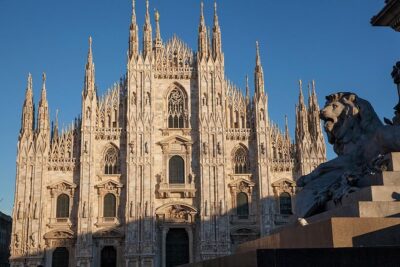
Under the Duomo, history is still under your feet. I like that this ticket bundles cathedral entry without the long wait with the less-famous archaeological area beneath the church. I also like that it doesn’t stop at big views, because you get the dedicated Duomo Museum afterward to understand how this place was built and repaired over centuries.
The main thing to watch is expectations: terrace access is not included, and the cathedral complex can be crowded, so you’ll want a clear plan to use your time well. Also keep the dress code in mind (knees and shoulders covered), or your entry will get slowed or denied at security.
In This Review
- Key points to know before you go
- Milan Duomo Ticket: Why It’s Worth the Time
- Entering the Duomo Cathedral: What to Do First
- Archaeological Area Under the Duomo: Baptistery Ruins You Can Actually See
- Duomo Museum: Construction Models and the Cathedral’s Repair Story
- Scurolo di San Carlo: The Included Stop People Don’t Plan For
- Wednesday Closures and How to Plan Your Two-Day Window
- Price and Value: Paying $22 for More Than a Waiting Line
- The Terrace Question: What’s Included and What Requires a Separate Ticket
- Dress Code, Security Lines, and Rules That Slow You Down
- Crowds: How to Have a Good Visit Anyway
- Who This Works Best For (and Who Might Skip the Museum)
- Should You Book This Duomo Cathedral, Archaeological Area, and Museum Ticket?
- FAQ
- What’s included in the Milan Cathedral ticket?
- Is terrace access included?
- Where do I scan my voucher for entry to the Duomo?
- Where is the Duomo Museum entrance?
- Is the museum open every day?
- What time is the last entry?
Key points to know before you go
- Skip-the-line entry to the Duomo Cathedral helps you start seeing faster.
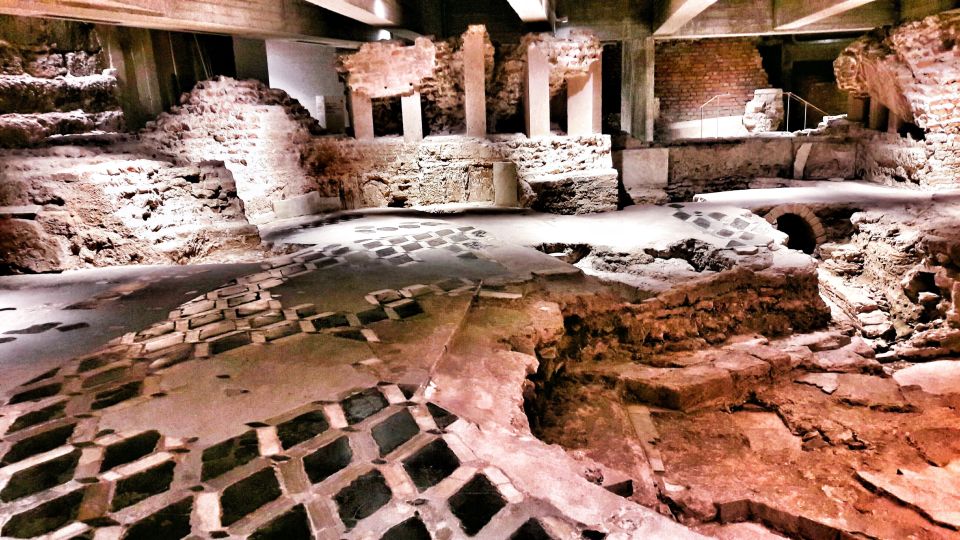
- Archaeology under the Duomo includes the ruins of the Baptistery of San Giovanni alle Fonti and the Basilica of Saint Thecla.
- Duomo Museum adds models and artwork that explain the cathedral’s construction story.
- Scurolo di San Carlo is included, so you get more than just the nave and museum rooms.
- Terrace access needs a separate ticket, so plan roof views ahead of time.
- Last entry is 5:50 PM for all areas, and the museum is closed on Wednesdays.
Milan Duomo Ticket: Why It’s Worth the Time
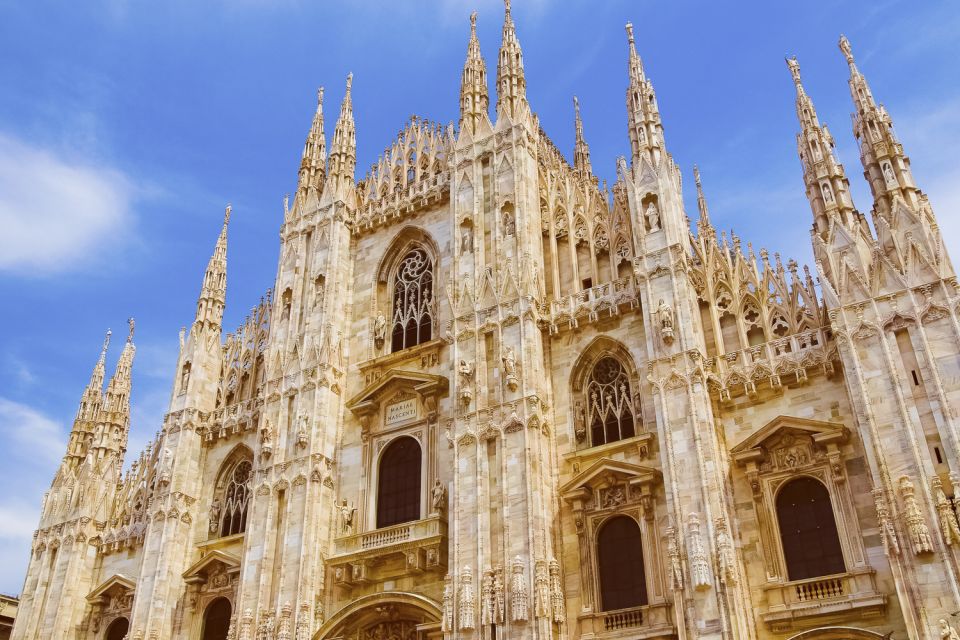
The Duomo is one of those places where “just walking in” isn’t enough. The real magic is how layered it is—medieval worship on top, older remains below, and centuries of design changes explained nearby. This ticket is built for that full picture.
You’re not just buying entry to a church. You’re getting three connected experiences: the cathedral itself, the archaeological area under it, and the Duomo Museum. That combo matters because the Duomo looks like one monument, but it’s actually a long-running project shaped by many generations.
At $22 per person, the value comes from coverage. You get multiple sites that you would otherwise have to line up for separately, and you’re also able to keep things flexible with a two-day validity window (as long as you follow the last-entry time).
You can also read our reviews of more tours and experiences in Milan Duomo.
Entering the Duomo Cathedral: What to Do First
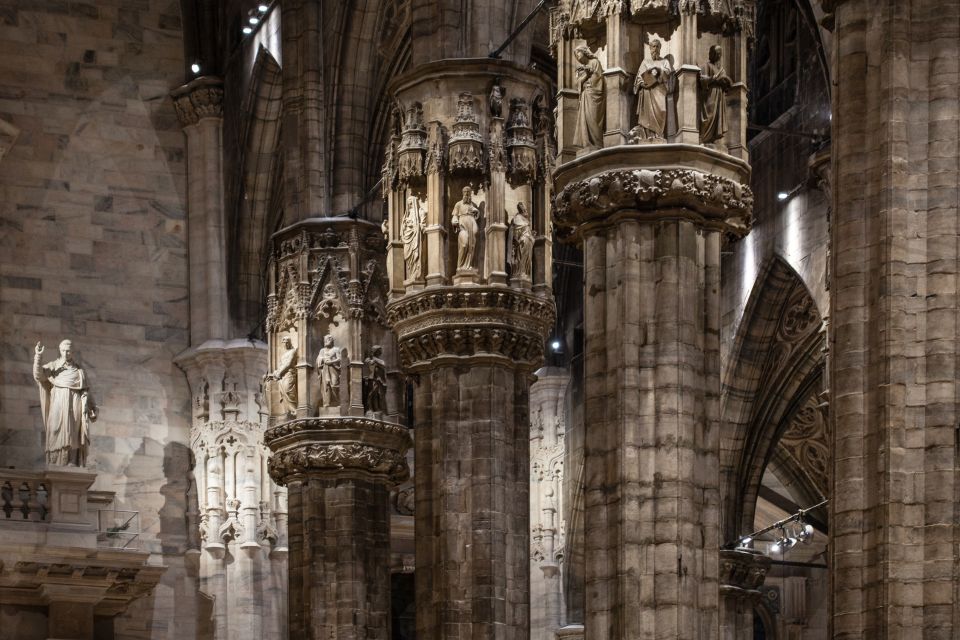
Plan to start with the security check in front of the attraction. You’ll scan the barcode from your voucher to access the Duomo area. This is one of those practical moments where speed helps: once you’re through security, you can focus on the interior instead of losing time in process.
Inside, the Duomo experience is about detail. The cathedral is famous for its sculptural style, and you’ll also notice how the interior blends art and faith—places designed to guide your eye upward and across architectural storytelling. If you’re visiting on a busy day, give yourself permission to move slowly when you spot something that catches your attention, then speed up again when you’re ready to cover ground.
Keep in mind that each area can only be visited once. That means you shouldn’t bounce around randomly. Instead, decide your order and stick to it.
Archaeological Area Under the Duomo: Baptistery Ruins You Can Actually See
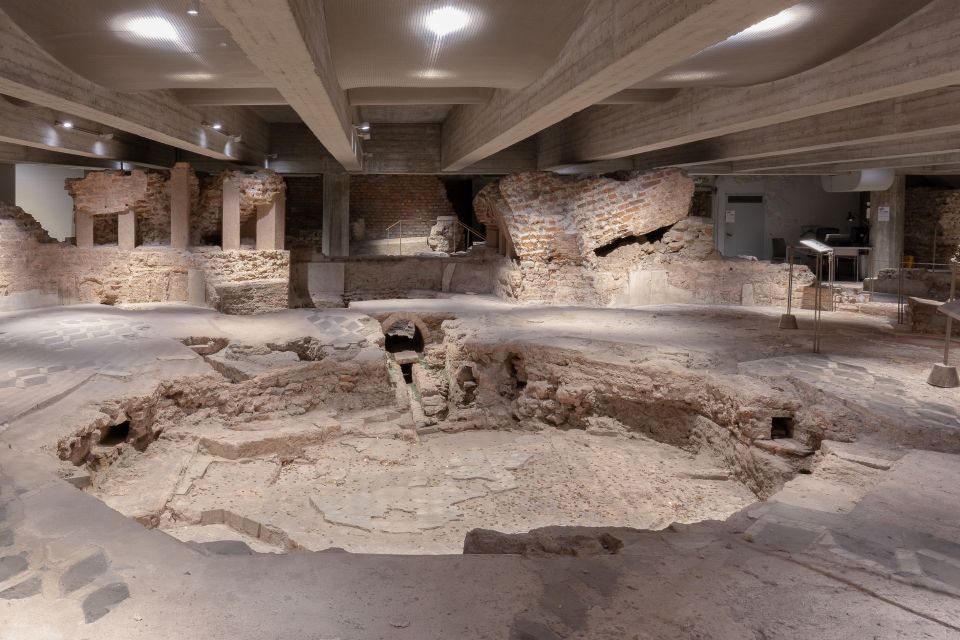
This is the part many people miss because it sits under the big headline attraction. Here, you go beneath the cathedral and encounter ruins that connect the Duomo to earlier Milanese religious life.
Expect to see the ruins of the Baptistery of San Giovanni alle Fonti. You’ll also learn about the 4th-century Basilica of Saint Thecla. Seeing these remains in a controlled museum setting changes how you understand the Duomo above: it stops being only a medieval landmark and becomes part of a much longer timeline.
In practical terms, this area is valuable because it’s different. The cathedral is visual spectacle; the archaeological section is evidence. It’s also a good option when crowds inside the cathedral feel overwhelming, because it gives your eyes a different kind of work—reading space, layout, and age rather than surface decoration.
One caution: keep your pace steady. The sites work best when you give each space enough time to register what you’re looking at.
Duomo Museum: Construction Models and the Cathedral’s Repair Story
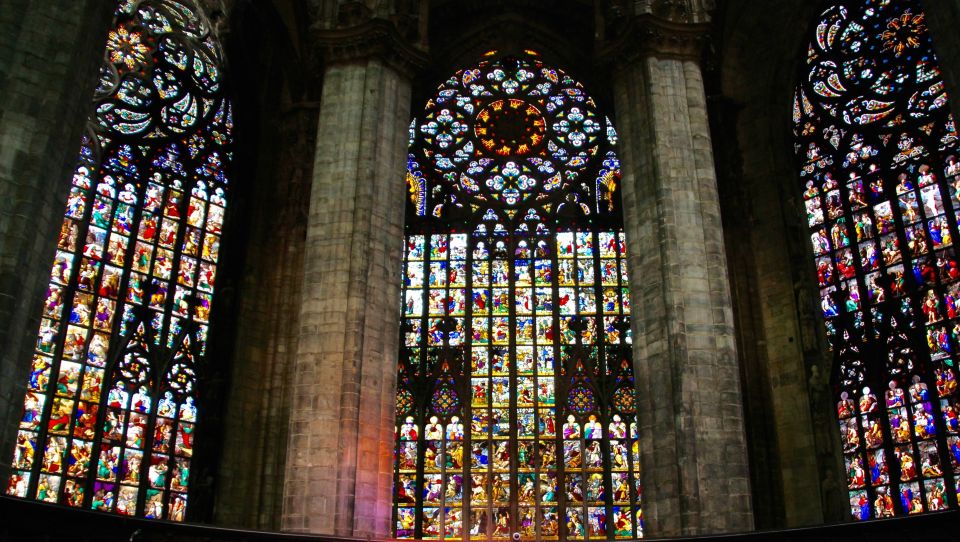
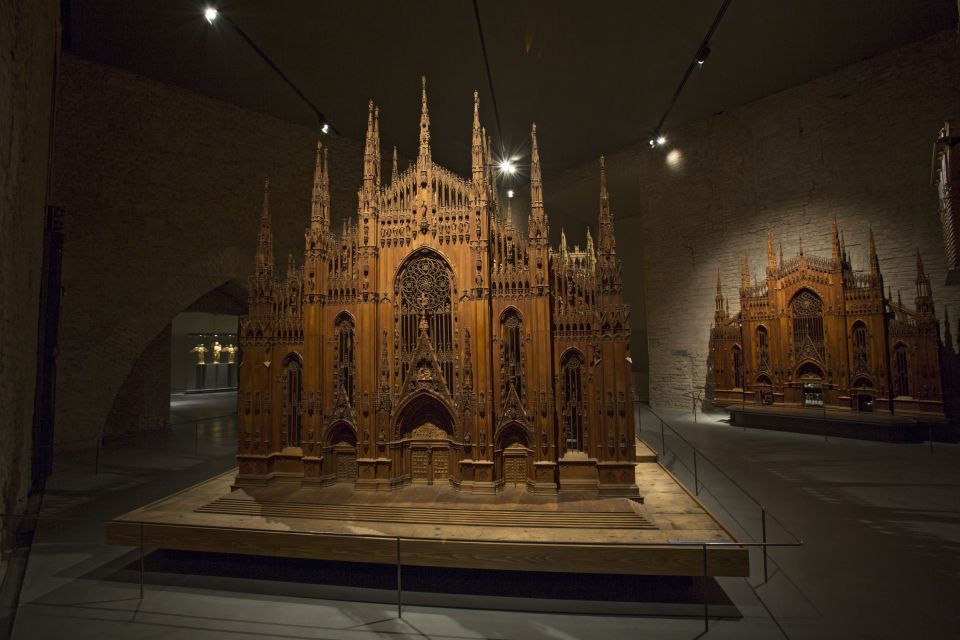
After you’ve spent time in the cathedral and looked down below, the Duomo Museum adds the “how” and “why.” This is where you can trace every step of the cathedral’s construction through collections designed to explain the ongoing project.
The museum includes sculptures, stained glass windows, wooden models, and tapestries. You’ll also connect the story to the Veneranda Fabbrica del Duomo, the long-running institution responsible for conservation and development of this cultural patrimony. The key idea is that the Duomo isn’t treated like a finished object. It’s maintained and improved as technology, materials, and needs change.
If you like architectural details, the museum is a strong match. Even if you don’t, it still helps you understand what you’re seeing inside the cathedral, because it explains how design decisions and restoration efforts shaped the final result.
If you want even more context, consider adding an audioguide or a guided explanation on site. The museum’s content works better when you have a bit of help translating the visuals into a narrative.
Scurolo di San Carlo: The Included Stop People Don’t Plan For
This ticket includes Scurolo di San Carlo, which means your day doesn’t have to be only “main cathedral” plus “museum.” This included stop adds variety and another layer of religious art inside the complex.
Why does it matter? Because it breaks up the experience and keeps you from spending your whole visit staring at the same type of detail. It also gives you a chance to see how Milanese devotion is represented through different kinds of sacred spaces within the larger cathedral setting.
If you’re short on time, don’t assume Scurolo di San Carlo is optional. Since your ticket includes it, it’s usually a better use of time to include it than to rush directly to the terrace ticket (which, remember, is separate).
Wednesday Closures and How to Plan Your Two-Day Window
The schedule is the part that can surprise people. The Duomo Museum is closed on Wednesdays, and the Church of San Gottardo in Corte is also closed on Wednesdays. If your visit lands on a Wednesday, your best move is to treat that day as cathedral-focused and archaeological-focused, then aim the museum for another day.
You also have a hard timing boundary: last entry is 5:50 PM for all sites. That’s not a gentle suggestion, it’s a cutoff that shapes your choices. If you’re traveling in Milan the same day, be careful about stacking too many activities and arriving late.
Because each area can only be visited once, your plan should be order-based, not wander-based. A smart approach is:
- One day for the cathedral plus the archaeological area under it.
- Another day for the Duomo Museum (and Scurolo di San Carlo as needed).
That way you avoid stress if you hit a crowd or spend extra time where something really grabs you.
Price and Value: Paying $22 for More Than a Waiting Line
At $22 per person, the ticket isn’t expensive, but it isn’t random either. The value comes from bundling: cathedral entry, museum entry, the archaeological area, and access to Scurolo di San Carlo.
If you were buying each item separately, you’d spend more time negotiating separate entrances and separate ticket types. Here, you’re essentially buying a smoother flow across the Duomo complex.
Two extra value notes based on how these tickets feel in real life:
- It helps even when you book close to the visit date, because you can still gain access as long as you show up during valid times.
- The museum is genuinely worth setting aside time for. If you rush it, you may end up thinking you missed the point.
This ticket is also a good fit for planning when you’re not sure exactly how long you’ll want to stay inside the cathedral. You can use the two-day validity to adjust your pacing.
The Terrace Question: What’s Included and What Requires a Separate Ticket
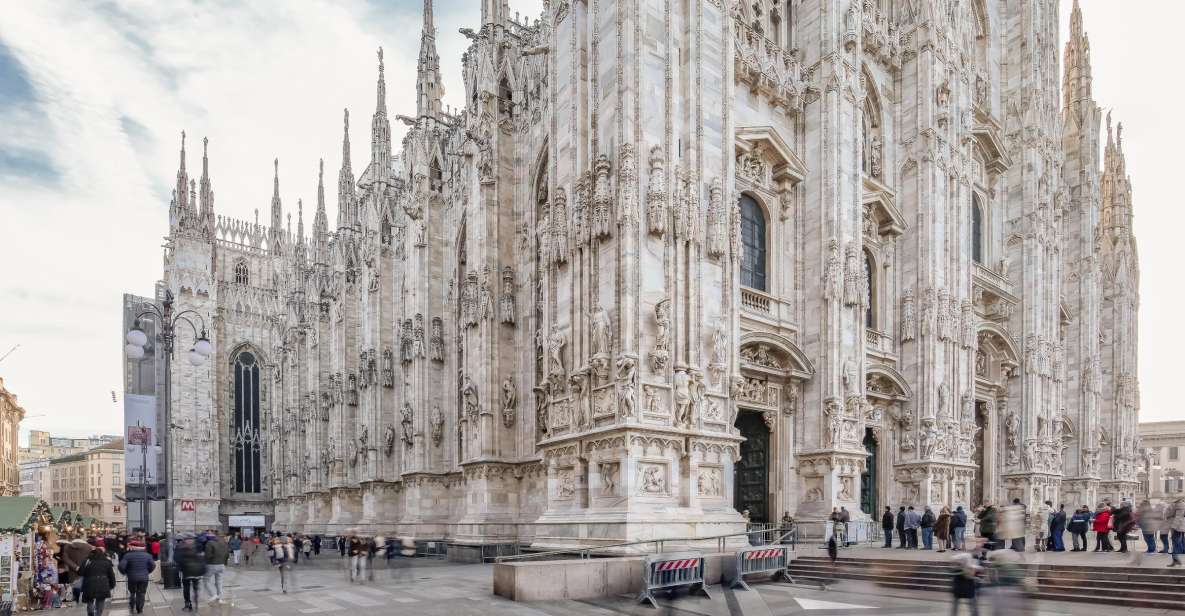
It’s easy to assume “Duomo ticket” means rooftop views. In fact, access to the terrace is not included. That means if roof or skyline views are your priority, you’ll need to add that separately.
Some people also plan around the idea of a roof experience, then feel disappointed when they realize the ticket only covers the cathedral, archaeological area, museum, and Scurolo di San Carlo. You can prevent that by deciding upfront whether rooftop views are worth extra time and money for your specific trip.
Also, check timing for terrace access separately, because terrace tickets can follow different rules than the cathedral interior.
Dress Code, Security Lines, and Rules That Slow You Down
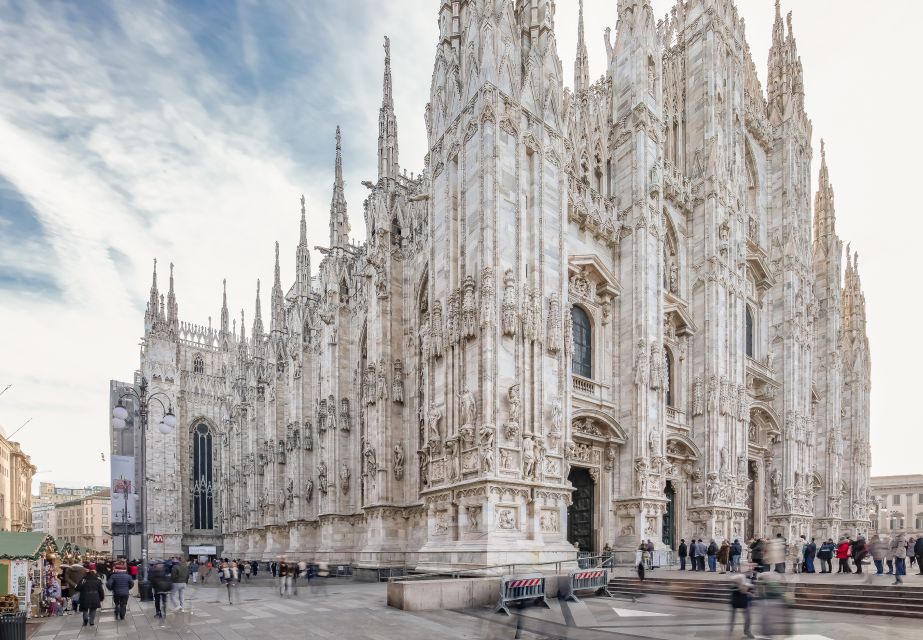
You need the right outfit at the start. A dress code applies to the cathedral and selected worship areas: knees and shoulders must be covered for both men and women. That means no shorts and no sleeveless shirts. Even if you’re thinking practical thoughts like it’s warm out, Milan will still enforce the rule.
Plan around security screening. You’ll go through checks at entry, and there are also restrictions:
- No food and drinks
- No luggage or large bags
- No drones
- No pets (assistance dogs allowed)
- No weapons or sharp objects
- No glass objects
- No costumes
- No see-through clothing
Also bring a passport or ID card, since that’s required to enter.
If you want your visit to feel smooth, wear something easy to adjust to the dress code. Then you can focus on the cathedral instead of dealing with last-minute shopping or awkward detours.
Crowds: How to Have a Good Visit Anyway
Yes, the Duomo can be crowded. That’s part of why the skip-the-ticket-line value matters, but it doesn’t remove the fact that you’re visiting one of the most famous churches in Europe.
Your best crowd strategy is simple: don’t try to do everything at maximum speed. Pick a route and commit. Spend extra time where you feel your attention slow down, and move quickly when you’re doing “coverage mode.”
It also helps to plan your entry for earlier in the day when possible. The 5:50 PM last-entry limit means late afternoons can feel compressed, especially if you’re moving between multiple sites.
And if you like understanding what you’re looking at, consider audio or a guided approach for the museum, where objects and models need a little translation.
Who This Works Best For (and Who Might Skip the Museum)
This ticket is a strong match if you:
- Love architecture and want the construction story, not just photos.
- Want something more than cathedral interior alone.
- Care about seeing older remains connected to the Duomo’s site.
It may be less perfect if you’re:
- Only interested in a quick stop for cathedral photos.
- Visiting with very limited time and no plan to manage the museum timing.
- Hoping the terrace is part of the ticket (it isn’t).
Still, even if you’re not a museum person, the Duomo Museum tends to be worthwhile because it explains why the cathedral looks the way it does and how it keeps evolving through conservation.
Should You Book This Duomo Cathedral, Archaeological Area, and Museum Ticket?
Book it if you want the best value and the most complete story in the same ticket. At $22, you’re paying for access to multiple parts of a famous complex, and that saves time and decision-making. It’s also ideal if you’re the kind of traveler who likes to connect what you see (cathedral interior and decorations) to how it came to be (construction and repairs shown in the museum).
Skip or rethink it only if your schedule makes Wednesday the only feasible day, or if you care more about a terrace moment than about the museum and archaeology. In that case, you can still visit, but you’ll want a separate terrace plan and you may want to adjust the rest of your day around museum closures.
If you’re coming to Milan for a memorable landmark day, this ticket is one of the cleanest ways to do it without wasting hours piecing things together.
FAQ
What’s included in the Milan Cathedral ticket?
The ticket includes entrance to Milan Cathedral, the Duomo Museum, the Archaeological Area, and Scurolo di San Carlo.
Is terrace access included?
No. Access to the terrace is not included and requires a separate ticket.
Where do I scan my voucher for entry to the Duomo?
For the Duomo, go straight to the security check in front of the attraction and scan the barcode on your voucher.
Where is the Duomo Museum entrance?
Duomo Museum access is at Piazza del Duomo 12.
Is the museum open every day?
No. The Duomo Museum is closed on Wednesdays. The Church of San Gottardo in Corte is also closed on Wednesdays.
What time is the last entry?
The last entry for all sites is at 5:50 PM.