REVIEW · SFORZA CASTLE
Milan: Sforza Castle Guided Tour
Book on GetYourGuide →Operated by Keys Of Italy / Milan and Venice · Bookable on GetYourGuide
Sforza Castle rewards good guidance. This small-group guided tour focuses on the castle’s big changes over time, from defense fortress to today’s museum home, and I like that it includes museum entry plus a radio-guided system so you don’t miss details in the larger rooms. The one thing to plan around: there’s a moderate amount of walking, so if you have back issues, this may not be the best fit.
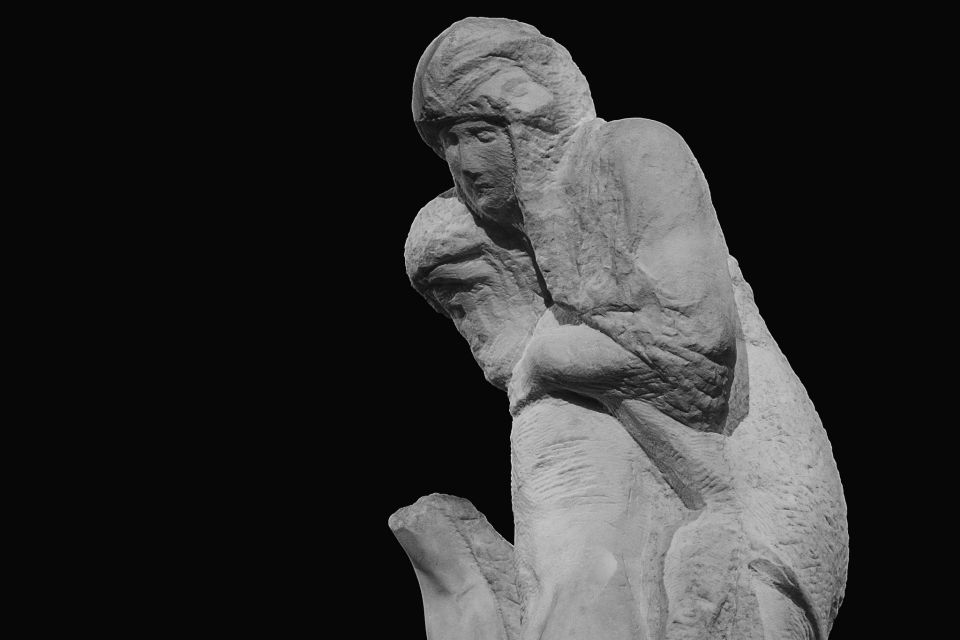
You’ll also get a very specific payoff at the end: a chance to see Michelangelo’s Pietà Rondanini, not just from afar, but with context for why it’s tied to the castle’s cultural role.
In This Review
- Key takeaways before you go
- Meeting at Piazza Castello: the easiest starting setup
- Inside Sforza Castle: fortress rooms that still make sense
- Visconti and Sforza: understanding why the castle kept changing
- Luca Beltrami’s restoration: what early-1900s choices shaped
- The Pietà Rondanini stop: a specific end point with real meaning
- How the radio-guided system helps you actually hear the details
- What I’d watch for during the walk-through
- Price and value: is $158.60 worth it?
- Language options and guide quality: Pier and clear storytelling
- Who should book this Sforza Castle guided tour?
- Should you book this Sforza Castle guided tour?
- FAQ
- Where does the tour start and end?
- How long is the Sforza Castle guided tour?
- What is included in the price?
- Is ticket entry included, or do I need to buy tickets separately?
- How big is the group?
- What languages are available for the guide?
- What should I bring?
- Is this tour suitable for people with back problems?
- Is there free cancellation?
Key takeaways before you go
- Small group (max 9): easier questions, less waiting, better attention to stone-and-story details.
- Radio-guided system: you can hear the guide clearly without crowding.
- Focus on transformations: defense fortress, military spaces, private quarters, then museums and cultural archives.
- Visconti and Sforza context: the big political shift is part of how the building evolved.
- Luca Beltrami restoration: the early-1900s work is explained as part of what you see today.
- Pietà Rondanini stop: the tour ends with a key art moment tied to Michelangelo.
Meeting at Piazza Castello: the easiest starting setup
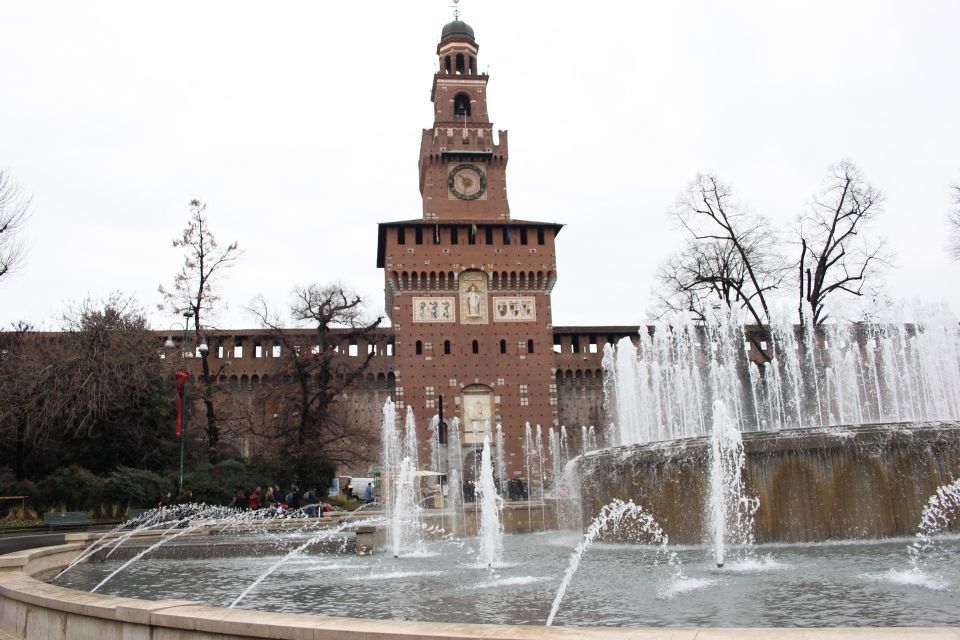
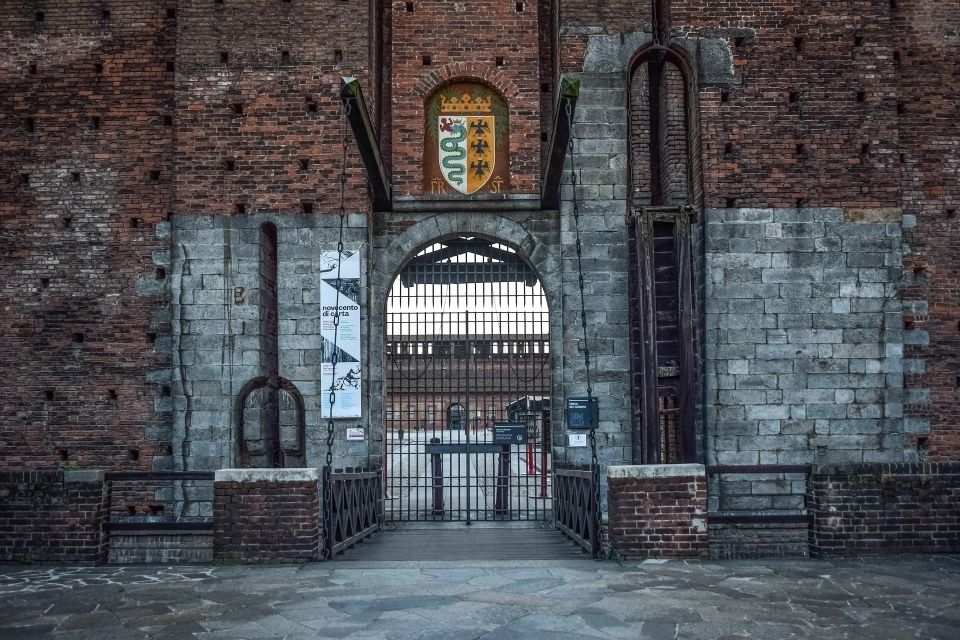
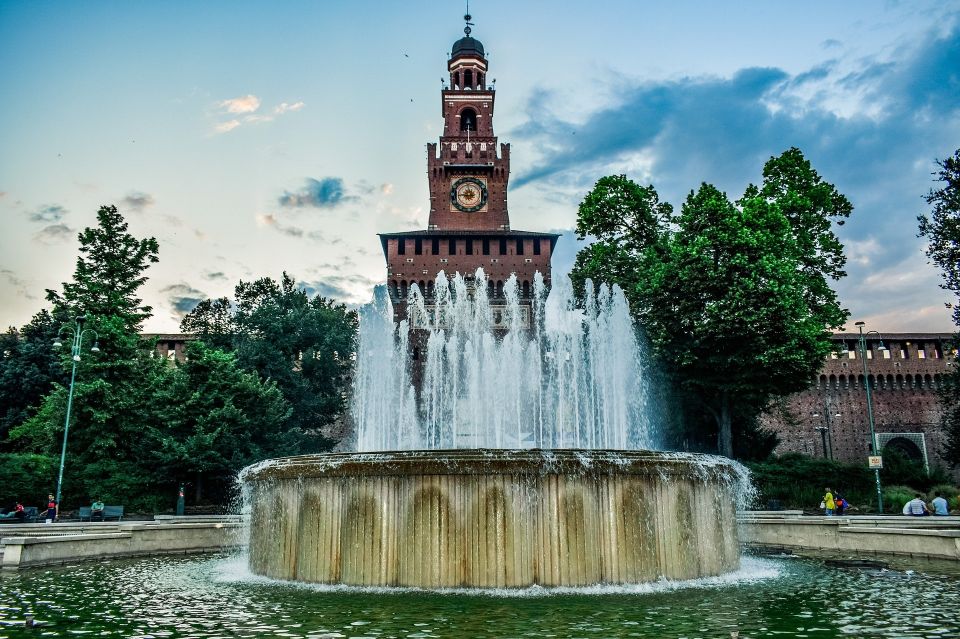
The tour begins at Piazza Castello, in front of the main entrance at the fountain. That’s a helpful detail because it means you’re meeting in a central, obvious location rather than hunting for a hidden side door.
Also, since it loops back and ends back at the same meeting point, you can keep your Milan day plan simple afterward. In a city where time can vanish fast, that kind of clean start-and-finish matters.
With limited group size (up to 9 participants), you’re not stuck in a moving pack. You can actually look at the architecture while still following the guide’s pace. And because this is a guided visit with entry to the Sforza Castle Museum included, you don’t spend your energy juggling tickets and timing.
You can also read our reviews of more tours and experiences in Sforza Castle.

Inside Sforza Castle: fortress rooms that still make sense
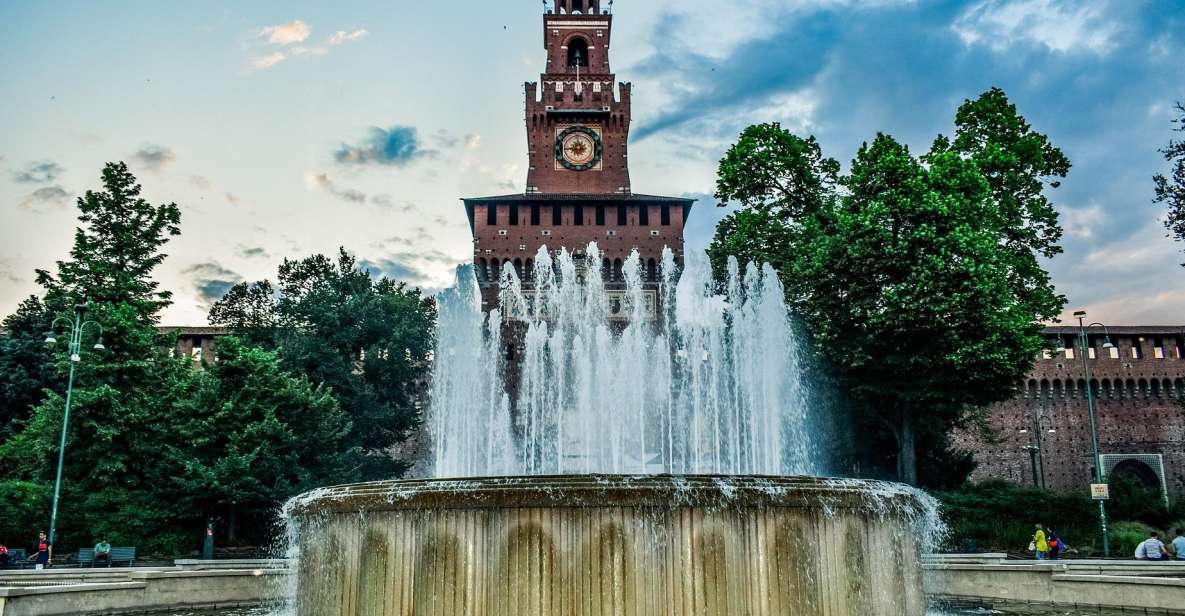
Sforza Castle isn’t just one building you tour and forget. It’s a layered complex, and this guided format helps you read the place instead of just walking through it.
You’ll move through the castle’s story using major categories of space:
- Defense fortress elements: you get a practical sense of what made the castle work as a stronghold.
- Military barracks areas: the purpose of certain rooms becomes clearer when the guide frames them as functional spaces, not just scenic interiors.
- Private quarters: you’ll see how the castle wasn’t only about power and protection—it was also about living and governance.
- Cultural institutions and museums today: you’ll connect the past uses to the present reality, where art and collections share space with older walls.
This is where the guide earns their keep. If you’ve ever toured a historic site solo, you know the problem: you can see rooms, but you might not know what to pay attention to. In this tour, you’re guided toward the meaningful stuff—the shifts in function over time—so the castle feels like one evolving organism rather than random chambers.
Visconti and Sforza: understanding why the castle kept changing
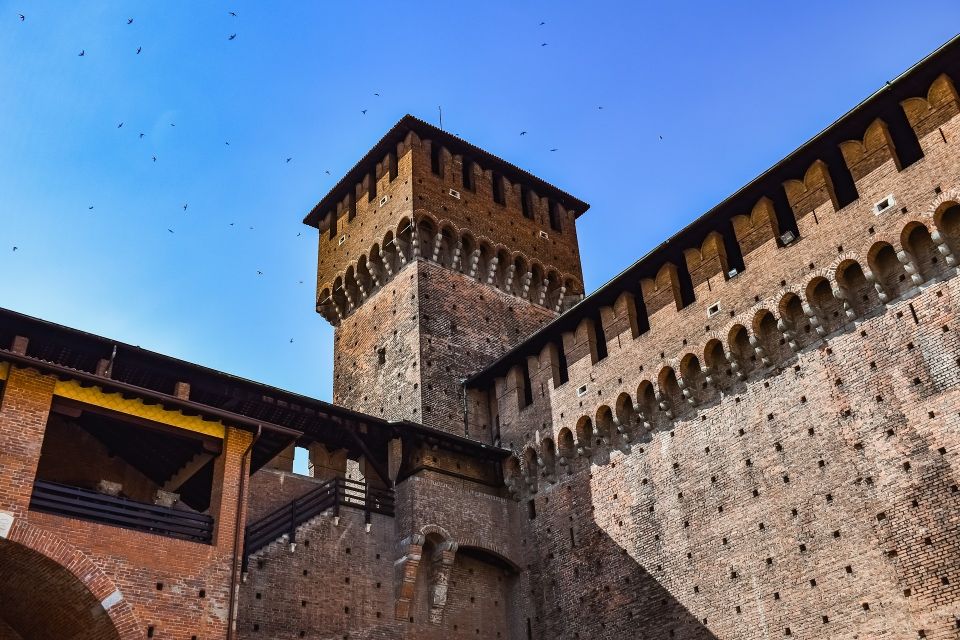
One of the strongest parts of the tour is the way it places the castle under the Visconti and Sforza families. That matters because the building’s identity shifts with political power. When rulers change, priorities change too—who needs what, how the castle should function, and what kind of spaces get emphasized.
Rather than treating the timeline like a history lecture, you’ll hear how the structure was transformed across centuries. That approach helps you look at features on-site with context: you’re not just admiring old stone, you’re understanding why it became important.
If you like architecture that has a story—rather than only a façade—this is a good match. Milan has plenty of sights, but Sforza Castle works best when someone connects it to the people and decisions behind it.
Luca Beltrami’s restoration: what early-1900s choices shaped
Another key part of what you’ll hear is the last extraordinary restoration of the castle, carried out by architect Luca Beltrami at the beginning of the twentieth century.
This is more than trivia. Restoration affects what you see. When you understand what Beltrami’s work was trying to preserve or clarify, the castle’s current look starts to make more sense—especially if you’ve noticed that some architectural details can feel both historic and carefully re-presented.
Guides who can explain restoration well tend to make the whole visit click. Instead of wondering why a part looks a certain way, you can understand how conservation choices shaped the experience. That’s a big part of why this tour is worth paying for rather than doing a self-guided walk.
The Pietà Rondanini stop: a specific end point with real meaning
The highlight that many people come for is a very specific moment: at the end of the tour, you’ll have the chance to see Michelangelo’s Pietà Rondanini.
Why this matters in the context of Sforza Castle: the castle today isn’t only a fortress. It’s also a home for museums, archives, and libraries—places where culture is housed inside a historic shell. Ending with a major sculpture reinforces the castle’s modern purpose, while still linking it to its older role as an institution tied to power and patronage.
This stop is also a smart design choice for a 2-hour tour. It gives the visit a clear finish: you’re not wandering without a payoff. You get a memorable art moment, then you’re done—back at the starting point.
How the radio-guided system helps you actually hear the details
This tour includes a radio-guided system, which sounds like a small add-on until you’re standing in a large museum space or moving through rooms where sound can bounce around.
In practice, radios make the tour feel smoother:
- You can listen without standing so close you block someone else’s view.
- The guide can keep the pace, and you can still follow the key ideas.
- You’re less likely to miss explanations while you’re looking at walls and stairways.
It’s also one of the reasons the group being capped at 9 participants works so well. Smaller groups already help, and radios make the difference even bigger.
What I’d watch for during the walk-through
Even with a great guide, you’ll get more from the visit if you set yourself up for success. Here’s what to prioritize while you’re on the move.
First: comfortable shoes. You’ll have a moderate amount of walking, and you’ll want your feet to feel fine when the tour shifts between exterior-feeling views and museum interiors.
Second: water. Two hours doesn’t sound long, but Milan in warm weather can drain you. Bringing water keeps your energy steady, especially if you plan to continue sightseeing afterward.
Third: if you get nervous about hearing everything, don’t. The whole point of the radio system is that you can listen while you look.
Price and value: is $158.60 worth it?
At $158.60 per person for about 2 hours, this isn’t a budget activity. But value here comes from multiple inclusions that reduce friction:
- Guided tour of the castle spaces, not just museum entry
- Entry to the Sforza Castle Museum (so you’re not paying extra for admission)
- Skip the ticket line, which can save real time
- Radio-guided system, which improves the quality of the experience
- Small group size (max 9), which often means more attention and less waiting
So the question isn’t only, Is it expensive? It’s, Will you get enough benefit from a guided reading of the castle versus doing it on your own?
If you care about architecture plus story—defense, living spaces, political families, restoration choices—this tour is the kind that turns a famous monument into something you understand. If you’re the type who likes quick photo stops and minimal walking through interiors, you might prefer a cheaper self-guided approach.
This tour also carries strong social proof: it’s rated 4.8, based on 18 reviews, and that consistency matters when you’re spending this level of money.
Language options and guide quality: Pier and clear storytelling
The tour runs with live guidance in English, German, Italian, French, Spanish, Russian. That’s useful if you’re traveling with someone whose comfort level depends on language.
One detail that stands out is the guide experience. In the feedback I’m using to shape expectations, Pier gets high marks for being very interesting, with impeccable French and a strong ability to connect history and architecture. Even if you don’t get Pier, that style—clear connections between what you see and why it exists—is what you should look for in a top-quality castle guide.
Who should book this Sforza Castle guided tour?
This is a great choice if you:
- want an efficient 2-hour way to understand a major Milan monument
- enjoy architecture and want help “reading” spaces, not just passing through them
- want the Pietà Rondanini experience with context
- prefer smaller groups and better audio support from a radio system
It’s likely not ideal if:
- you have back problems, since the tour involves a moderate amount of walking
- you’re looking for only a quick look-and-go museum visit without explanations
If your Milan plan is packed, this tour also works well because it’s a tidy block of time with a clear starting point and return to the same place.
Should you book this Sforza Castle guided tour?
Yes, if you want to get more out of the castle than you’d get on your own. The mix of guided explanation, museum entry, skip-the-line access, and the Pietà Rondanini payoff makes it feel like a structured experience rather than a loose stroll.
Skip it or rethink it if you want a low-cost, slow, completely flexible visit—or if walking a moderate amount could be an issue for your body.
If you’re visiting Milan and Sforza Castle is on your list, this is one of the more sensible ways to do it: you arrive at Piazza Castello, follow a tight route through the castle’s changing roles, then finish with one of Michelangelo’s best-known works.
FAQ
Where does the tour start and end?
The meeting point is Piazza Castello, in front of the main entrance at the fountain. The activity ends back at the meeting point.
How long is the Sforza Castle guided tour?
The tour duration is 2 hours. Starting times depend on availability.
What is included in the price?
The tour includes the guided tour, entry to the Sforza Castle Museum, a tour guide, and a radio-guided system.
Is ticket entry included, or do I need to buy tickets separately?
Entry to the Sforza Castle Museum is included, and the tour also notes skip the ticket line.
How big is the group?
This is a small group limited to 9 participants.
What languages are available for the guide?
The live tour guide is available in English, German, Italian, French, Spanish, and Russian.
What should I bring?
Bring comfortable shoes and water.
Is this tour suitable for people with back problems?
It is not recommended for those with back problems due to a moderate amount of walking.
Is there free cancellation?
Yes. You can cancel up to 24 hours in advance for a full refund.